Floor Construction: The Path to Long-Lasting Durability and High Comfort

Floor Construction: The Path to Long-Lasting Durability and High Comfort
A floor is more than just the surface you walk on. It’s a key element of your home’s comfort, style, and functionality. Whether you’re building new, remodeling, or simply curious about what lies beneath your flooring, understanding floor construction is essential. A properly built floor not only feels comfortable underfoot but also ensures long-term durability and energy efficiency. Here’s a closer look at how a floor is typically constructed—and what to consider for the best results.
The Layers Beneath the Surface
Modern floors are made up of several layers, each serving a specific purpose. The exact structure depends on the type of flooring—hardwood, tile, vinyl, or carpet—and on whether it’s installed over a concrete slab, a wood subfloor, or a basement. In general, a floor consists of the following layers:
- Subfloor or Structural Base – This is the foundation of the floor, providing strength and stability. It’s often made of concrete in slab-on-grade homes or plywood/OSB panels over joists in wood-framed houses.
- Insulation – Helps maintain indoor temperature by keeping heat in during winter and out during summer. Proper insulation improves both comfort and energy efficiency.
- Vapor Barrier or Moisture Barrier – Prevents moisture from seeping up from the ground or basement, protecting the flooring materials from damage.
- Underlayment – Smooths out minor imperfections, reduces noise, and adds cushioning. The type of underlayment depends on the flooring material.
- Floor Covering – The visible surface layer, which can be hardwood, laminate, vinyl, tile, or carpet.
When these layers work together, the result is a floor that feels solid, comfortable, and built to last.
Moisture – The Hidden Enemy
Moisture is one of the biggest threats to a floor’s longevity. Even small amounts can lead to mold, warping, or discoloration over time. That’s why moisture control is critical, especially in areas with high humidity or where floors are installed over concrete.
In homes with slab foundations, a high-quality vapor barrier should always be placed between the concrete and the insulation or underlayment. In older homes, where moisture can rise from the ground, additional drainage or sealing may be necessary. Investing in proper moisture protection pays off in fewer repairs and a healthier indoor environment.
Radiant Floor Heating – Comfort and Efficiency
Radiant floor heating has become increasingly popular in U.S. homes, offering even heat distribution and eliminating the need for bulky radiators or vents. However, it requires careful planning during construction.
Hydronic (water-based) systems are typically embedded in a concrete slab, while electric systems can be installed closer to the surface. Adequate insulation beneath the heating system is essential to prevent heat loss downward. The flooring material above must also be compatible with temperature changes—engineered wood, tile, and certain types of vinyl are good choices.
Choosing the Right Floor Covering
The top layer is what you see and feel every day, but it should be chosen with both aesthetics and performance in mind. Each material has its strengths:
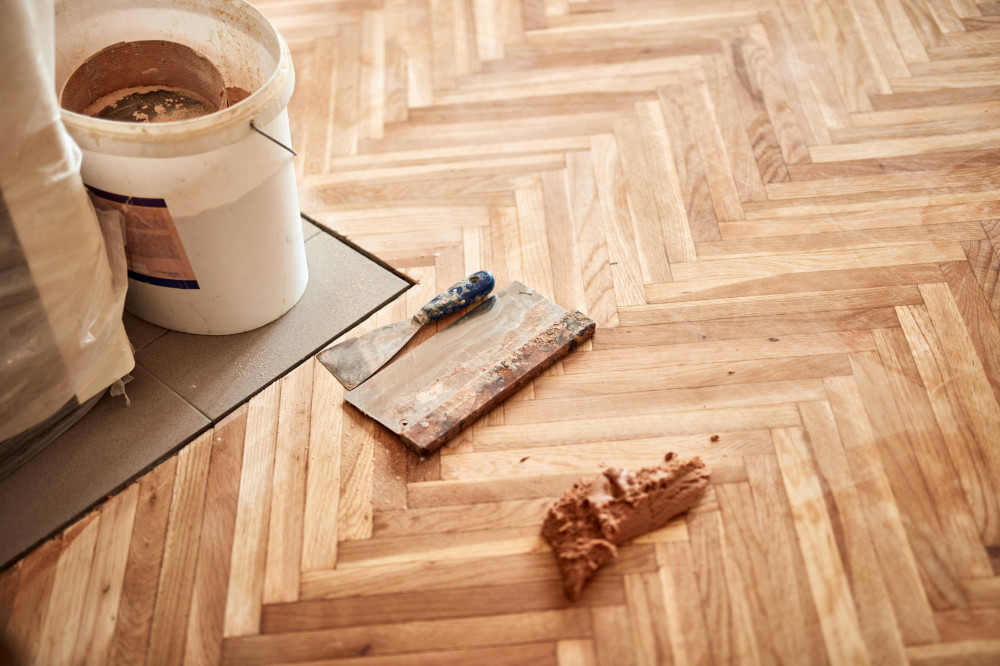
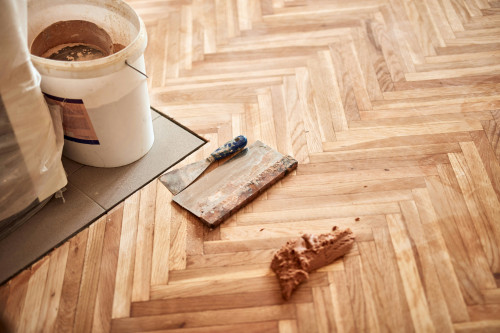
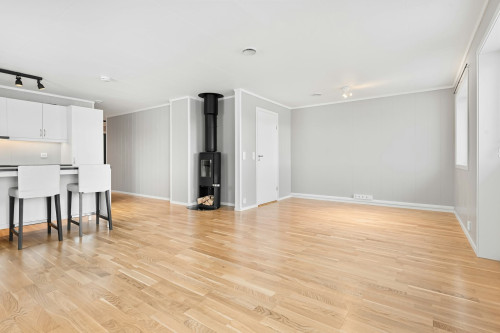
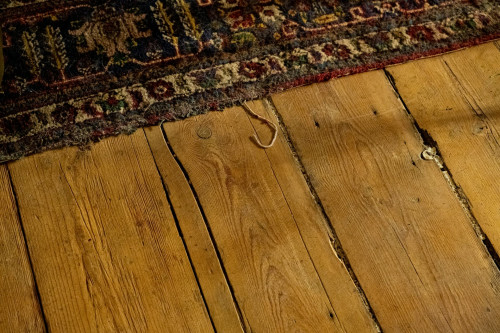
- Hardwood offers timeless beauty and warmth but requires maintenance and is sensitive to moisture.
- Laminate is durable, affordable, and easy to clean, though it can feel harder underfoot.
- Vinyl and Luxury Vinyl Plank (LVP) are resilient, water-resistant, and ideal for high-traffic areas.
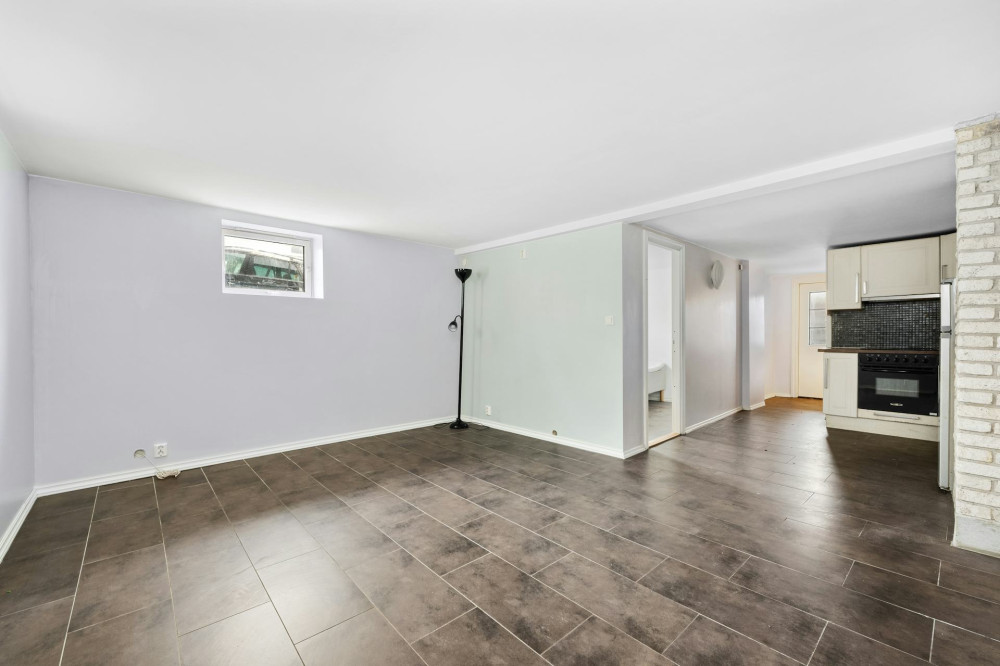
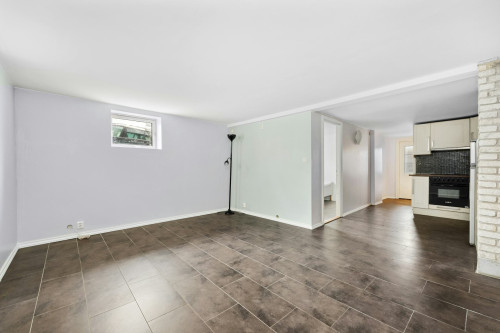
- Tile is perfect for bathrooms, kitchens, and entryways, where water resistance and durability are key.
- Carpet adds softness and warmth, especially in bedrooms and living areas.
No matter the choice, ensure the subfloor is level and stable—an uneven base can cause even the best flooring to fail prematurely.
Sound and Comfort
A great floor doesn’t just look good—it also affects how a room sounds and feels. Footstep noise can be a problem, especially in multi-story homes or apartments. Acoustic underlayments or floating floor systems can significantly reduce sound transmission.
Comfort also depends on temperature and resilience. A slightly cushioned floor that feels warm underfoot is more pleasant than a cold, rigid surface. Materials like cork or padded vinyl can enhance comfort, while radiant heating adds a luxurious touch.
Læs også:
Maintenance and Longevity
With proper care, a well-built floor can last for decades. Regular cleaning, prompt repair of minor damage, and appropriate maintenance treatments extend its life. Hardwood floors may need refinishing every few years, while tile and vinyl require only routine cleaning.
Protect your floors from unnecessary wear by using felt pads under furniture and avoiding dragging heavy objects. Small habits like these can make a big difference in preserving your floor’s appearance and durability.
A Solid Foundation for Everyday Living
A well-constructed floor is something you rarely think about—and that’s exactly the point. When built correctly, it quietly supports your daily life, providing comfort, stability, and energy efficiency. Whether you choose wood, tile, or vinyl, the key to a great floor lies in understanding its layers and building it right from the ground up. That’s the path to a floor that feels good, looks great, and stands the test of time.
Læs også: