Realistic Home Renovation Timeline – How to Avoid Delays


Realistic Home Renovation Timeline – How to Avoid Delays
A home renovation can completely transform your living space—but it can also become a major source of stress if the schedule starts slipping. Many homeowners underestimate how long it takes to coordinate contractors, get materials delivered, and handle unexpected issues. A realistic timeline is the key to a successful project. Here’s how to plan your renovation so you can avoid delays and keep everything on track.
Start with a Detailed Plan
Before you swing a hammer, take time to map out the entire project. What needs to be done, in what order, and by whom? The more detailed your plan is from the start, the fewer surprises you’ll face later.
List every task—from demolition and electrical work to painting and flooring. Break the project into phases and estimate how long each one will take. Don’t forget to factor in material lead times and any required permits from your local building department, especially if you’re making structural changes or altering plumbing or electrical systems.
A smart move is to add a 10–20% time buffer to your schedule. That cushion gives you room to handle unexpected issues without derailing the entire project.
Læs også:



Align Your Budget with Your Timeline
Your schedule and your budget go hand in hand. If you run out of funds mid-project, work can stall for weeks. Make sure your budget covers materials, labor, and a contingency for unforeseen expenses.
If you plan to do some of the work yourself, be realistic about how much time you can commit. DIY projects often take longer than expected, especially if you’re working evenings or weekends. Build that into your timeline.
It’s also wise to get multiple quotes from contractors and include clear deadlines in your contracts. This helps set expectations and keeps everyone accountable.
Coordinate Contractors in the Right Order
One of the biggest causes of renovation delays is poor coordination between trades. If the drywall isn’t finished, the painter can’t start—and the whole project grinds to a halt.
Create a clear sequence for when each trade should be on site. A typical order might look like this:
- Demolition and site prep
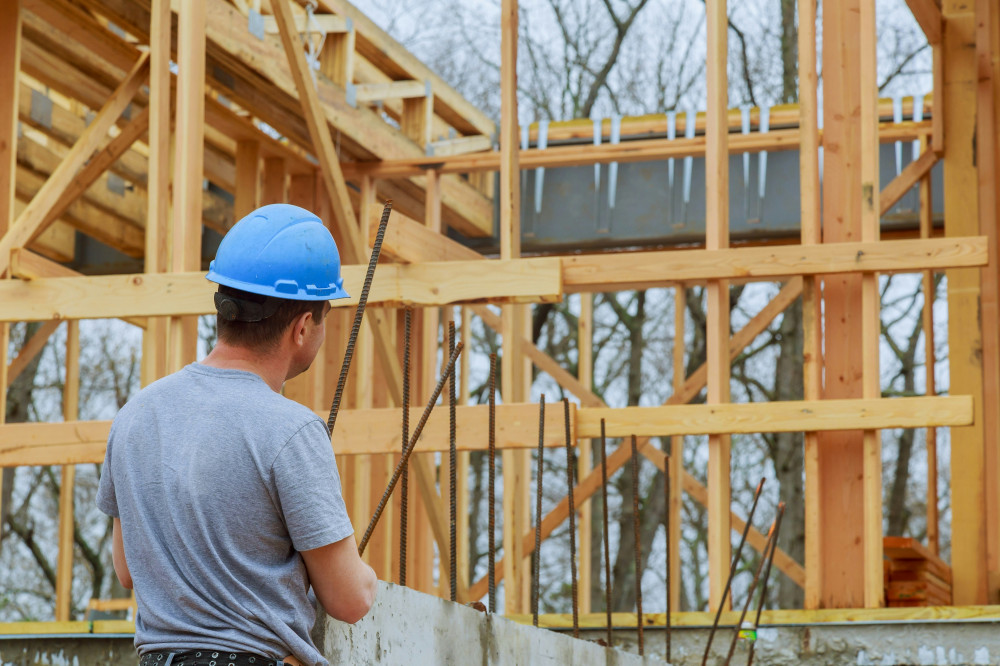
- Framing and structural work
- Plumbing, electrical, and HVAC rough-ins
- Insulation and drywall
- Painting, flooring, and finishing touches
Allow for some overlap between phases, but avoid crowding too many trades into the same space at once—it leads to mistakes and frustration.
Be Realistic About Materials and Lead Times
Many projects get delayed because materials don’t arrive on time. Order early and confirm delivery dates before finalizing your schedule. Custom items like windows, cabinets, or tile can take several weeks—or even months—to arrive.
If possible, arrange a temporary storage area for materials so they’re ready when your contractors need them. Having everything on hand minimizes downtime and keeps the project moving smoothly.
Expect the Unexpected
Even the best-planned renovation can hit snags—hidden water damage, uneven walls, or delayed shipments. That’s normal. The key is to have both time and budget buffers so you can handle surprises without panic.
Hold regular check-ins with your contractors to review progress and adjust the plan as needed. Flexibility is your best tool for keeping the project on track when reality doesn’t match the blueprint.
Finishing Strong and Quality Checks
As the project nears completion, it’s tempting to rush through the final details. But this is when many mistakes happen. Set aside time for a thorough walkthrough with your contractors. Test everything, note any issues, and make sure they’re resolved before making the final payment.
A realistic timeline isn’t just about finishing on time—it’s about ensuring the quality and longevity of your renovation.
A Solid Plan Brings Peace of Mind
Home renovation takes patience, but with a well-thought-out schedule, you can avoid the most common pitfalls. Plan early, be realistic about time and money, and monitor progress regularly. With the right approach, your renovation won’t just be completed—it’ll be a rewarding experience that adds lasting value to your home.
Læs også: