Green Home Financing – Balancing Environmental Responsibility and Economic Sense


Green Home Financing – Balancing Environmental Responsibility and Economic Sense
Green home financing is gaining traction across the United States as homeowners, lenders, and policymakers look for ways to align financial decisions with environmental responsibility. The idea is simple: make it easier and more affordable for Americans to invest in energy-efficient and sustainable home improvements. But what exactly does green home financing mean, and how can it benefit you as a homeowner?
What Is Green Home Financing?
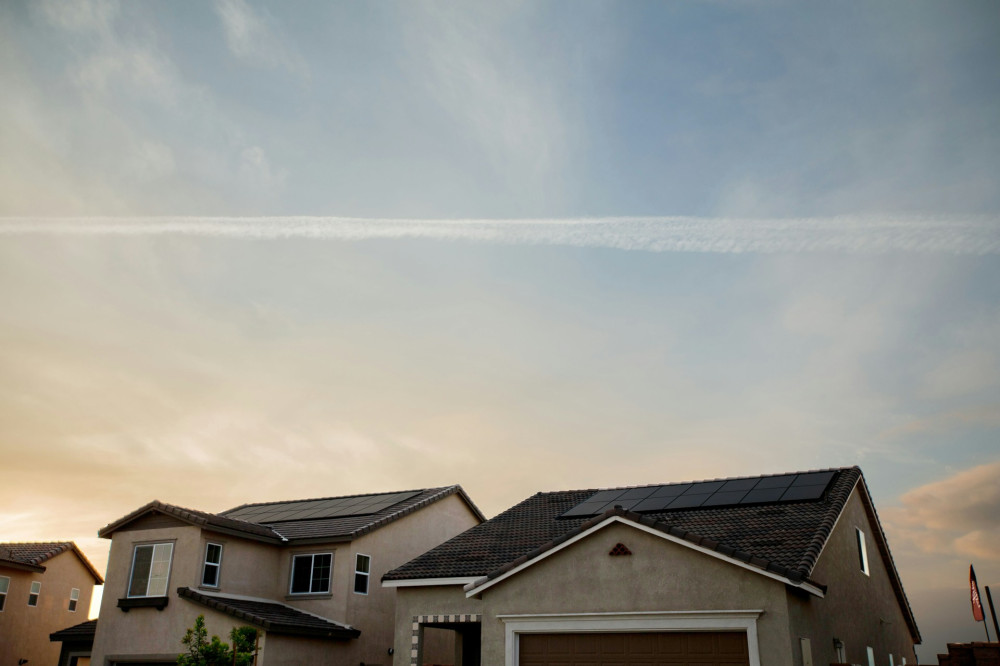
Green home financing refers to loans, mortgage products, and incentive programs designed to support energy-efficient upgrades and environmentally friendly investments in residential properties. These can include solar panels, heat pumps, improved insulation, energy-efficient windows, or water-saving systems.
Many U.S. banks, credit unions, and mortgage lenders now offer “green loans” or “energy-efficient mortgages” (EEMs). These products often feature lower interest rates or better terms if the home meets certain energy standards—typically verified through programs like ENERGY STAR® certification or a Home Energy Rating System (HERS) index score. The goal is to reward investments that reduce energy consumption and carbon emissions.
Why Choose a Green Financing Option?
Opting for a green financing model can bring both financial and environmental benefits.
- Lower interest rates and better terms: Some lenders offer reduced rates for energy-efficient homes, viewing them as lower-risk investments due to their long-term value and lower operating costs.
- Reduced utility bills: Energy upgrades can significantly cut heating, cooling, and electricity expenses—savings that add up month after month.
- Increased property value: Homes with sustainable features often sell faster and at higher prices, as buyers increasingly prioritize energy efficiency.
- Positive environmental impact: By investing in green improvements, you help reduce greenhouse gas emissions and support the transition to cleaner energy sources.
Læs også:


How to Finance Your Green Home Projects
There are several ways to fund sustainable home improvements, depending on your project size and financial situation.
- Energy-Efficient Mortgages (EEMs): These federally recognized loans—available through programs like FHA, VA, and conventional lenders—allow borrowers to finance energy upgrades as part of their home purchase or refinance.
- Green Home Improvement Loans: Many banks and credit unions offer personal loans specifically for eco-friendly projects such as solar installations, insulation upgrades, or efficient HVAC systems.
- Government Incentives and Rebates: Federal and state programs, including those supported by the Inflation Reduction Act, provide tax credits and rebates for renewable energy systems and energy-efficient improvements. Check resources like the Database of State Incentives for Renewables & Efficiency (DSIRE) for current opportunities.
- Home Equity Loans or HELOCs: If you have built up equity in your home, you can use it to finance larger sustainability projects while potentially benefiting from lower interest rates.
- Combination of Savings and Financing: Many homeowners choose to combine personal savings with a green loan to maintain flexibility and reduce overall borrowing costs.
What to Consider Before You Borrow
While green financing can be advantageous, it’s important to evaluate the full picture. A green loan is still a financial commitment, and the investment should make sense over time.
- Get an energy audit: A certified energy auditor can help you identify which improvements will deliver the greatest savings and environmental impact.
- Compare loan options: Review interest rates, fees, and qualification requirements to ensure the benefits outweigh the costs.
- Think long-term: Some upgrades may take years to pay off but can provide lasting value through lower bills, improved comfort, and a smaller carbon footprint.
The Future of Green Home Financing
As the U.S. moves toward stricter energy standards and greater climate accountability, green financing is expected to become a mainstream part of the housing market. Lenders are increasingly integrating sustainability into their credit assessments, and homeowners are recognizing that energy efficiency is not just a moral choice—it’s a smart financial one.
For many Americans, green home financing represents more than just a way to save money. It’s a way to invest in the future—creating homes that are comfortable, cost-effective, and environmentally responsible.
A Smart Investment for You and the Planet
At its core, green home financing is about finding balance between economic sense and environmental stewardship. It’s an investment that pays off in multiple ways: lower energy costs, higher property value, and a reduced ecological footprint.
By choosing sustainable financing options, you’re not only improving your home—you’re helping to build a cleaner, more resilient future, one household at a time.
Læs også: