How to Get Good Lighting in Rooms with Limited Natural Light

How to Get Good Lighting in Rooms with Limited Natural Light
Many homes have rooms where daylight struggles to reach—perhaps because the windows face north, are small, or are shaded by nearby buildings. But even in dim corners, you can create a bright and inviting atmosphere with the right combination of lighting, colors, and materials. Here’s a guide to achieving great lighting in rooms with limited natural light.
Start by Understanding the Room’s Light
Before changing your lighting setup, take time to observe how light moves through the room during the day. Even a space with little sunlight may have moments when natural light filters in beautifully. Use that knowledge to place furniture and lamps strategically.
- North-facing rooms tend to get cool, consistent light and benefit from warm-toned bulbs to feel cozy.
- Rooms with small windows often have dark corners—add multiple light sources at different heights to balance the space.
- Basements or windowless rooms rely entirely on artificial light, so choose bulbs that mimic daylight quality.
Læs også:

Layer Your Lighting
A well-lit room isn’t about one bright ceiling fixture—it’s about layering different types of light to create balance and mood.
- Ambient lighting – This is your general, overall light. Ceiling fixtures with frosted glass or recessed lights with warm white bulbs (around 2700–3000 Kelvin) work well.
- Task lighting – Add focused light where you need it most: at your desk, kitchen counter, or reading chair. Adjustable lamps with good color rendering are ideal.
- Accent lighting – Use small lamps, wall sconces, or LED strips to add depth and warmth. Dimmable bulbs let you adjust brightness to suit the time of day.
Combining these three layers creates a space that’s both functional and comfortable to spend time in.
Choose the Right Bulbs and Color Temperatures
Light bulbs vary widely in color temperature and color rendering. In rooms with little daylight, it’s important to choose bulbs that produce natural, flattering light.
- Look for a high color rendering index (CRI 90 or above) to make colors appear true and vibrant.
- Opt for warm white light (2700–3000 K) to create a cozy feel and offset the lack of sunlight.
- Consider smart bulbs that let you adjust color temperature—from cool white for focus to warm amber for relaxation.
Use Colors and Materials That Reflect Light
Colors and surfaces play a big role in how light behaves in a room. In darker spaces, choose materials that help bounce light around.
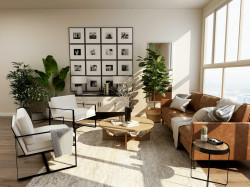
- Light-colored walls and ceilings reflect light and make the room feel larger.
- Matte finishes diffuse light evenly, while glossy ones can cause glare.
- Mirrors and glass surfaces can be placed strategically to direct light deeper into the room.
- Light textiles—curtains, rugs, and furniture in soft tones—add to an airy, open feel.
A good trick is to paint walls in a warm, light shade rather than pure white. It gives a softer, more natural look, especially under artificial light.
Bring in Plants—Even in Low Light
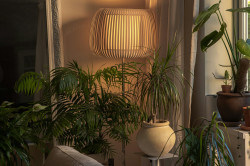
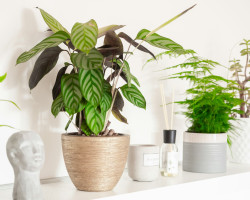
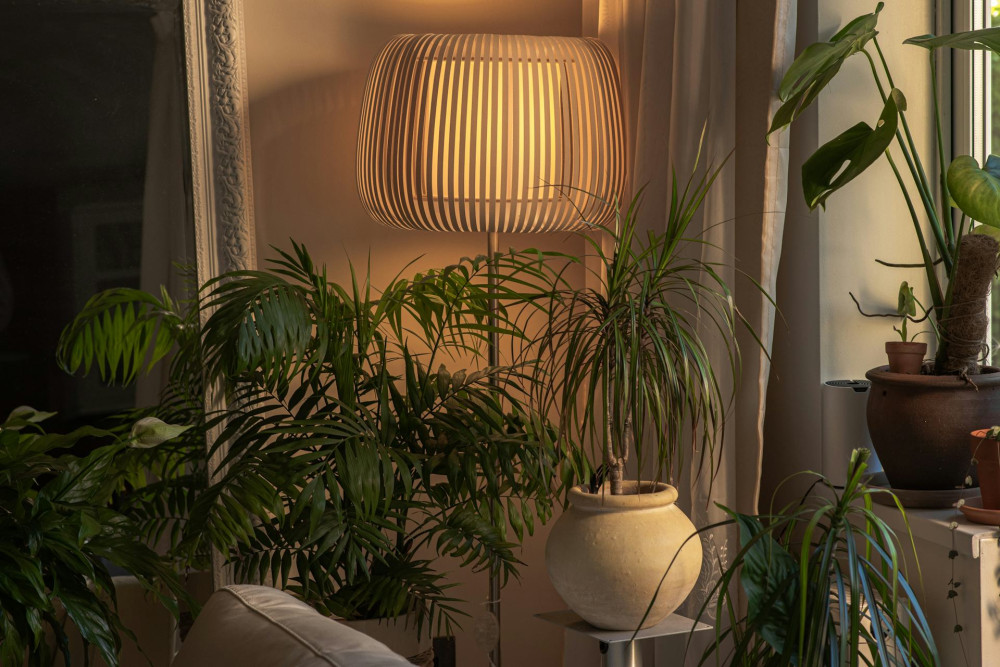
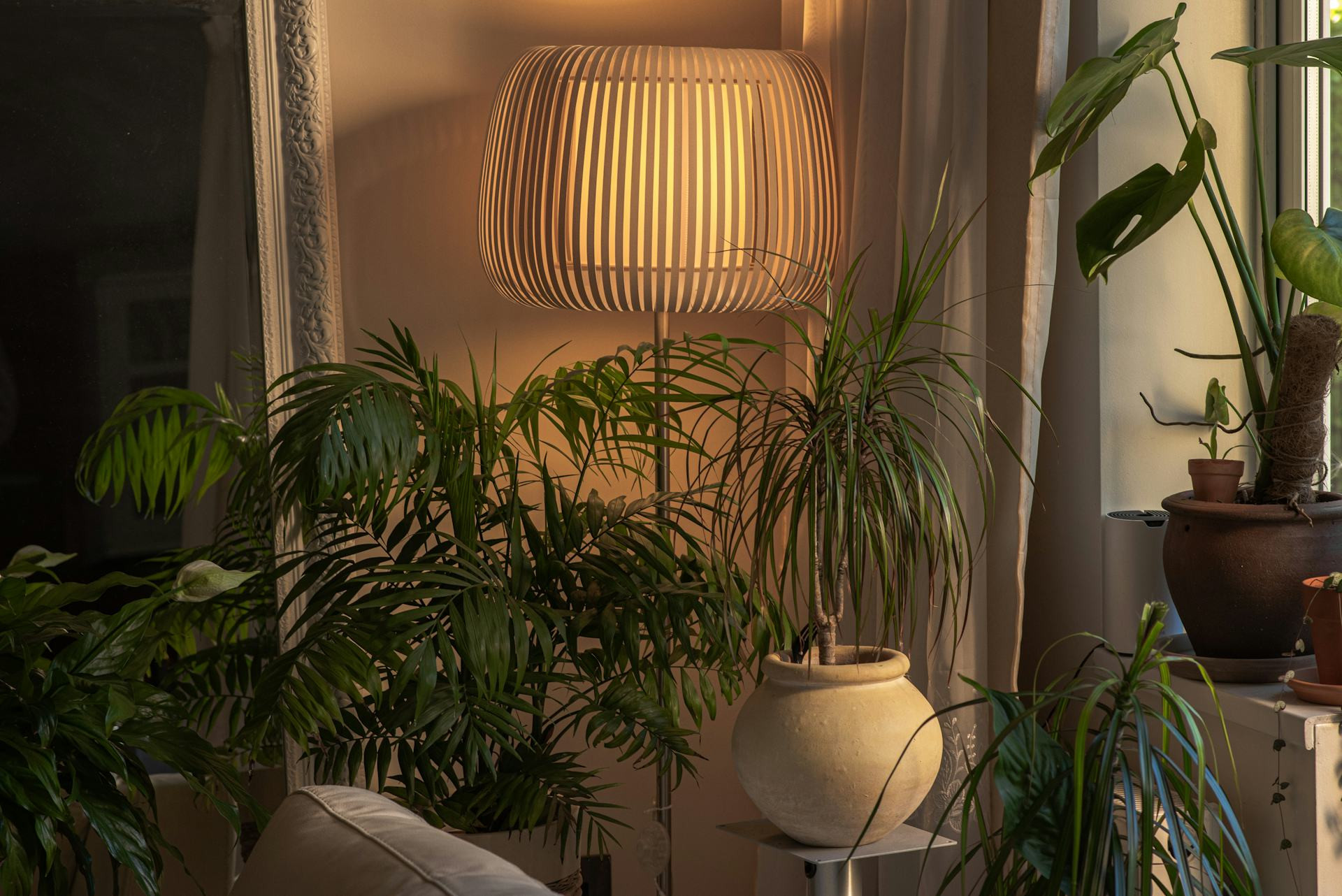
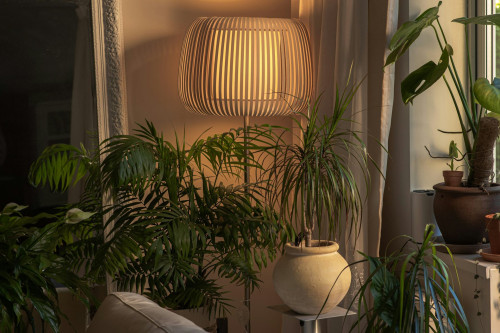
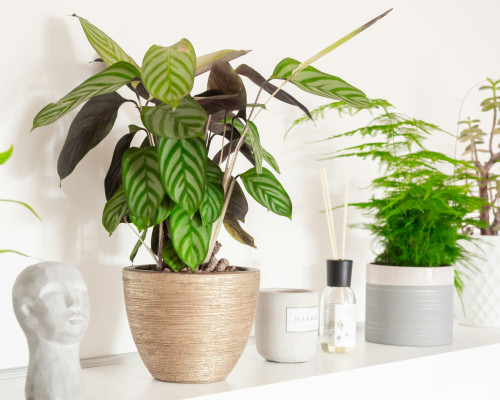
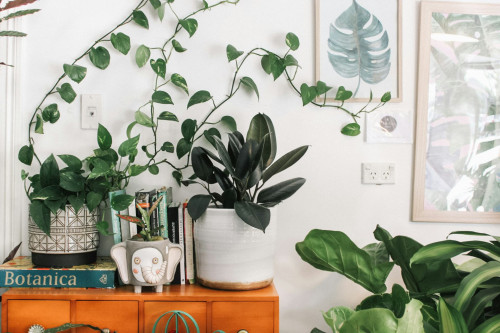
Even in rooms with limited daylight, plants can add life and freshness. Choose varieties that thrive in shade, such as ZZ plants, peace lilies, or parlor palms. If the room has no natural light at all, use grow lights—small LED fixtures that mimic the sun’s spectrum and keep plants healthy.
Plants soften the look of a room and bring a touch of nature that helps compensate for the lack of sunlight.
Make Light Part of Your Design
Think of lighting as part of your décor—not just a necessity. A beautiful lamp can be a design statement, and light can highlight your favorite features.
- Aim a spotlight at artwork or a plant to create a focal point.
- Use uplights behind furniture to add depth.
- Group lamps together to create visual balance.
Small adjustments can make a big difference in how a room feels—both in function and atmosphere.
Create a Rhythm Between Light and Shadow
Even in darker rooms, avoid over-lighting. The eye needs contrast to perceive a space as comfortable. Use dimmers and varied brightness levels so you can adjust lighting to the time of day and your activities.
A room with well-balanced light feels alive and welcoming—even without much natural sunlight.
Læs også: