Light and Play: Using Lighting as Part of the Imagination


Light and Play: Using Lighting as Part of the Imagination
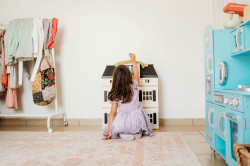
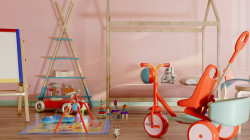
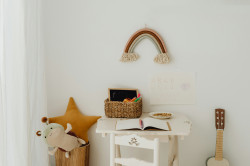
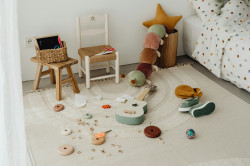
Lighting isn’t just about seeing what’s on the floor or brightening a corner. For children, light can be part of play — a tool that sparks imagination, comfort, and creativity. With the right lighting, a child’s room can transform from an ordinary space into a fairy-tale forest, a rocket ship, or a cozy hideout. Here’s how you can use light as an active part of your child’s play and daily life.
Light as a Mood Setter
Light shapes the atmosphere of a room more than we often realize. A warm, soft glow can create calm and comfort, while bright white light brings energy and focus. In a child’s room, combining different types of lighting allows the space to shift character depending on what’s happening.
- Play lighting: Use colored bulbs, string lights, or small projectors that cast patterns on the wall. These make playtime more vivid and stimulate imagination.
- Cozy lighting: A small bedside lamp with a gentle glow can make bedtime feel safe and soothing.
- Task lighting: A focused desk lamp is essential for reading, drawing, or homework.
By thinking in zones, you can create a room that invites both activity and relaxation.
Create Magic with Color and Movement
Children are fascinated by light that moves or changes color. A lamp that shifts between blue, green, and purple can turn the room into an underwater world or a spaceship in seconds. Star or animal projections on the wall can even become part of the bedtime story — a way for imagination to continue as the lights dim.
You don’t need expensive equipment. A simple string of lights, a colored bulb cover, or a small projector can make a big difference. The key is to let your child help choose and experiment with the lighting.
Light as Comfort
For many children, darkness can feel unsettling. A nightlight can be more than a practical solution — it can be a friend in the dark. Choose a light that’s soft and warm in tone so it doesn’t disturb sleep. Some nightlights even have motion sensors that turn on automatically if your child wakes up during the night.
You can also use light to build routines. A lamp that gradually dims can signal bedtime, while one that slowly brightens in the morning can make waking up gentler.
Let Your Child Be the Light Designer
When children get to help decide how their room looks, they feel ownership and pride — and that includes lighting. Let them pick colors, shapes, and placements. Maybe they want a moon-shaped lamp, or maybe they’d like to decorate a paper lantern themselves.
You can also create small projects together:
- Make a light jar using a mason jar and tissue paper.
- Build a starry sky with glow-in-the-dark stickers and a small LED light.
- Create a secret fort with string lights and blankets.
These projects aren’t just fun — they nurture creativity and a sense of participation.
Læs også:

Practical Considerations
When designing lighting for a child’s room, safety always comes first. Keep cords and lamps out of reach of small children, and use LED bulbs that stay cool. Avoid open flames, and choose sturdy, easy-to-clean fixtures.
Think about energy use, too. Many children’s lights stay on for hours, so opt for energy-efficient solutions — ideally with timers or motion sensors.
Light as Everyday Magic
Lighting can do so much more than illuminate a room. It can set a mood, create comfort, and inspire play — a way for children to express themselves and explore their imagination. When you think of light as part of the story, a child’s room becomes more than a place to sleep. It becomes a place to dream, discover, and grow.
Læs også: