The Sleep Environment as a Shared Space for Calm and Connection

The Sleep Environment as a Shared Space for Calm and Connection
The bedroom is one of the most personal spaces in any home—a place where the day ends and renewal begins. Yet in a culture of constant activity, screens, and notifications, the bedroom can easily become just another functional space rather than a sanctuary. By reimagining the sleep environment as a shared space for calm and connection, you can create surroundings that nurture both rest and relationships.
A Space for More Than Sleep
The bedroom is not only for sleeping. It can also be a place for conversation, comfort, and closeness. When designed with intention, it becomes a retreat where the pace slows and where you and your partner can be together without distractions or demands.
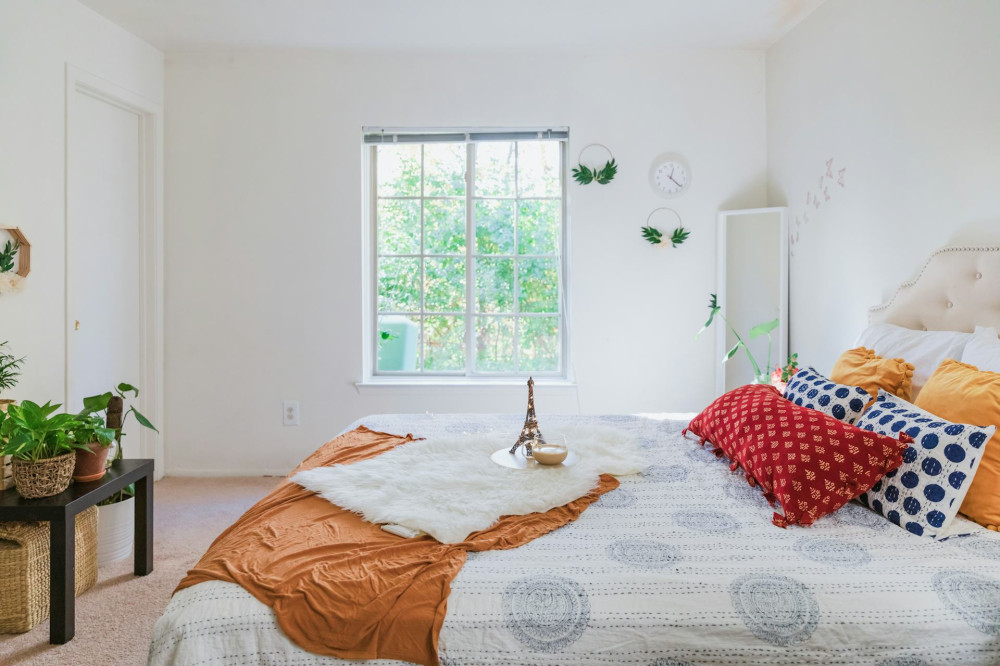
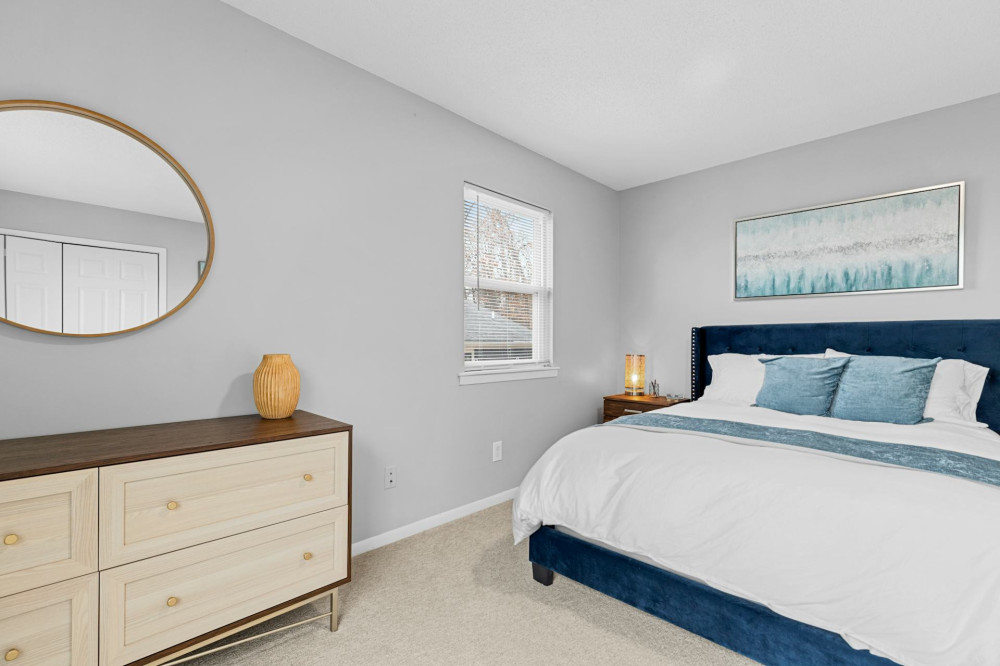
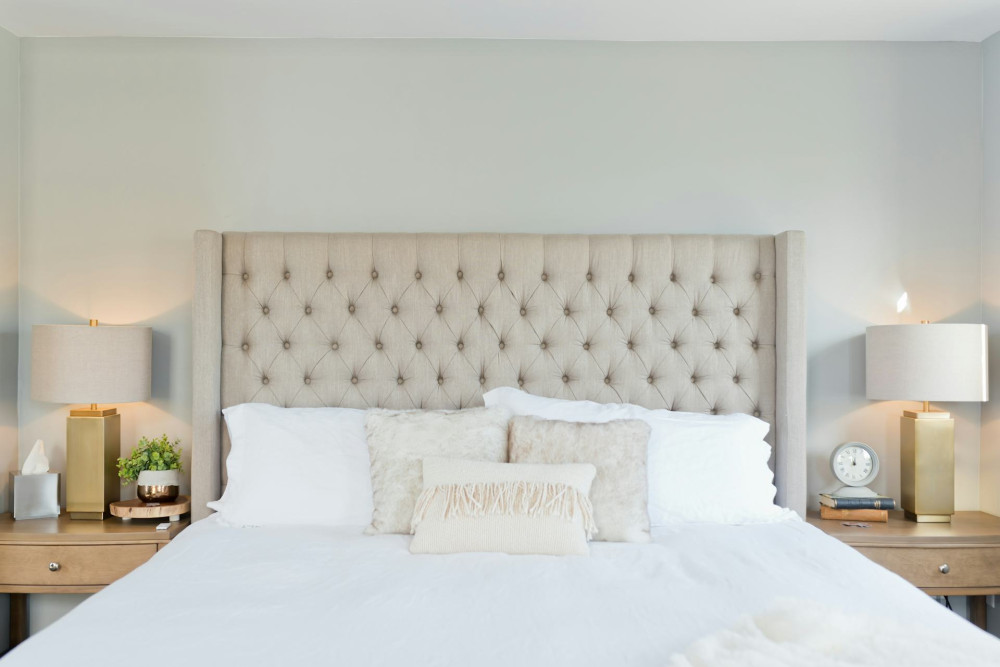
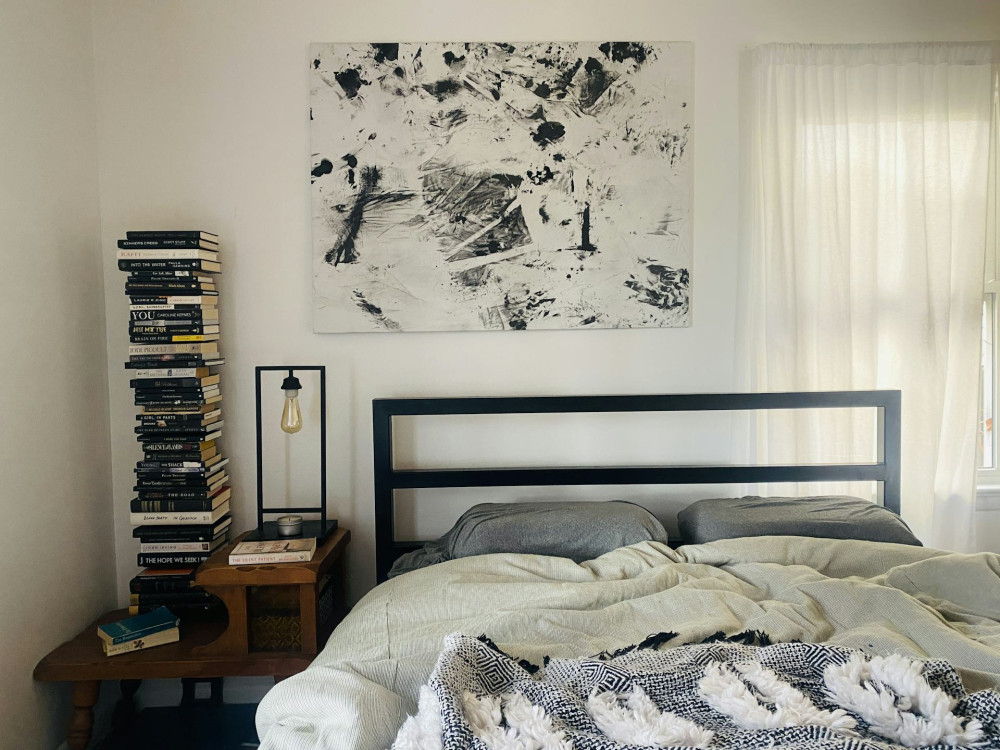
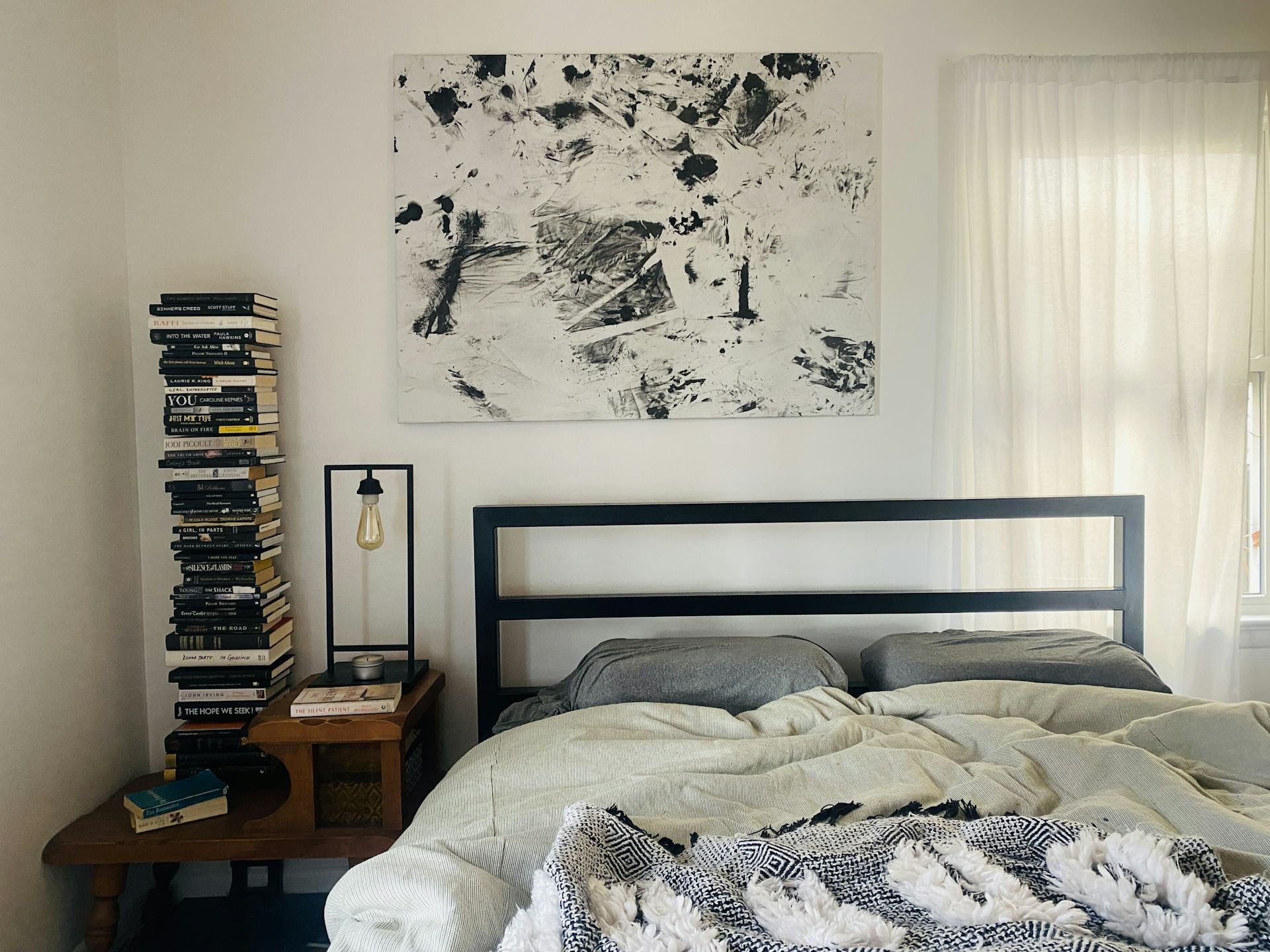
A peaceful sleep environment starts with mindful choices: soft lighting, soothing colors, and materials that invite relaxation. Try to keep clutter, laundry, and electronics out of the room—visual noise can make it harder to unwind and feel at ease.
Balancing Function and Atmosphere
A good sleep environment balances practicality with atmosphere. The mattress, bedding, and room temperature all affect sleep quality, but the overall mood of the space also influences how easily body and mind can settle.
- Light: Use lamps with warm tones and dimming options. Avoid bright overhead lighting in the evening.
- Color: Choose muted shades like blue, green, or beige that promote calm.
- Sound: Add curtains, rugs, or upholstered furniture to soften acoustics and reduce echo.
- Air: Keep the air fresh and the temperature cool—around 65°F is ideal for most people.
When the physical setting supports relaxation, it becomes easier to find calm—both individually and together.
Shared Routines That Build Connection
For many couples, the bedroom is the only place where they truly have time alone together. Small bedtime rituals can therefore have a big impact. It might be turning off screens half an hour before bed, reading side by side, or simply talking about the day.
These moments don’t have to be long; what matters is creating a rhythm of winding down together. When the bedroom becomes a space where you can both be yourselves and feel close, it strengthens not only your sleep but also your bond.
Calm as a Counterbalance to Everyday Pace
In a world that prizes productivity and constant availability, the need for a calm retreat is greater than ever. The bedroom can serve as that counterbalance—a place to step away from demands and sensory overload.
Protecting that space takes intention. Leave phones outside the door, avoid working in bed, and let the room be associated with rest rather than activity. Over time, the body learns that this is a place for restoration, not stimulation—a quiet anchor in a busy life.
Læs også:


A Shared Responsibility for Well-Being
Creating a healthy sleep environment is a shared effort. It’s not only about décor but also about respecting each other’s needs. One person may prefer a cooler room, another may need extra warmth. Some like to talk before sleep, others need silence. Open communication helps you find compromises that support both.
When the bedroom becomes a joint project, it fosters a sense of partnership. It’s no longer just a place to sleep—it’s a space where you reconnect and care for each other.
A Sanctuary That Restores Energy
A sleep environment that invites calm and connection is not a luxury—it’s an investment in well-being. When sleep is restful and the space feels safe, both body and mind are better prepared to meet the day with energy and balance.
Ultimately, creating a shared sanctuary is about giving yourself and your partner permission to slow down—to be present, without noise or pressure, and to rediscover the quiet that restores you both.
Læs også: