Why Construction Quality Is Crucial for a Chair’s Stability

Why Construction Quality Is Crucial for a Chair’s Stability
A chair may seem like a simple piece of furniture—four legs, a seat, and a backrest. But behind that simplicity lies a careful balance of materials, joints, and design choices. The quality of construction determines whether a chair feels solid, lasts for years, and provides proper comfort. In this article, we’ll explore why construction quality matters so much and what to look for when evaluating a chair’s stability.
Stability Starts with the Material
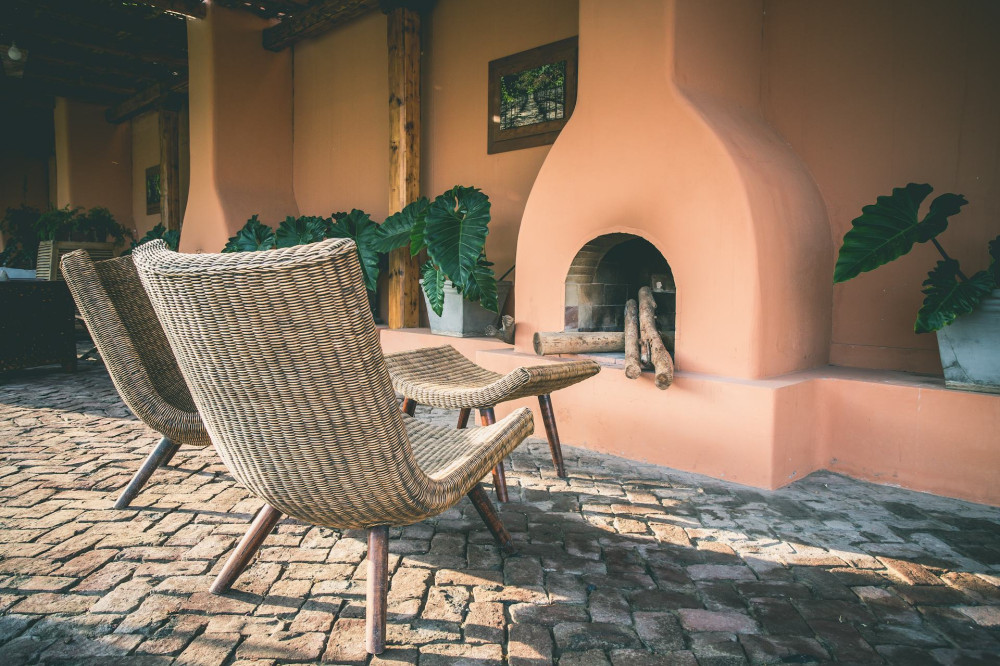
The foundation of any chair is its material. Wood, metal, and plastic each have unique properties, and the quality of those materials directly affects how strong and durable the chair will be.
- Solid wood offers natural strength and flexibility but requires precise craftsmanship to prevent joints from loosening over time.
- Plywood and laminated wood can be just as strong as solid wood if properly glued and pressed.
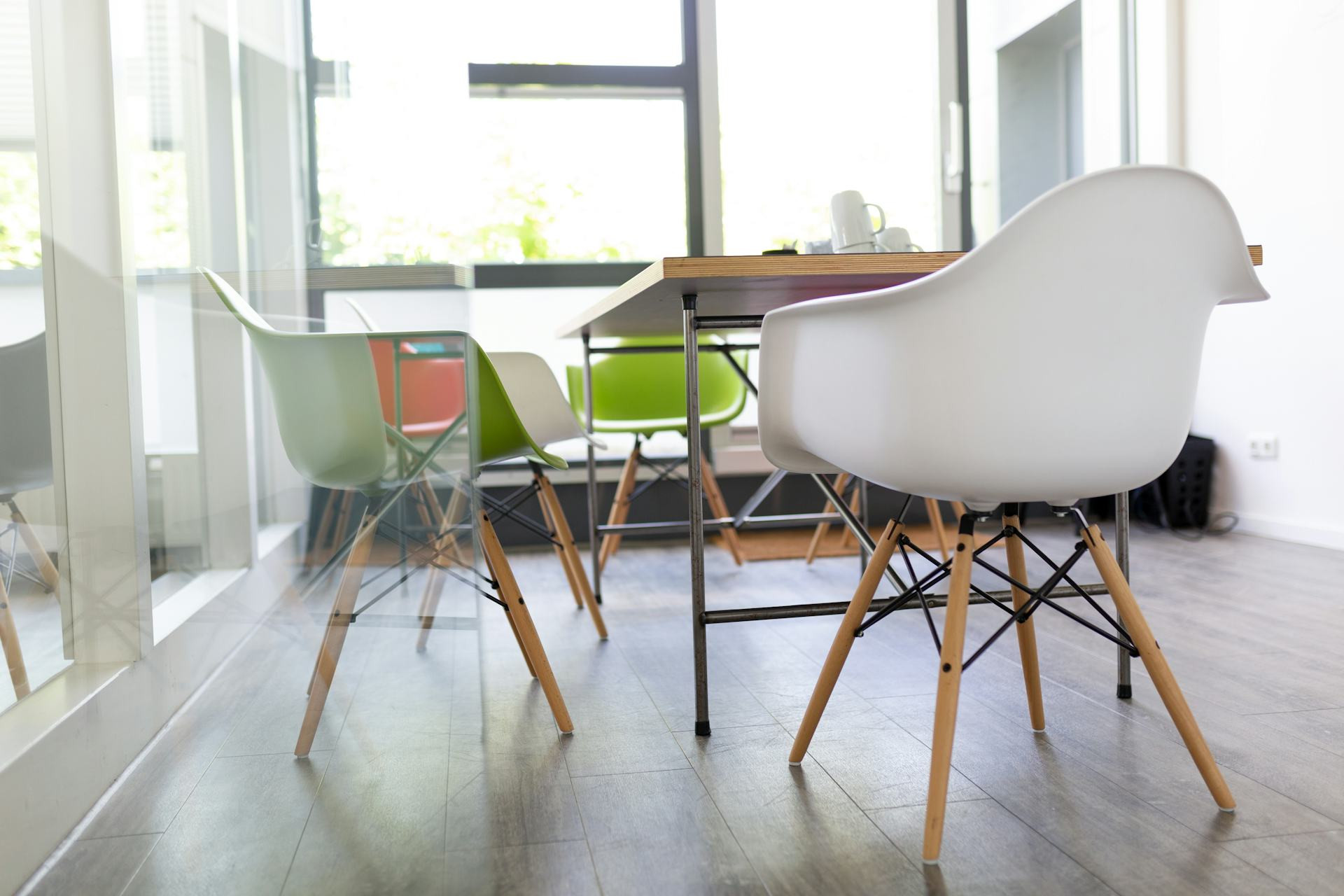
- Steel and aluminum provide excellent stability with relatively low weight, but they depend on accurate welding and corrosion protection.
- Plastic and composite materials can be lightweight and durable, but their quality depends heavily on manufacturing methods and reinforcement.
A low-cost material might look fine at first but can lose shape or strength over time. That’s why it’s worth paying attention to how a chair is built—not just how it looks.
Læs også:

The Joints: The Chair’s Weak or Strong Point
Even the best materials can’t make up for poor joints. This is where a chair’s stability is truly tested. Every time someone sits down, stands up, or shifts their weight, the joints take the stress. If they’re not properly constructed, they’ll gradually loosen.
The most durable joints are typically mortise-and-tenon or doweled and glued connections in wooden chairs, or welded joints in metal ones. Screws and brackets can work well too, but they require precision and sometimes periodic tightening to maintain stability. A well-constructed chair distributes forces evenly so that the joints work together rather than against each other.
The Role of Design in Stability
Good design isn’t just about looks—it’s about balance and weight distribution. A chair with legs that are too narrow, a seat that’s too high, or a frame that’s too thin can feel unstable even if the materials are strong. Designers must consider how the chair will be used: Will it be stacked, moved frequently, or need to support a wide range of body types?
Ergonomics also plays a role. A comfortable chair distributes weight evenly, reducing stress on the joints. That means a well-designed chair doesn’t just feel more stable—it actually lasts longer.
Testing and Quality Assurance
Before a chair reaches the showroom floor, reputable manufacturers often put it through rigorous testing. These include load tests, where the chair is repeatedly subjected to pressure and movement, and stability tests, which measure how far it can tilt before tipping over. Such tests ensure that the chair can handle everyday use—and then some.
Cheaper chairs often skip this step, meaning weaknesses only become apparent once the chair is already in your home. That’s why it’s smart to buy from brands that document their testing and quality control processes.
Maintenance and Longevity
Even the best-built chair benefits from a little maintenance. Wooden chairs may need occasional tightening and oiling, while metal ones should be kept dry and rust-free. A stable chair isn’t just the result of good construction—it’s also the product of proper care over time.
By choosing quality from the start and maintaining your chair, you can enjoy it for decades—as both a functional piece of furniture and a lasting example of craftsmanship.
Quality Pays Off in the Long Run
When deciding between a budget chair and a higher-quality model, consider what you’re really paying for. A well-made chair isn’t just more comfortable and durable—it’s also more sustainable, since it won’t need to be replaced as often. In other words, construction quality isn’t a luxury; it’s an investment in comfort, safety, and the environment.
Læs også: