Create a Calm Space with Intentional Furniture Choices

Create a Calm Space with Intentional Furniture Choices
A peaceful home isn’t just about color palettes and lighting—it’s also about the furniture you choose to live with every day. The pieces you bring into your space set the tone for how it feels and functions. With thoughtful choices, you can create balance, harmony, and a sense of calm that supports your well-being. Here’s how to design a home that feels like a retreat from the noise of everyday life.
Begin with Purpose and Flow
Before you start shopping, take a moment to think about how you use each room. A living room that doubles as a workspace has different needs than a bedroom or reading nook. Consider the activities that happen there and how furniture can support them without creating clutter or chaos.
Arrange furniture to encourage natural movement through the space. Leave room to breathe—both physically and visually. A good rule of thumb is to choose fewer, higher-quality pieces that serve a clear purpose. Open space is just as important as the furniture itself when it comes to creating calm.
Choose Materials That Soothe the Senses
The materials you surround yourself with have a powerful effect on how a room feels. Natural materials like wood, wool, linen, and leather bring warmth and authenticity. They invite touch and create a grounded atmosphere. Matte finishes and textured surfaces—like a woven rug or a soft fabric sofa—help diffuse light and soften the overall mood.
Try to limit overly glossy or synthetic surfaces, which can feel cold or overstimulating. Instead, layer natural tones and textures to create a space that feels alive yet balanced.
Læs også:




Colors and Shapes That Encourage Calm
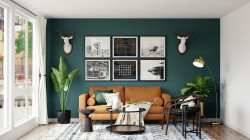
Color has a direct impact on our emotions. Soft neutrals—such as sand, taupe, gray, and muted greens—form a soothing foundation. You can add personality with subtle accents, but aim for harmony rather than contrast. When colors flow together, the room feels cohesive and restful.
The shapes of your furniture matter, too. Rounded edges and gentle curves tend to feel more relaxing than sharp angles. A circular coffee table or an organically shaped chair can break up straight lines and bring a sense of natural rhythm to the room.
Balance Function and Aesthetics
A calm space doesn’t have to be minimalist, but it should be intentional. Every piece should earn its place—whether it’s functional, beautiful, or both. Ask yourself if you truly need that extra side table or if it’s just taking up space. When you surround yourself with items that have meaning or purpose, your home feels more personal and less cluttered.
Storage plays a key role in maintaining calm. Closed cabinets, baskets, and drawers with clean lines help keep surfaces clear. When visual noise is reduced, your mind can rest more easily.
Light and Placement as Mood Makers
Even the most beautiful furniture can lose its impact if it’s poorly lit. Take advantage of natural light whenever possible, and position furniture to make the most of it. A reading chair by a window or a dining table with a view can transform the energy of a room.
In the evening, use warm, dimmable lighting to create a cozy atmosphere. Avoid harsh, cool-toned bulbs that mimic office lighting—they can disrupt the sense of relaxation you’re trying to build.
Leave Room for Pause and Personality
Creating a calm home isn’t about stripping everything away—it’s about balance. Allow for empty spaces where the eye can rest. At the same time, let your personality shine through. A favorite armchair, a family heirloom, or a piece of art you love can add warmth and meaning.
When you choose furniture with intention, you’re not just decorating—you’re shaping how you feel in your space. A calm home supports a calm mind, offering a quiet refuge where you can recharge and simply be.
Læs også: