Heat Therapy After Exercise: How Heat Promotes the Body’s Recovery

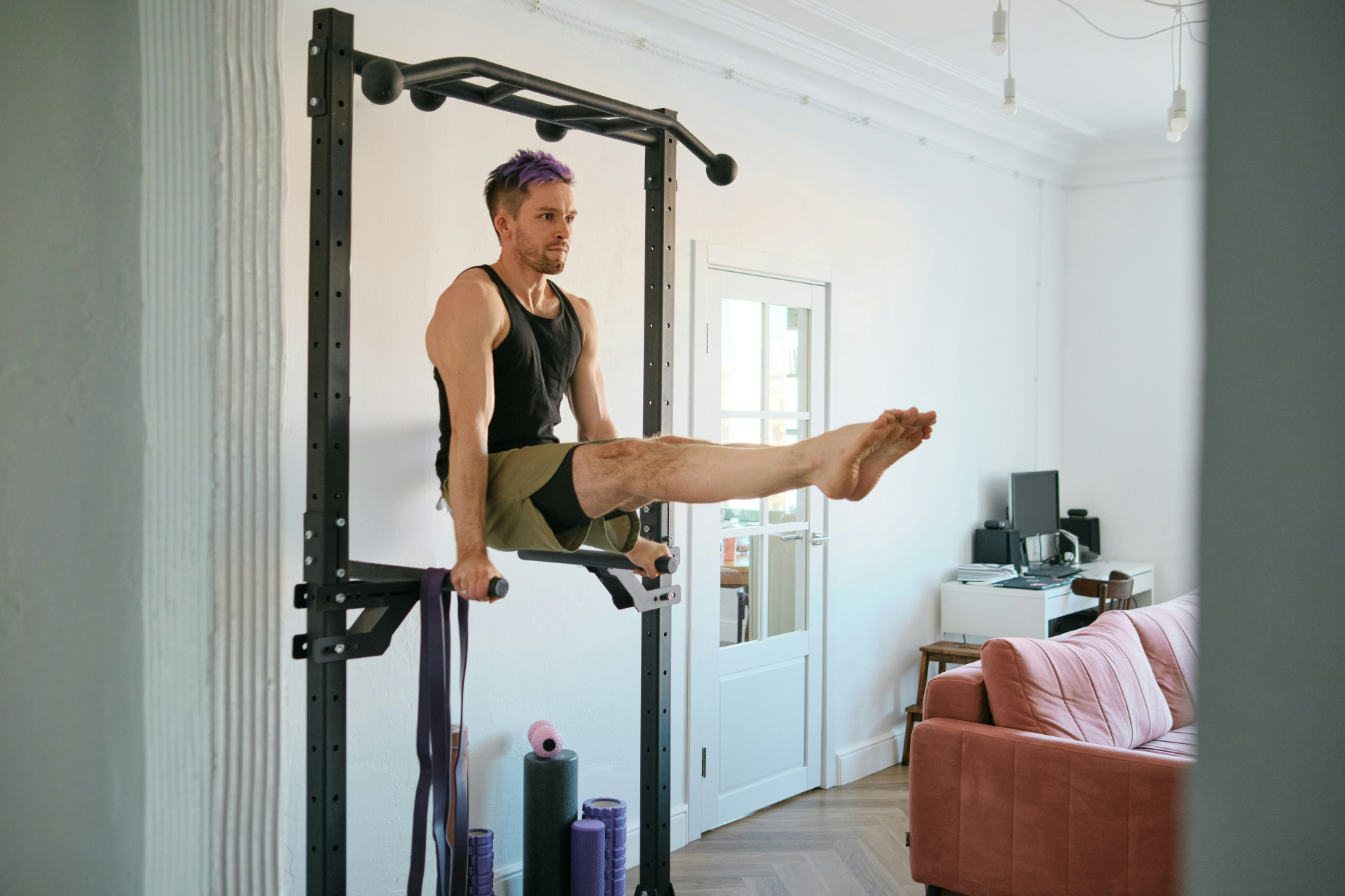
Heat Therapy After Exercise: How Heat Promotes the Body’s Recovery
After a tough workout, it’s tempting to jump straight into the shower and move on with your day. But taking a few extra minutes to let your body unwind with heat can be one of the most effective ways to support recovery. Heat therapy—through saunas, hot baths, or heating pads—helps muscles relax, boosts circulation, and can ease soreness. Here’s how heat works to promote recovery and how you can make it a natural part of your post-exercise routine.
Why Heat Works
When you exercise, your muscles experience tiny microtears that your body later repairs. This process makes you stronger, but it can also lead to soreness and stiffness. Heat therapy helps by dilating blood vessels, allowing oxygen and nutrients to reach muscles more efficiently while speeding up the removal of waste products like lactic acid.
At the same time, warmth relaxes tight muscles, reducing tension and promoting a sense of comfort. Many people also find that heat therapy lessens fatigue and makes it easier to move the next day after an intense workout.
The Sauna Effect
A post-workout sauna session is a classic recovery method—and for good reason. The high temperatures, typically between 170°F and 200°F in a traditional sauna, raise your heart rate and increase blood flow, similar to light cardiovascular exercise but without stressing your muscles or joints.
Research suggests that regular sauna use can improve recovery, support cardiovascular health, and even strengthen the immune system. For most people, 10–15 minutes per session is enough. Be sure to drink plenty of water before and after to stay hydrated, as sweating can quickly deplete fluids.
Hot Baths as a Relaxing Alternative
If you don’t have access to a sauna, a hot bath can be just as effective—and much easier to fit into your daily routine. Immersing your body in warm water provides even, gentle heat that soothes sore muscles. Adding Epsom salt, which contains magnesium, may further help ease tension and promote relaxation.
A 15–20 minute soak after exercise can reduce muscle soreness and help your body transition from activity to rest. Many people also find that a warm bath before bed improves sleep quality, which is a key part of recovery.
Localized Heat Treatments
For smaller muscle groups or specific sore spots, localized heat therapy can be a great option. A heating pad, warm compress, or heat pack can be applied directly to areas that need extra attention—such as the lower back, shoulders, or thighs.
Localized heat increases blood flow to the targeted area and can relieve both muscle tightness and joint discomfort. It’s a simple, convenient method that can be used right after a workout or in the days following if soreness persists.
Combining Heat and Cold
While heat has many benefits, alternating between heat and cold can sometimes be even more effective. Cold therapy—like ice baths or cold showers—helps reduce inflammation and swelling, while heat promotes circulation and relaxation. Switching between the two can stimulate blood flow and enhance overall recovery.
A popular approach is contrast therapy, where you alternate between hot and cold water in short intervals. It takes some getting used to, but many athletes swear by its energizing and restorative effects.
Læs også:

When to Be Cautious
Although heat therapy is generally safe, there are times when you should be careful. If you have an acute injury with swelling, avoid heat for the first 24–48 hours, as it can worsen inflammation. People with heart conditions, low blood pressure, or certain medical concerns should consult their doctor before using saunas or hot baths.
Always listen to your body—if you feel dizzy, overheated, or unwell, it’s time to stop and cool down.
Making Heat Part of Your Routine
Heat therapy doesn’t have to be an occasional indulgence. It can become a regular part of your fitness routine—a ritual that marks the transition from exertion to recovery. Whether you choose a sauna, a hot bath, or a heating pad, the goal is the same: to give your body the time and warmth it needs to rebuild and restore.
When you prioritize recovery as much as training itself, you’ll not only see better results but also reduce your risk of injury and burnout. And perhaps most importantly, you’ll give yourself a moment of calm and comfort in the middle of a busy day.
Læs også: