From Hearth to Heat Pump – Heating Through the Ages

From Hearth to Heat Pump – Heating Through the Ages
From crackling fireplaces to whisper-quiet heat pumps, the way Americans heat their homes tells a story of innovation, comfort, and changing energy priorities. Over the centuries, heating has evolved from a matter of survival to a reflection of technological progress and environmental awareness. Let’s take a look at how home heating in the United States has transformed from the colonial hearth to today’s high-efficiency systems.
The Hearth – The Heart of Early American Homes
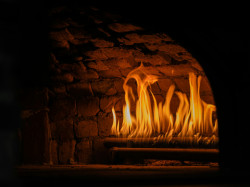
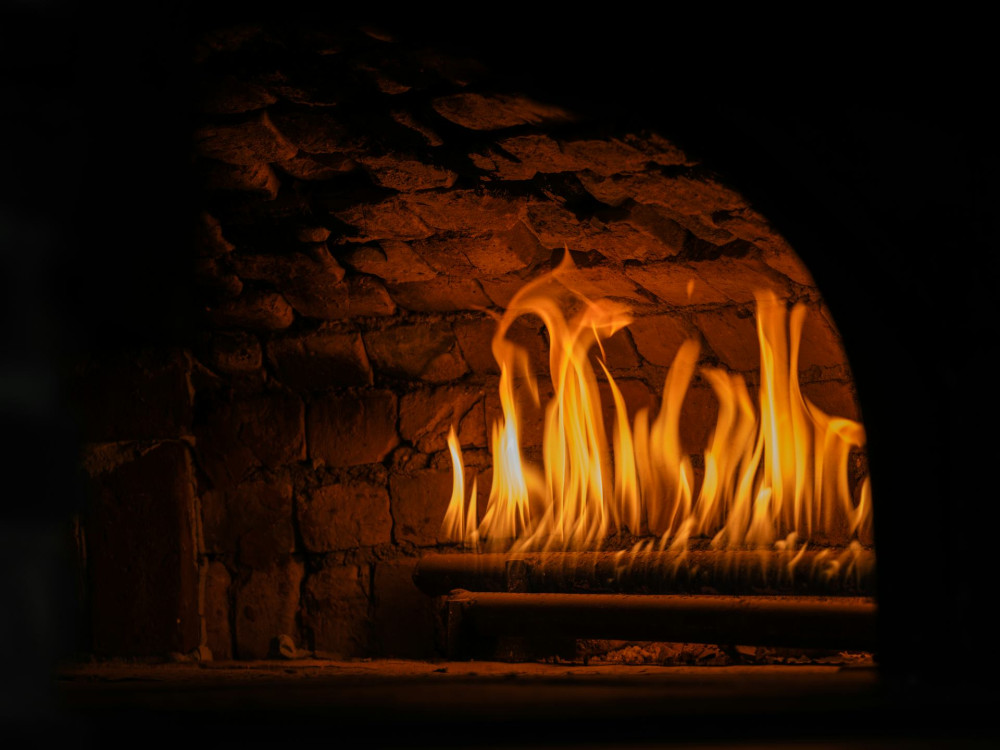
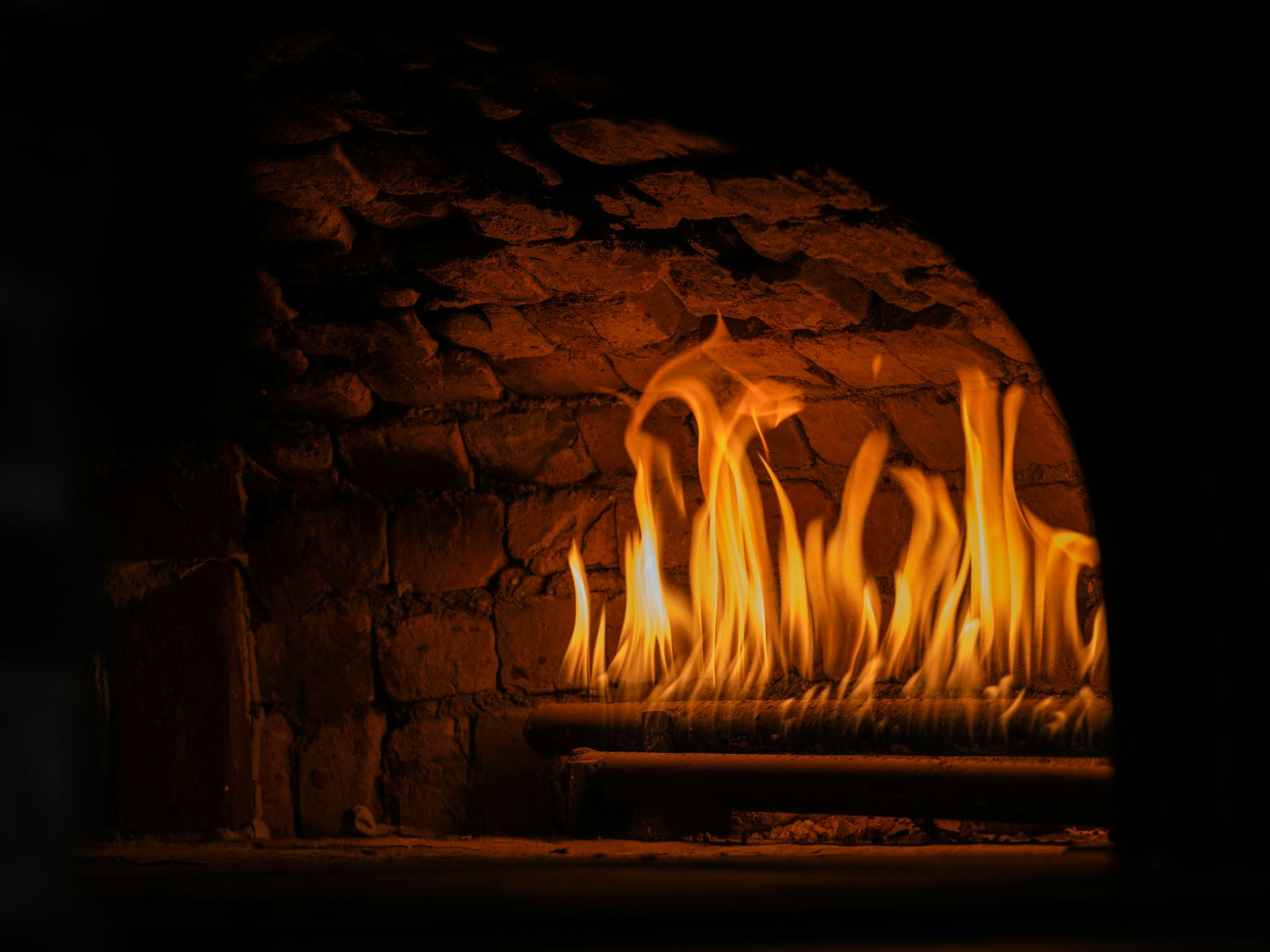
In the early days of the American colonies, the open hearth was the center of domestic life. It provided warmth, light, and a place to cook meals. Families gathered around the fire not only for heat but also for companionship during long, cold winters. The fireplace was often large enough to burn whole logs, but it was far from efficient—most of the heat escaped up the chimney.
By the 18th and 19th centuries, improvements such as the Franklin stove, invented by Benjamin Franklin, made heating more effective. These cast-iron stoves radiated heat more evenly and used less wood, marking one of the first major steps toward energy efficiency in American homes.
Læs også:



From Wood to Coal and Central Heating
As cities grew during the 19th century, coal became the dominant fuel for heating. Coal stoves replaced wood-burning fireplaces in many urban homes, offering longer-lasting heat and easier fuel storage. However, they required constant tending and produced soot and smoke that blackened walls and lungs alike.
The real revolution came with the advent of central heating in the late 1800s and early 1900s. Steam and hot-water radiators allowed a single furnace in the basement to heat an entire building. This innovation brought unprecedented comfort and convenience—no more hauling wood or coal to every room. By the mid-20th century, oil and natural gas furnaces had largely replaced coal, making home heating cleaner and easier to control.
The Age of Oil and Gas
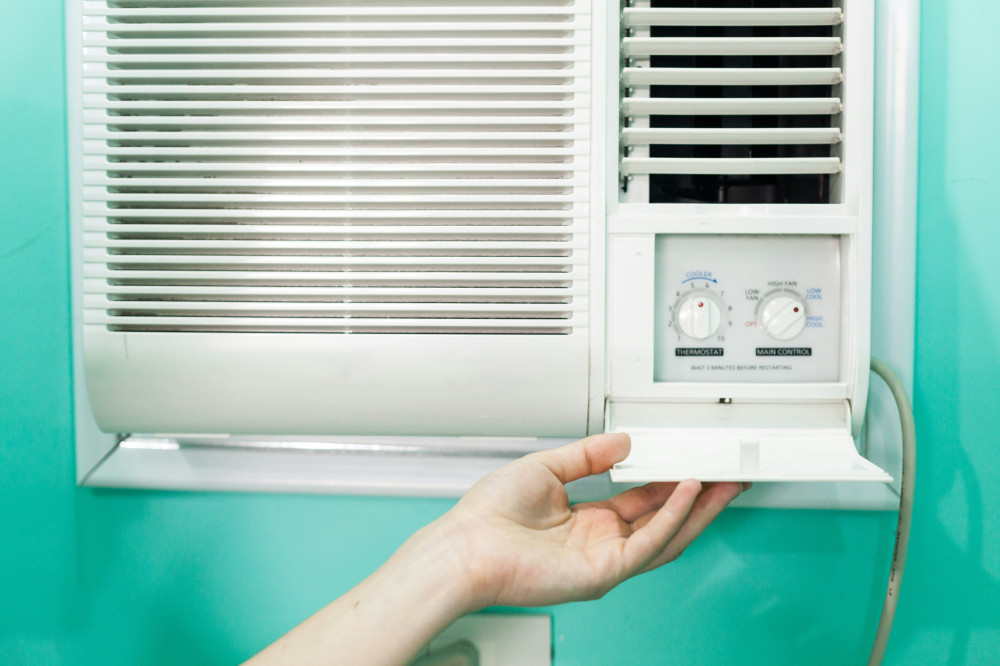
Postwar America embraced oil and gas heating as symbols of modern living. Suburban homes built in the 1950s and 1960s often featured forced-air systems that distributed warm air through ducts, paired with the new comfort of air conditioning. Cheap fossil fuels made it easy to keep homes warm, even in the coldest climates.
But this era of abundance came with a cost. The oil crises of the 1970s exposed the nation’s dependence on imported energy and sparked a new awareness of efficiency and conservation. Homeowners began adding insulation, sealing drafts, and exploring alternative heating options.
Electric Heat and the Push for Efficiency
In the latter half of the 20th century, electric baseboard heaters and heat pumps began to appear, especially in regions with milder winters. Early heat pumps were limited in cold climates, but they represented a shift toward cleaner, more controllable systems. Federal energy standards introduced in the 1970s and 1980s encouraged manufacturers to design furnaces and boilers that used less fuel and produced fewer emissions.
At the same time, renewable energy entered the conversation. Solar thermal systems, though never widespread, hinted at a future where the sun could help heat American homes.
The Modern Heat Pump – A New Chapter
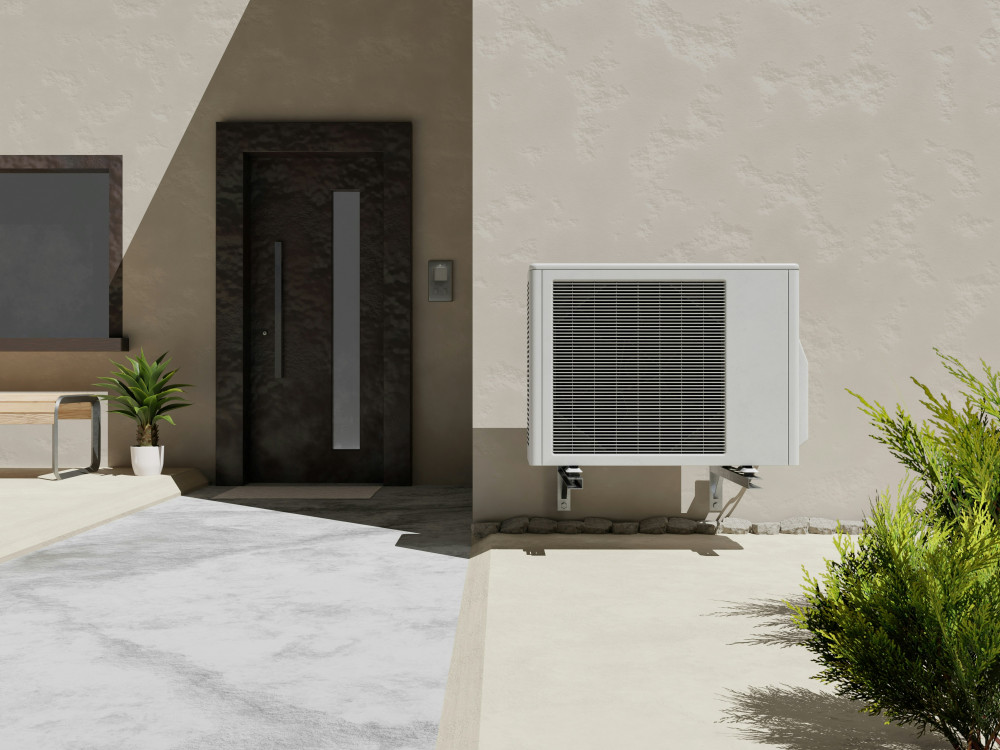
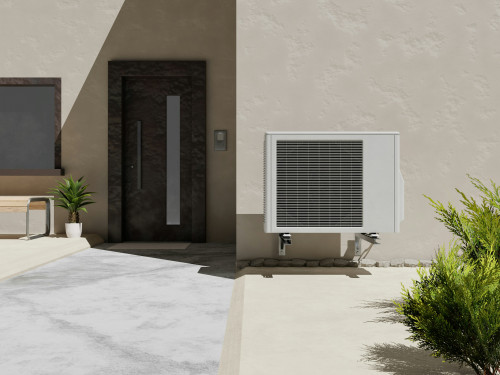
Today, the heat pump stands at the forefront of home heating innovation. Using electricity to move heat rather than generate it, modern air-source and ground-source heat pumps can deliver three to four times more heat energy than the electricity they consume. Advances in cold-climate technology now make them viable even in northern states.
When powered by renewable electricity from wind or solar, heat pumps offer one of the cleanest and most efficient ways to heat—and cool—homes. Federal incentives and state programs are helping more Americans make the switch, reducing both energy bills and carbon footprints.
From Firelight to Smart Thermostats
Looking back, the journey from hearth to heat pump is more than a tale of technology—it’s a story of adaptation and progress. Where once the family fire was essential for survival, today’s heating systems are part of a broader effort to live comfortably and sustainably.
The future of home heating will likely be even smarter: systems that learn our habits, store energy, and communicate with the electric grid. Yet the goal remains the same as it was centuries ago—to create warmth, comfort, and a sense of home, no matter how the world outside may change.
Læs også: