Heating Rooms You Rarely Use – Here’s How


Heating Rooms You Rarely Use – Here’s How
Many homes have rooms that sit empty most of the time — a guest bedroom, a basement office, or a hobby space that only sees occasional use. It can feel wasteful to keep them heated all winter, yet letting them get too cold can lead to moisture problems, higher energy bills elsewhere, and even damage to your home. So how do you strike the right balance between comfort, efficiency, and maintenance? Here’s a guide to heating rooms you rarely use.
Why You Shouldn’t Let a Room Go Completely Cold
Turning the heat off entirely might seem like the easiest way to save money, but it can backfire. When a room gets too cold, humidity can build up, leading to condensation, mold, or even frozen pipes in extreme cases. Cold air can also seep into adjacent rooms, making your whole house feel chillier and forcing your main heating system to work harder.
A good rule of thumb is to keep unused rooms at a minimum of around 55–60°F. That’s warm enough to prevent moisture issues and protect your home’s structure, without wasting energy.
Set the Temperature Smartly
If your home uses a central heating system, don’t close off vents completely — that can create pressure imbalances and reduce efficiency. Instead, lower the thermostat setting for that zone or partially close the vent to reduce airflow. For baseboard or radiator systems, turn the thermostat down rather than off. Maintaining a low, steady temperature is more efficient than reheating a cold room from scratch.
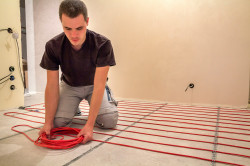
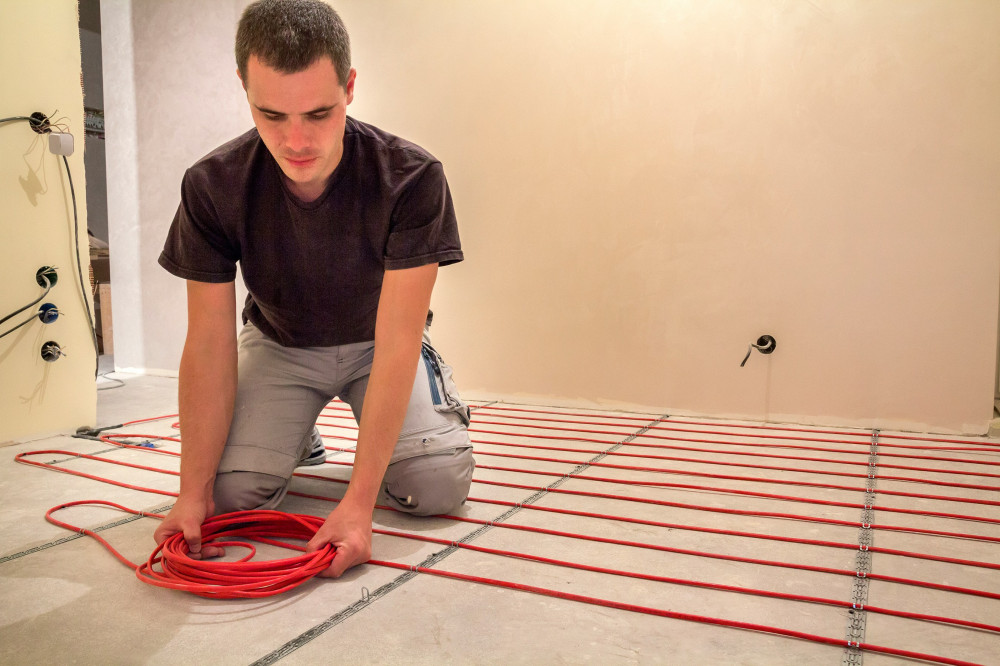
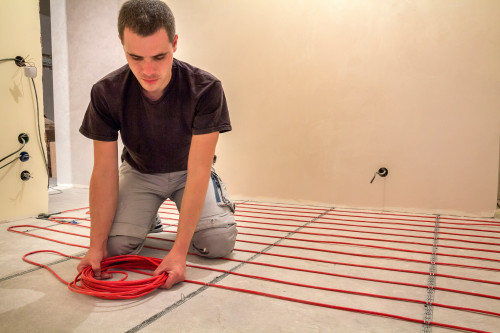
If you have radiant floor heating, lower the temperature a few degrees but avoid shutting it down entirely. These systems take time and energy to reheat, so keeping a baseline temperature is more economical in the long run.
Use Smart Controls
Smart thermostats and zoning systems make it easy to manage heating in seldom-used rooms. You can program them to warm up only when needed — for example, before guests arrive or during certain hours of the day. Some models even detect motion or occupancy and adjust automatically, saving energy without sacrificing comfort.
If your HVAC system supports it, consider adding smart vents or room sensors. They help balance temperatures throughout your home and prevent over- or under-heating in specific areas.
Consider Temporary or Supplemental Heat
For rooms that are used only occasionally, a portable heater can be a practical solution. Ceramic space heaters, oil-filled radiators, or infrared panels can quickly warm a small area when needed. Always choose models with built-in thermostats, tip-over protection, and automatic shutoff for safety.
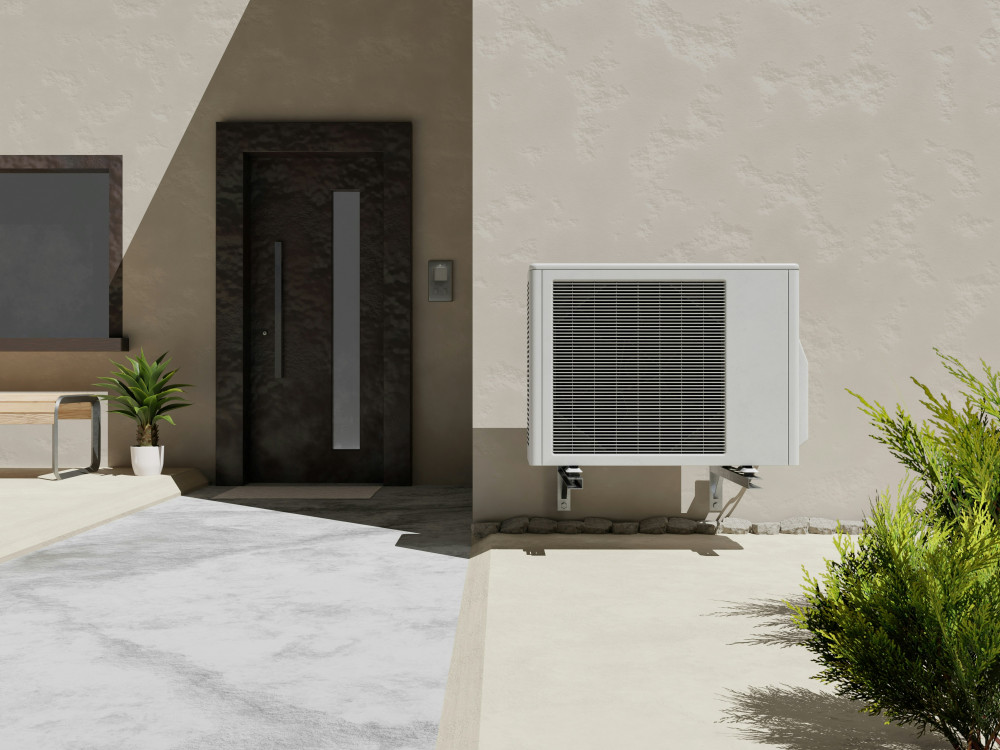
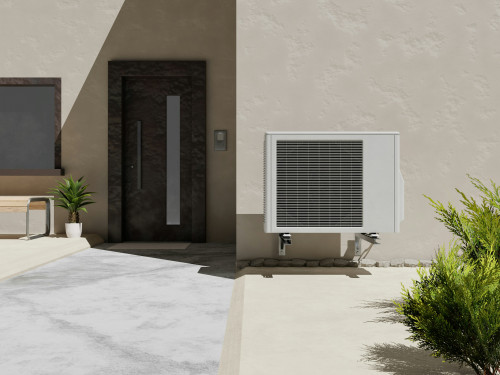
If the room is separate from your main house — like a detached studio or guest cottage — a ductless mini-split heat pump can be an efficient option. It provides both heating and cooling, maintains a low background temperature, and can be controlled remotely.
Læs også:

Don’t Forget Ventilation
Rooms that stay closed up for long periods often have poor air circulation, which can lead to stale air and moisture buildup. Open windows for a few minutes once or twice a week to let fresh air in, or run an exhaust fan if available. If your home has a mechanical ventilation system, make sure vents in unused rooms remain open so air can circulate properly.
Insulation and Air Sealing Matter
Even a small draft can make a big difference in how much energy it takes to keep a room warm. Check for gaps around windows, doors, and electrical outlets, and seal them with weatherstripping or caulk. Adding insulation to exterior walls or the attic above the room can also help maintain a stable temperature.
Simple touches like area rugs, heavy curtains, or door draft stoppers can make a room feel warmer and reduce heat loss — especially in older homes.
Finding the Right Balance
You don’t need to keep every room in your home at the same temperature. The goal is to maintain a low, consistent level of warmth that protects your home and keeps energy use in check. Combine that with good ventilation, smart controls, and proper insulation, and you’ll have a comfortable, efficient home — even in the rooms you rarely use.
Læs også: