Garages and Urban Densification: Updated Regulations in a Sustainable Era

Garages and Urban Densification: Updated Regulations in a Sustainable Era
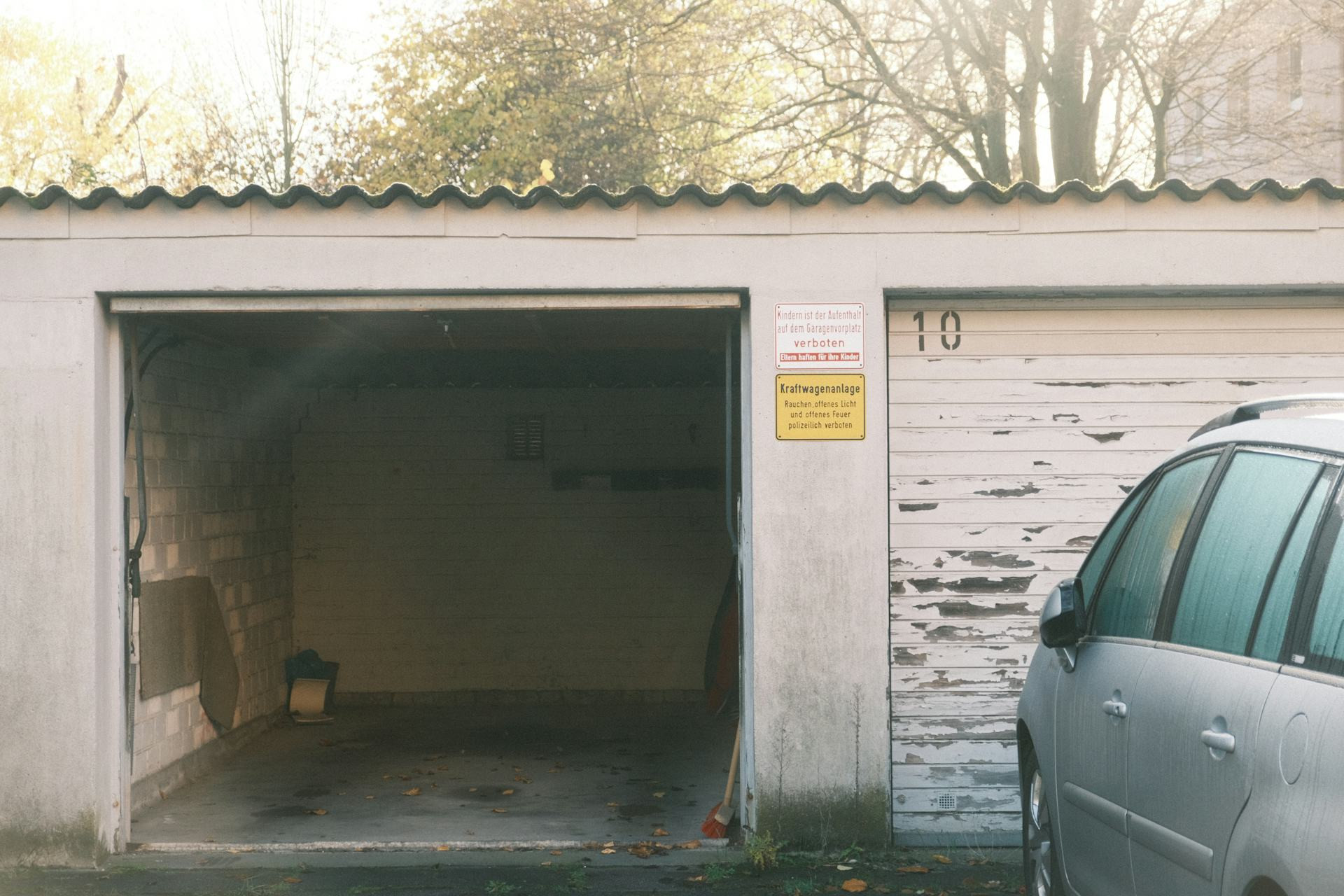
As American cities grow denser and sustainability becomes a central concern in urban planning, the humble garage is undergoing a quiet transformation. Once a purely functional space for storing vehicles, the garage is now part of a broader conversation about land use, energy efficiency, and livability in urban neighborhoods. Updated regulations and design trends are pushing homeowners, developers, and city planners to rethink what a garage can be—and how it fits into a more sustainable urban future.
From Car Shelter to Flexible Space
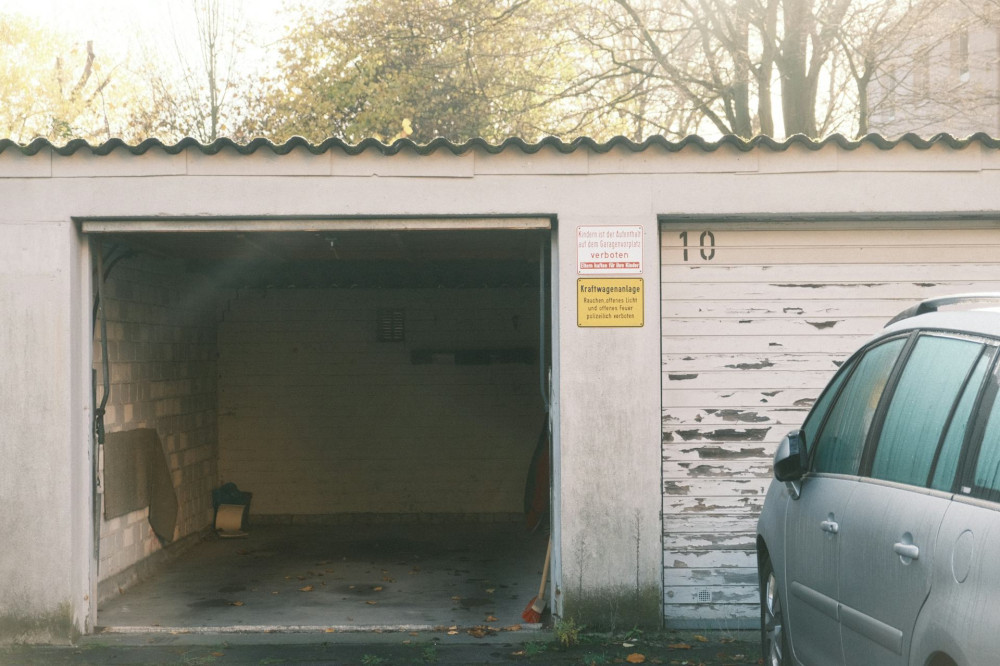
For decades, the garage symbolized the American car culture—a private space for the family vehicle, tools, and weekend projects. But as more people embrace public transit, cycling, and car-sharing, many garages sit underused. This shift has prompted cities and homeowners to reconsider how these spaces can serve evolving urban lifestyles.
In many municipalities, zoning and building codes are being revised to allow garages to be converted into accessory dwelling units (ADUs), home offices, or studios. These conversions can help address housing shortages in high-demand areas, but they must comply with local safety, accessibility, and energy standards. Fire separation, insulation, and ventilation requirements are often key considerations. The goal is to make better use of existing structures while maintaining neighborhood character.
This flexibility reflects a larger trend: maximizing every square foot in cities where space is increasingly scarce. The garage is no longer just a storage space—it’s a potential living or working area that supports urban resilience and adaptability.
New Standards for Materials and Energy
Sustainability is reshaping building codes across the United States, and garages are no exception. Many states now require new construction to meet higher energy-efficiency standards, including the use of sustainable materials and improved stormwater management.
Permeable driveways, for example, are encouraged or mandated in some regions to reduce runoff and ease pressure on municipal drainage systems. Homeowners are also turning to recycled materials, solar panels, and green roofs to make their garages more environmentally friendly. A garage topped with vegetation can help reduce heat island effects, improve local biodiversity, and even lower cooling costs for adjacent buildings.
These small-scale improvements, multiplied across neighborhoods, contribute significantly to broader sustainability goals.
Læs også:



Electric Vehicles and Infrastructure Readiness
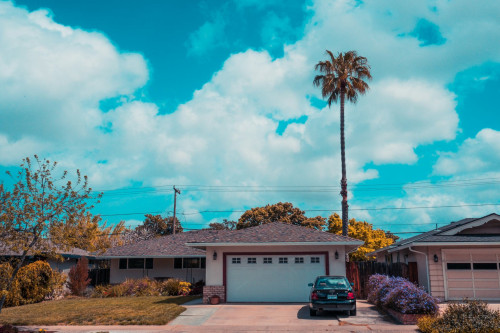
The rapid adoption of electric vehicles (EVs) is another major factor driving changes in garage design and regulation. Federal and state initiatives, such as the Inflation Reduction Act, are incentivizing EV ownership and charging infrastructure. As a result, new residential and multifamily developments are often required to include EV-ready wiring or charging stations.
For existing homes, upgrading electrical systems to support EV chargers can be a challenge, but many utilities and local governments offer rebates or technical assistance. These measures are part of a nationwide effort to prepare cities for a low-carbon transportation future.
Densification and Neighborhood Compatibility
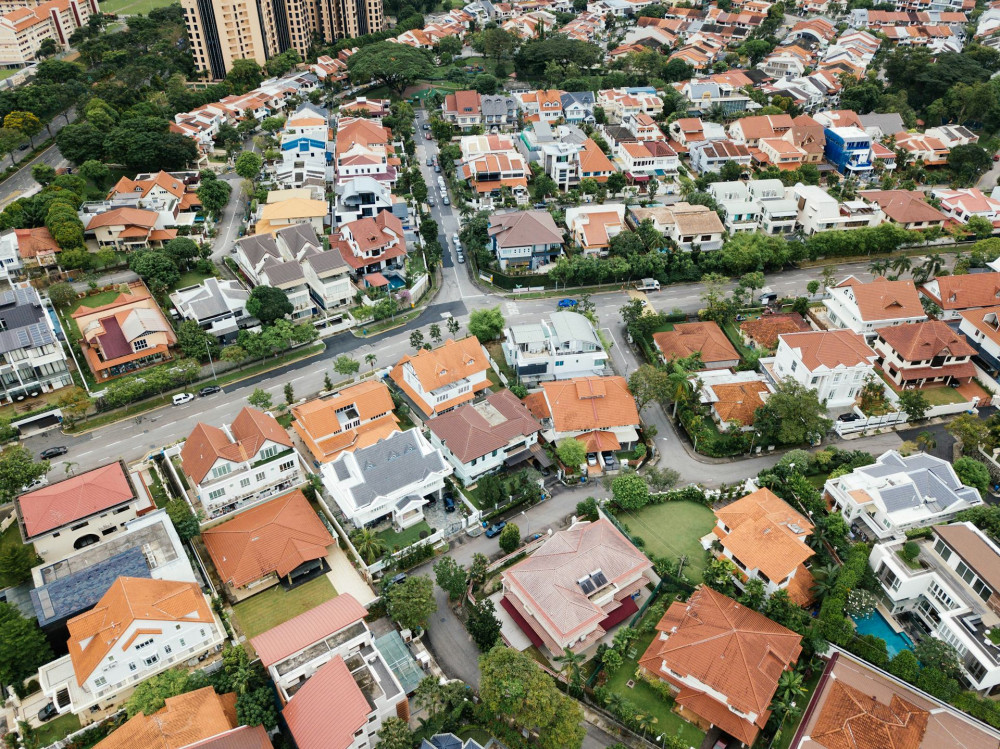
As urban infill projects become more common, garages are being built closer to property lines and neighboring homes. This proximity raises new concerns about privacy, aesthetics, and light access. Updated zoning codes in many cities now include stricter guidelines for garage height, setbacks, and design to ensure that new structures blend harmoniously with their surroundings.
Architectural review boards often encourage the use of materials and colors that complement existing homes, as well as design features that minimize visual impact. The aim is to balance density with livability—ensuring that compact urban neighborhoods remain attractive and comfortable places to live.
The Garage as Part of the Green City
In the context of sustainable urban design, the garage is increasingly viewed as part of a larger ecological system. It can serve as a site for solar energy generation, rainwater collection, or even small-scale urban agriculture. Some architects are experimenting with integrating garages into shared courtyards or community spaces, where they double as storage, workshops, or social areas.
This holistic approach redefines the garage as an active component of the city’s green infrastructure—one that supports both environmental goals and community well-being.
Rethinking Everyday Architecture
The evolving regulations around garages and urban densification reflect a broader cultural shift: the desire to align everyday architecture with sustainability and flexibility. The garage may seem like a minor element in the urban landscape, but it tells a larger story about how Americans are adapting to new environmental and social realities.
As cities grow upward and inward, building smarter becomes essential. In that process, even the garage—once a symbol of car-centric living—can become a model for how ordinary spaces contribute to a more sustainable and adaptable urban future.
Læs også: