How to Keep Your Renovated Garage Neat and Functional for Years to Come


How to Keep Your Renovated Garage Neat and Functional for Years to Come
After investing time, effort, and money into renovating your garage, it’s only natural to want to preserve the results for as long as possible. A well-maintained garage isn’t just nice to look at—it makes everyday life easier, protects your belongings, and can even boost your home’s value. Here’s a practical guide to keeping your renovated garage neat and functional for years to come.
Start with a Solid Organization System
Garages have a way of turning into catch-all storage spaces for everything that doesn’t fit inside the house. Clutter is the biggest enemy of both functionality and maintenance, so it’s important to establish a clear structure from the start.
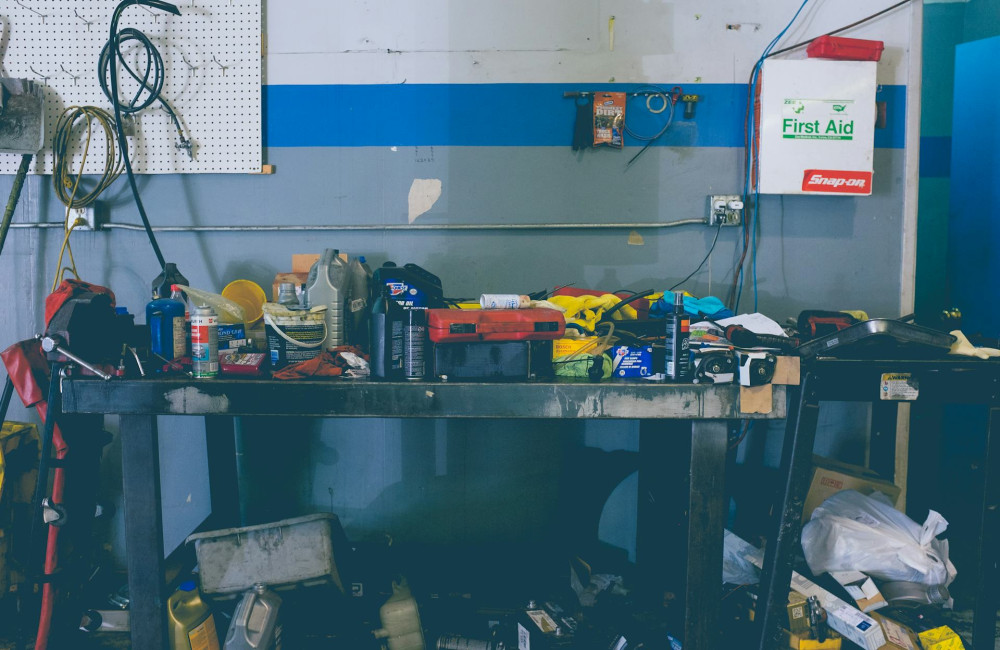
- Create zones – Divide the space into areas: one for your car, one for tools, one for storage, and maybe a small workspace.
- Use wall space – Install shelves, pegboards, and hanging systems to keep the floor clear.
- Label bins and containers – It saves time when you’re looking for something and makes it easier to keep things in order.
A consistent system helps you stay organized and prevents your garage from slipping back into chaos.
Maintain Floors and Walls
After a renovation, surfaces look fresh and new—but they need some care to stay that way.
- Floors: If you have an epoxy or sealed concrete floor, clean it regularly with a mild detergent and avoid harsh chemicals. Wipe up oil, salt, and chemical spills quickly to prevent staining or corrosion.
- Walls: Dust and wipe down walls a few times a year. If they’re painted, consider a light touch-up every few years to keep them looking fresh.
- Ceiling: Check for signs of moisture or discoloration, which could indicate a roof leak.
Small repairs done early can prevent bigger, more expensive problems later.
Control Moisture and Temperature
Moisture is one of the biggest threats to both your garage and the items stored inside. Make sure the space is well-ventilated—either through vents or a small exhaust fan.
If you use your garage as a workshop, a dehumidifier can be a great investment, especially in humid or coastal areas. It helps prevent rust, mold, and damage to tools, paint, and electronics.
An insulated garage door and proper weatherstripping also help maintain a stable temperature and reduce energy costs if you heat or cool the space.
Take Care of Doors and Openers
Your garage door is one of the most frequently used and exposed parts of the structure. Lubricate hinges, springs, and moving parts at least once a year, and make sure the door closes tightly.
If you have an automatic opener, test the safety features regularly—especially the sensors that stop the door if something is in the way.
Inspect side doors and windows for cracks in seals or peeling paint to prevent moisture from getting in.
Create Good Lighting
Good lighting makes your garage more inviting and practical. LED fixtures are energy-efficient and provide bright, clear light suitable for both parking and projects.
Consider adding task lighting over your workbench and motion sensors that turn lights on automatically when you enter. It saves energy and adds convenience.
Læs også:


Make Cleaning a Habit
A quick cleanup every few weeks goes a long way. Sweep or vacuum to remove dust, leaves, and debris before they build up.
Set aside half an hour each month to check for moisture, tidy up, and handle small repairs. Regular upkeep is much easier than tackling a major cleanup once a year.
Use the Space Regularly
A garage that’s used often stays in better shape. When you spend time working, fixing, or organizing there, you’ll notice small issues before they become big ones.
Plus, the more you use the space, the more it becomes an integrated part of your home—a place you enjoy rather than just a storage area. That’s the best way to ensure your renovated garage stays neat, functional, and enjoyable for many years to come.
Læs også: