Gentle Energy Renovation of Older Buildings

Gentle Energy Renovation of Older Buildings
Older buildings often hold a special charm – high ceilings, handcrafted details, and materials that tell stories from another era. Yet, they can also be energy-challenged, with drafty windows, poor insulation, and high heating or cooling costs. Energy renovation can therefore be a wise investment – for the environment, comfort, and your wallet. The challenge is to do it in a way that respects the building’s original character and materials. Here’s a guide to how you can gently improve the energy performance of an older building while preserving its soul.
Understand the Building Before You Begin
Before planning any renovation, it’s essential to understand how the building was constructed and what materials it’s made of. Many American homes built before the 1960s use materials and methods that allow the structure to “breathe,” such as solid wood framing, lime-based plaster, and brick masonry. If you seal or insulate incorrectly, you can trap moisture and cause long-term damage.
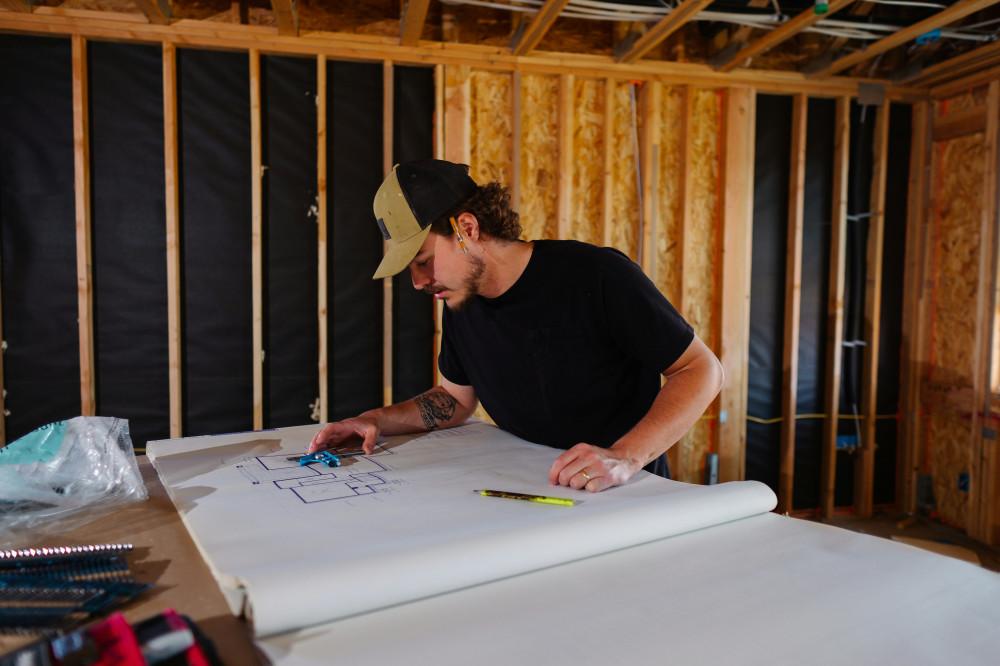
Start with a thorough building assessment. A home energy audit by a professional experienced in historic or older homes can help identify where energy is lost and which solutions are most appropriate for your building type.
Insulation with Respect for the Structure
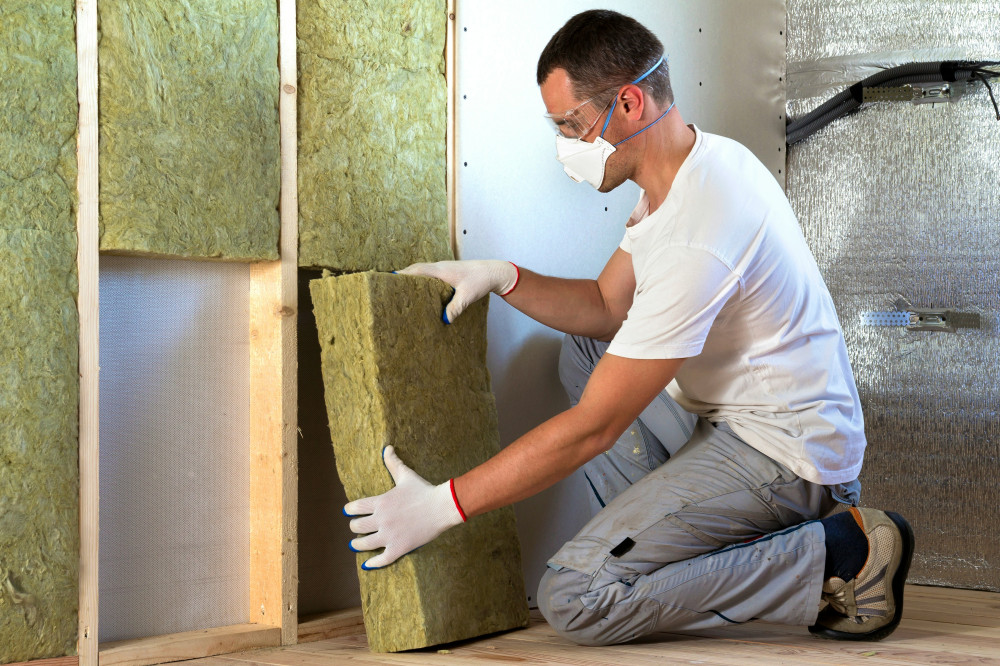
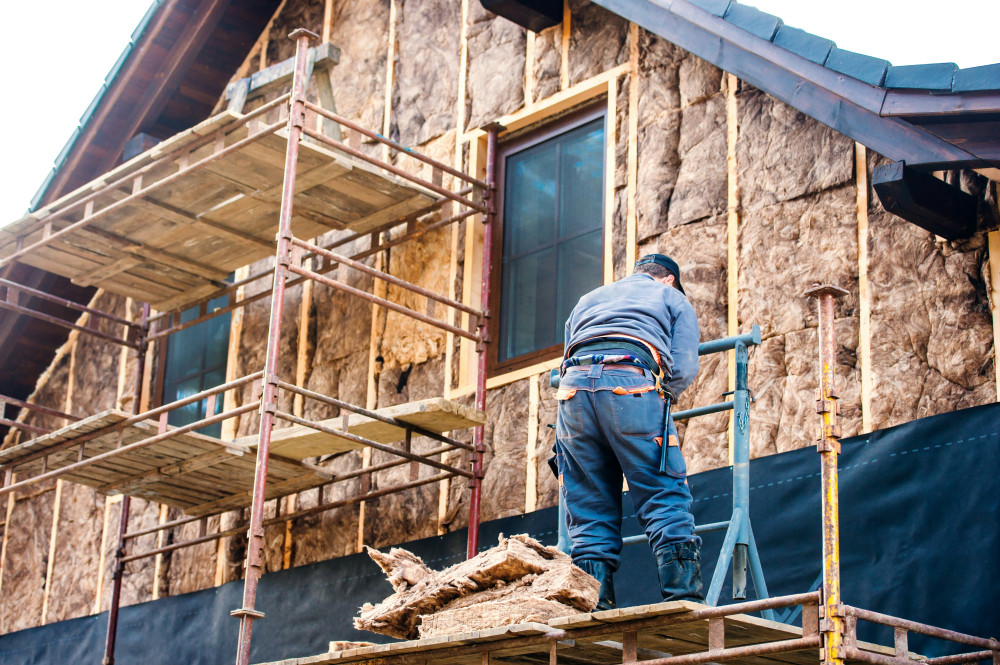
Insulation is often the first thing that comes to mind when improving energy efficiency, but it must be done carefully to avoid harming the building’s integrity or appearance.
- Attic and roof: Adding insulation here is often the easiest and least invasive step. Ensure proper ventilation so moisture can escape.
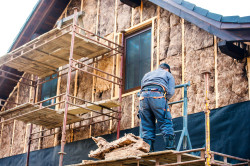
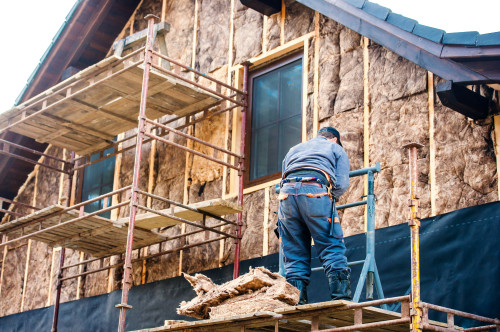
- Walls: Avoid exterior insulation if it would alter the façade’s historic look. Interior insulation can work, but it must be carefully designed to prevent condensation and cold spots.
- Floors and basements: Insulating below floors or basement ceilings can improve comfort, but pay attention to moisture control and drainage.
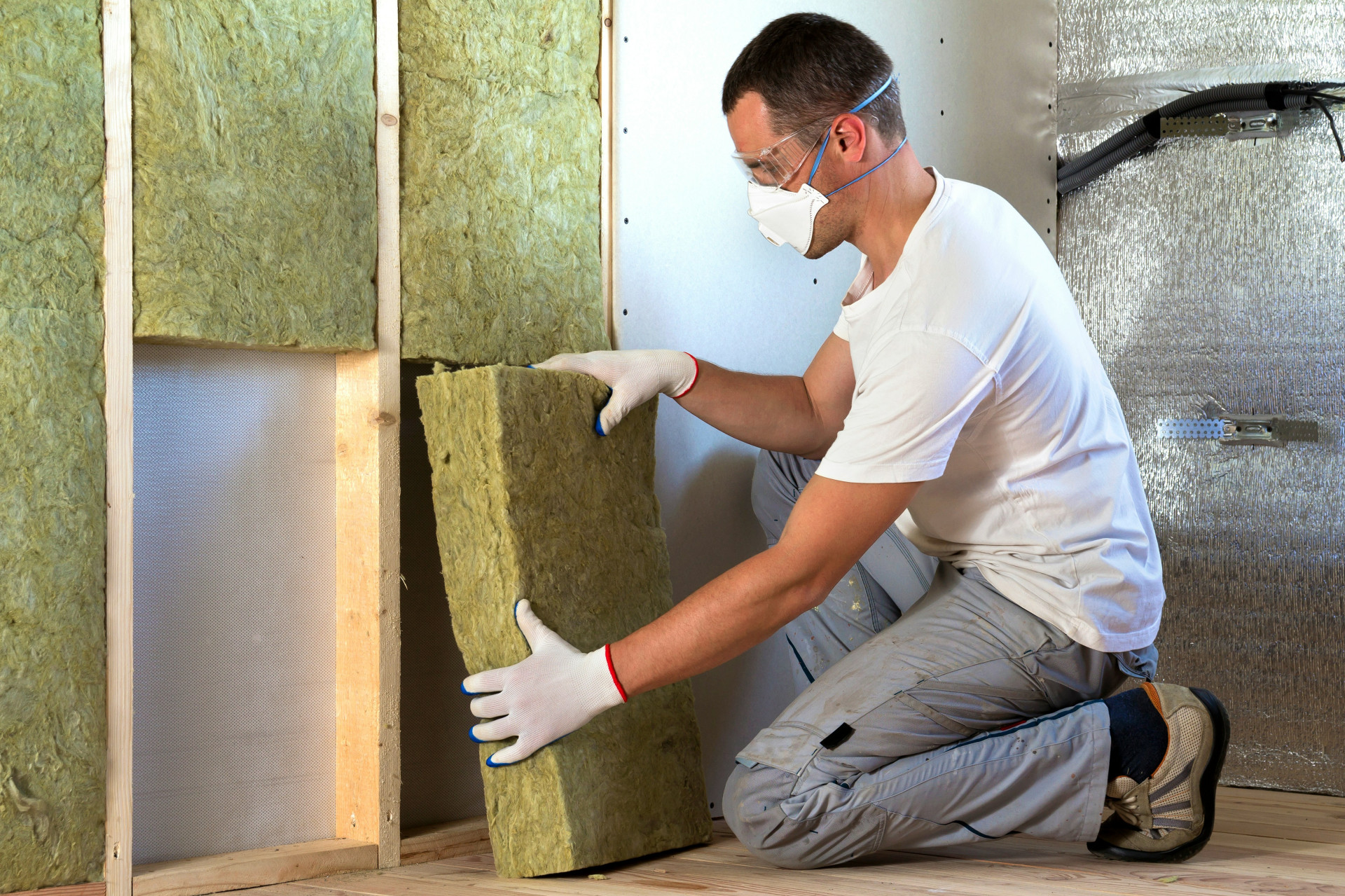
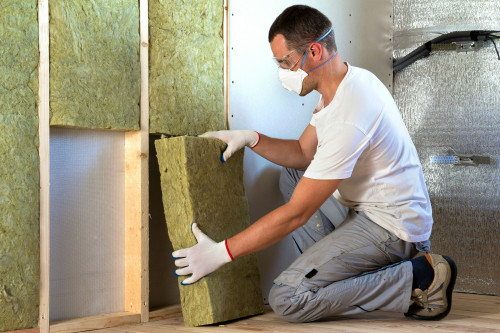
Natural or vapor-permeable materials such as cellulose, wood fiber, or mineral wool can be good choices because they work in harmony with older materials and allow moisture to move safely through the structure.
Windows – Repair or Replace Thoughtfully
Windows are often a defining feature of older homes. While they may seem inefficient, many older wood windows are made from high-quality lumber that can last for generations if properly maintained.
Before replacing, consider restoring existing windows: repair frames, add weatherstripping, and install energy-efficient storm windows or low-emissivity glass. This can achieve nearly the same energy savings as full replacement while preserving the home’s character.
If replacement is unavoidable, choose new windows that match the originals in style and material. Avoid vinyl windows in historic homes – they rarely fit the aesthetic and can disrupt the building’s moisture balance.
Læs også:
Heating, Cooling, and Ventilation
Upgrading your heating and cooling systems can yield major energy savings. Depending on your region, options include high-efficiency furnaces, air-source or ground-source heat pumps, or even district heating in urban areas. Choose a system that fits the home’s size, insulation level, and local climate.
Ventilation is equally important. As you tighten the building envelope, ensure there’s still adequate air exchange. A balanced ventilation system with heat recovery can be an excellent solution, but in historic homes, simpler options like trickle vents, window vents, or humidity-controlled fans may be more appropriate and less intrusive.
Preserve the Aesthetic Character
A gentle energy renovation is not just about technology – it’s also about aesthetics. Many older buildings lose their charm when modern materials or designs clash with the original style. Work with contractors who understand traditional craftsmanship and materials such as wood, plaster, and brick.
When choosing colors, finishes, and details, aim to complement the home’s original look. Modernizing can be tempting, but often the greatest value lies in preserving authenticity.
Think Holistically and Long-Term
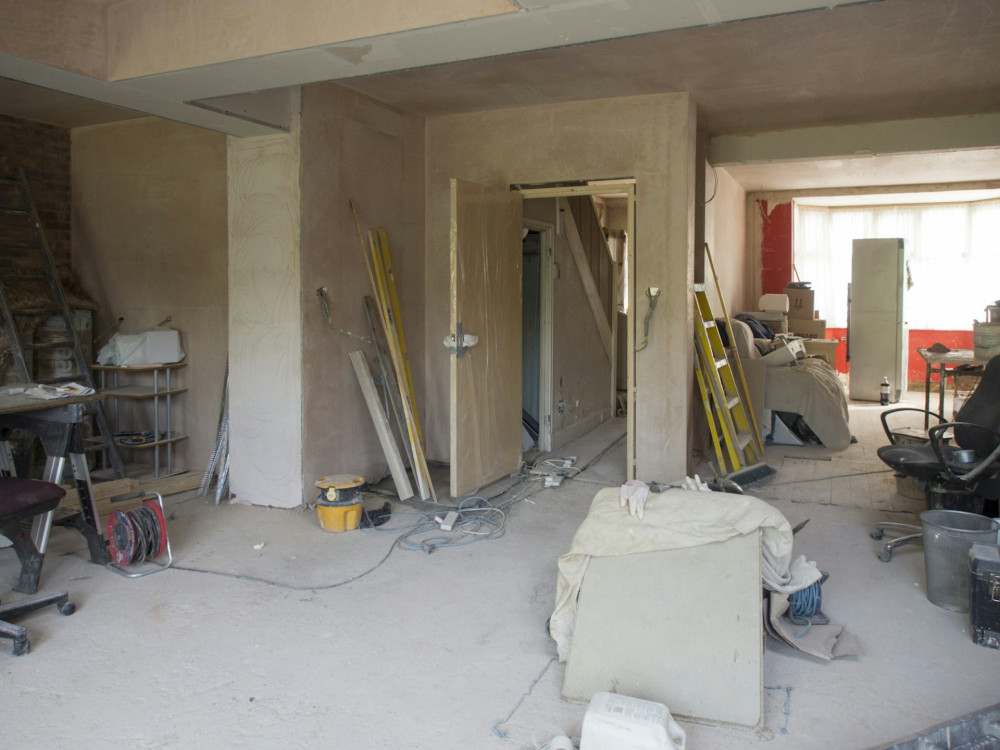
Energy renovation should be viewed as a holistic process where comfort, cost, sustainability, and aesthetics go hand in hand. It’s often better to take small, well-planned steps over time than to rush into a full renovation that risks damaging the building.
Create a plan that prioritizes the most effective and least invasive measures first – for example, sealing air leaks, insulating the attic, and upgrading heating or cooling systems. This approach allows you to gradually improve energy performance while maintaining the building’s integrity.
An Investment in Both Past and Future
Gently renovating an older building for energy efficiency requires patience and knowledge, but the results are worth it. You’ll enjoy a healthier indoor climate, lower energy bills, and a home that continues to tell its story – now with a greener footprint.
When you work with respect for a building’s history, energy renovation becomes more than a technical project. It becomes a way to unite the craftsmanship of the past with the sustainability of the future.
Læs også: