Lighting for Apartment Kitchens – Small Spaces, Big Light

Lighting for Apartment Kitchens – Small Spaces, Big Light
Lighting a small apartment kitchen can be tricky. Space is limited, ceilings are often low, and natural light may be scarce. Still, with the right approach, you can make your kitchen feel bright, open, and welcoming. Here’s how to bring big light into a small space.
Start by Understanding Your Needs
Good lighting design begins with how you use your kitchen. Do you mostly cook, eat, work, or socialize there? Most apartment kitchens serve multiple purposes, so layering different types of light is key.
- Task lighting – bright, focused light for cooking, chopping, and cleaning.
- Ambient lighting – general illumination that makes the whole room feel bright.
- Accent or mood lighting – softer light that adds warmth and personality.
Think in layers: your lighting should adapt to different times of day and activities.
Læs også:
Ceiling Fixtures – Keep It Slim and Smart
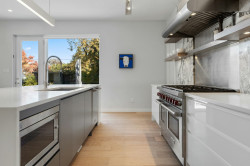
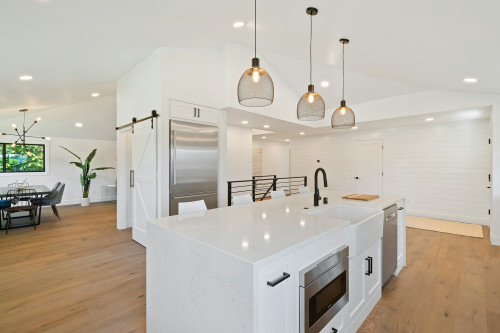
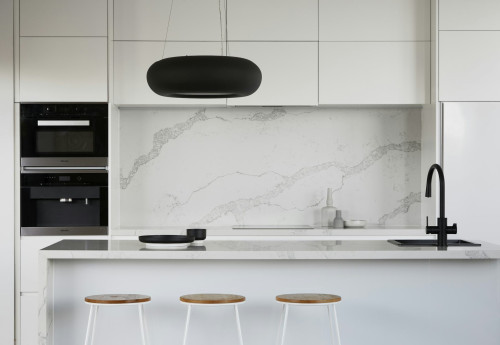
In small kitchens, bulky ceiling fixtures can make the space feel cramped. Skip oversized pendants and go for flush-mount or recessed LED lights instead. These provide even illumination without taking up visual space.
If your ceiling is low, choose fixtures that spread light widely. This helps bounce light off the walls and ceiling, making the room appear larger and more open.
Under-Cabinet and Over-Cabinet Lighting – Small Details, Big Impact
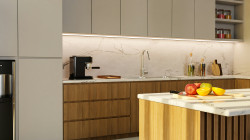
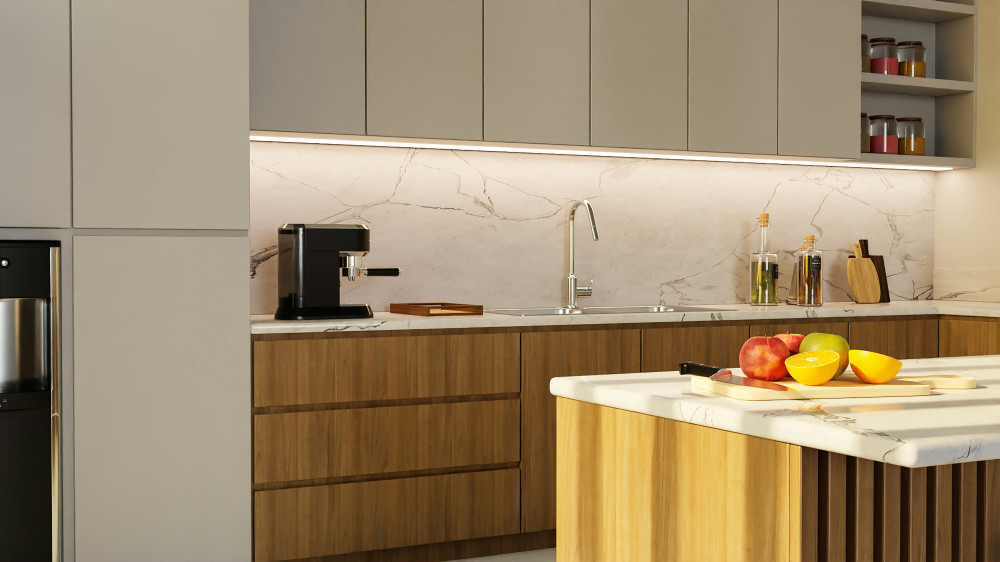
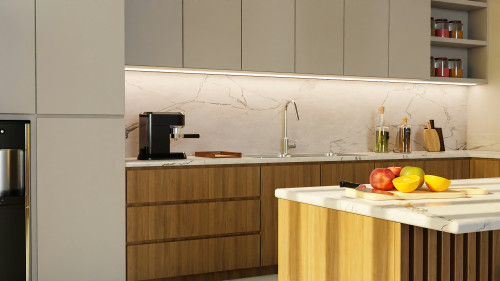
One of the easiest ways to brighten a compact kitchen is to install under-cabinet lighting. LED strips or puck lights under upper cabinets provide direct light on countertops, eliminating shadows and improving visibility.
You can also add LED strips above cabinets to cast a soft glow upward. This trick visually lifts the ceiling and gives the kitchen a more spacious feel.
Choose the Right Color Temperature
Light isn’t just about brightness—it’s also about mood. In kitchens, a neutral white light (around 3000–4000 Kelvin) works best. It keeps colors true and makes food look appealing.
For evening relaxation, add warmer light (around 2700 Kelvin) in dining or seating areas. Dimmable bulbs or smart lighting systems let you shift from bright task lighting to cozy ambiance with ease.
Use Surfaces to Reflect Light
In small spaces, your finishes can help amplify light. Light-colored walls, glossy tiles, and reflective countertops bounce light around the room, making it feel larger. Avoid dark, matte surfaces that absorb light.
A mirror or glass backsplash can also enhance brightness by reflecting both daylight and artificial light—an easy way to double the glow without adding more fixtures.
Dimmers and Flexibility
A well-lit kitchen should be flexible. Dimmable LEDs or smart lighting controls let you adjust brightness for different needs—from morning coffee to late-night snacks.
Consider separate switches for different zones, so you can light only the areas you’re using. This saves energy and gives you more control over the atmosphere.
Make Lighting Part of the Design
While functionality comes first, lighting can also express your style. A small pendant over a breakfast nook, a vintage-inspired wall sconce, or a hidden LED strip behind a shelf can add character and warmth.
In an apartment kitchen, balance is everything—creating a space that’s both practical and inviting. With thoughtful lighting choices, even the smallest kitchen can shine bright and feel surprisingly spacious.
Læs også: