Raw Meets Refined – Use Contrasts in Materials

Raw Meets Refined – Use Contrasts in Materials
When raw meets refined, something special happens. The balance between rough and polished materials can give your home depth, character, and a sense of individuality. Mixing concrete with brass, wood with marble, or steel with velvet creates visual tension and tactile richness. It’s not about choosing one style over another, but about letting opposites complement each other in a way that feels intentional and harmonious.
Why Contrasts Work
Contrasts bring life to a space. When smooth surfaces meet rough textures, or cool metals sit beside warm woods, the result is a dynamic interplay that draws the eye and invites touch. It’s in the meeting of differences that a room gains soul.
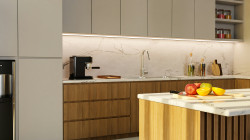
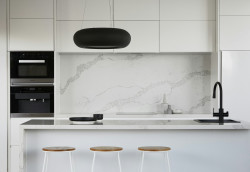
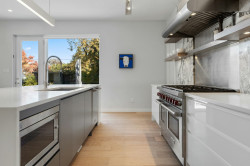
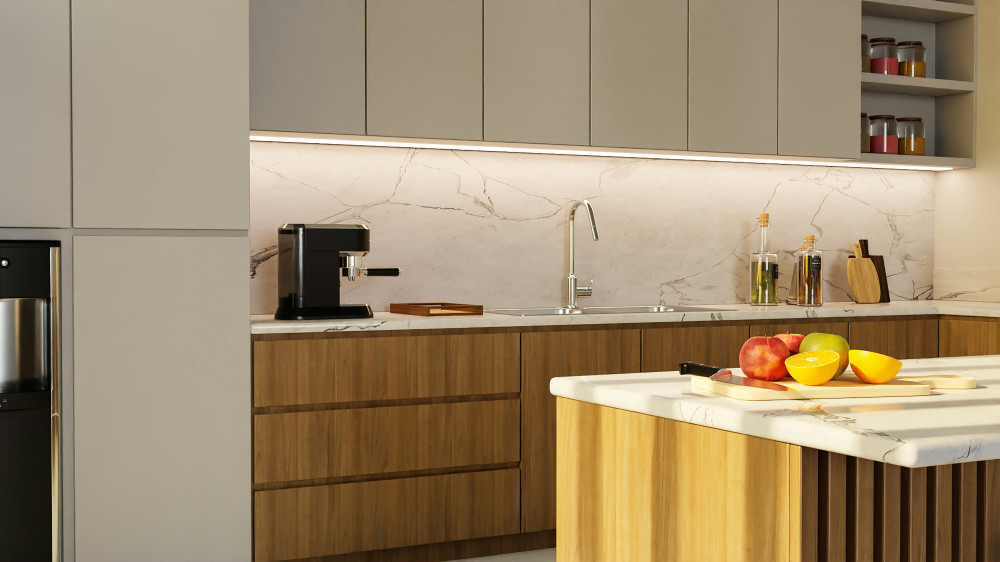
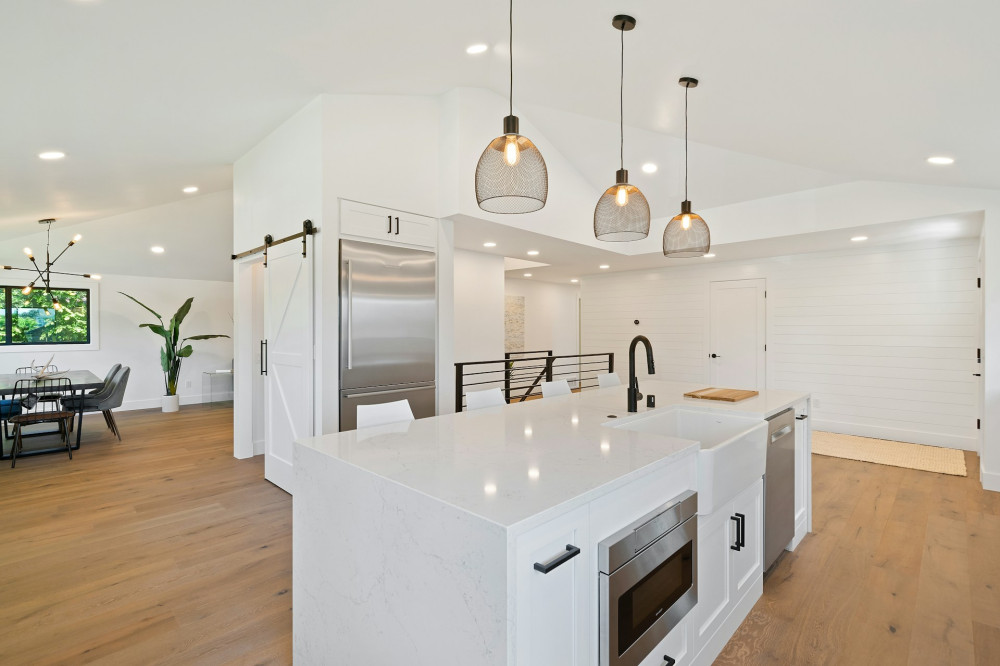
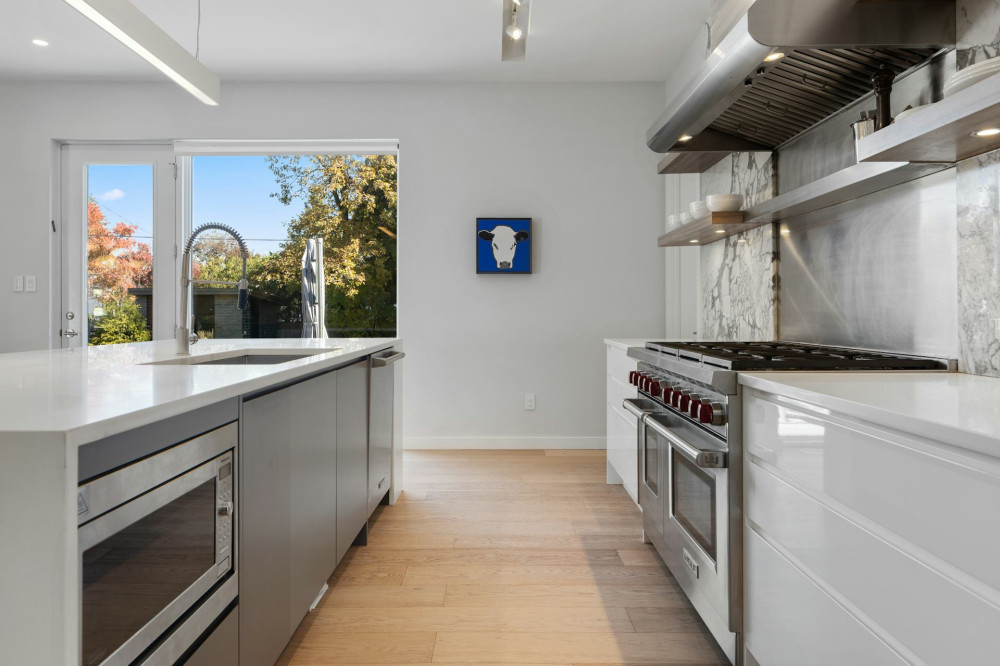
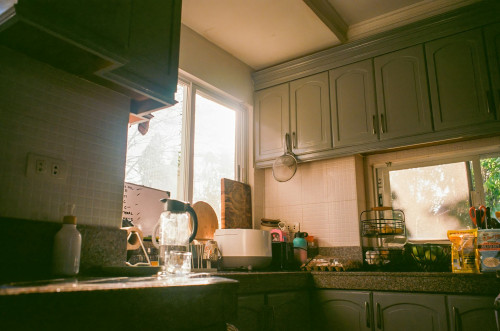
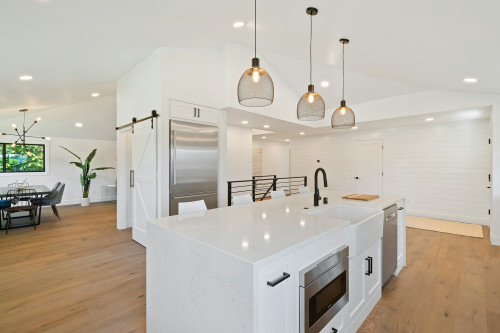
A kitchen with raw concrete countertops might feel stark on its own, but add touches of walnut or brushed brass, and it instantly becomes warmer and more inviting. Likewise, a traditional white kitchen can gain edge and sophistication with black steel accents or dark granite surfaces.
Start with a Foundation
When working with contrasts, begin by choosing one material as your foundation. This could be wood, stone, or metal—depending on the mood you want to create. Then, layer in materials that break up and balance the look.
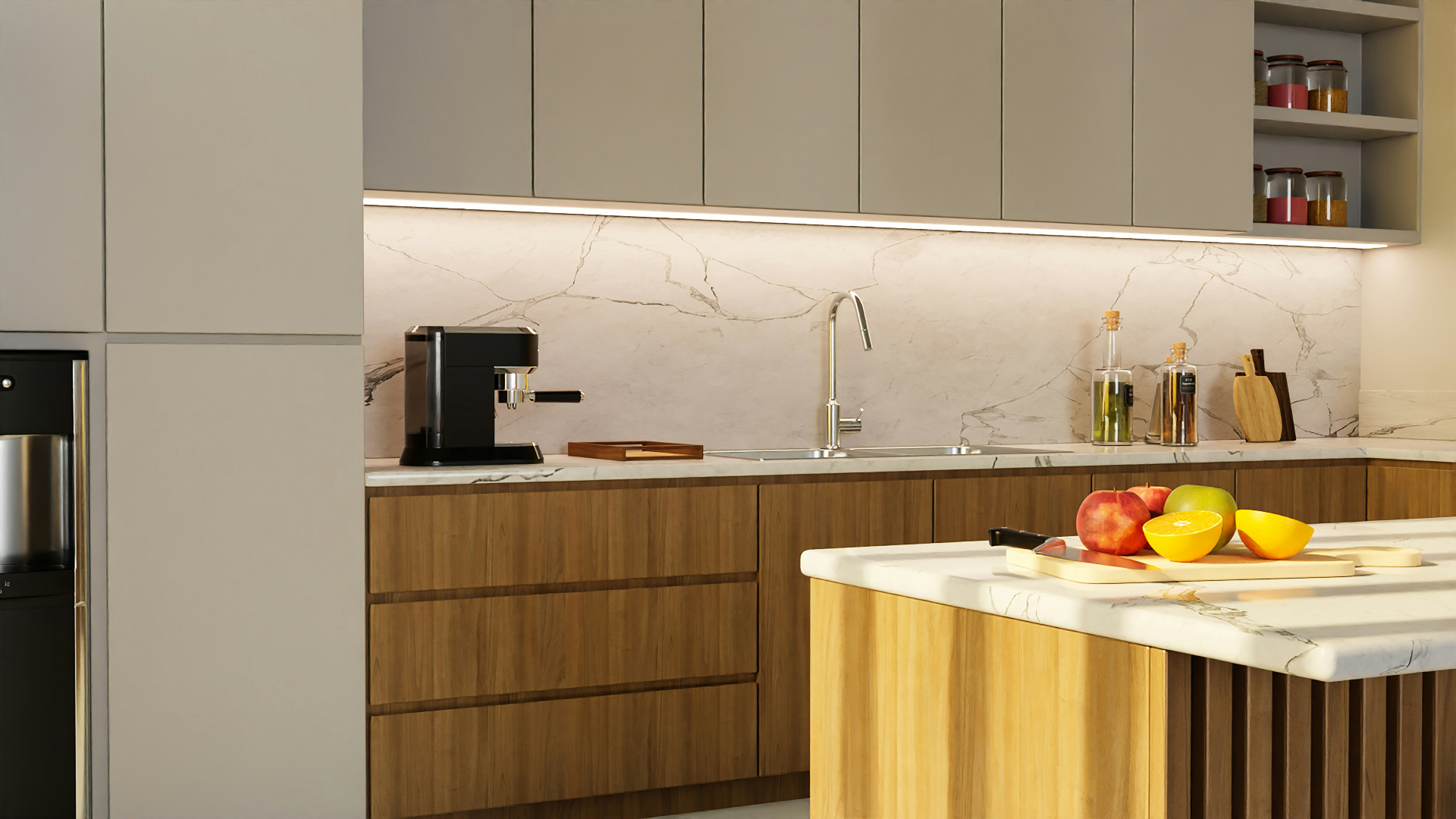
- Wood as a base: Brings warmth and a natural feel. Pair it with cool materials like glass or stainless steel for a modern contrast.
- Stone or concrete: Offers an industrial, grounded look. Soften it with textiles, greenery, or warm metallics.
- Metal: Adds shine and sophistication. Use it sparingly so it enhances rather than dominates the space.
The key is to make the contrasts feel deliberate, not random.
Læs også:
Play with Surfaces and Textures
Contrasts aren’t just about materials—they’re also about finishes. A matte wall beside a glossy countertop, or a rough-hewn wood beam next to smooth ceramic tiles, can create subtle yet powerful variation.
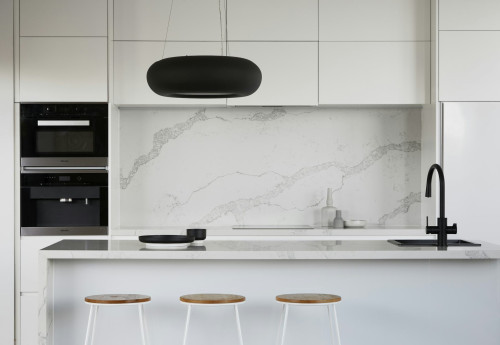
In the kitchen, try pairing matte cabinet fronts with glossy backsplash tiles, or let a textured stone wall serve as a backdrop for sleek, modern fixtures. These combinations add depth and make the space more engaging to live in.
Color as the Connector
Color can tie your contrasts together. A neutral palette of whites, grays, and beiges allows the materials themselves to shine. For a bolder look, darker tones can highlight raw elements and create a sense of luxury.
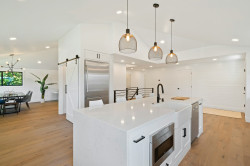
A simple trick is to repeat colors in small details—like using the same brass tone in cabinet pulls, light fixtures, and faucets—so the contrasts feel cohesive rather than chaotic.
Balance with Light
Lighting plays a crucial role when working with contrasting materials. Natural light brings out textures and tones, while artificial lighting can be used to set the mood.
Consider layering your lighting: spotlights to highlight surfaces, pendants over work areas, and soft ambient lighting to create warmth. This approach enhances contrasts without making the space feel harsh.
Add a Personal Touch
In the end, contrasts are about personality. It’s in the mix of rough and refined, old and new, that your home tells its story. A reclaimed wood dining table can look stunning with sleek metal chairs. An exposed brick wall can serve as a backdrop for soft textiles and contemporary art.
By daring to mix materials and styles, you create a home that feels alive—one that reflects your taste, your history, and your way of living.
Læs også: