Plan appliance maintenance to keep your budget on track

Plan appliance maintenance to keep your budget on track
Home appliances are the backbone of everyday life — they wash, dry, cool, and cook for us. But they’re also some of the most expensive items in the house, and when one breaks down, it can throw both your routine and your budget off balance. With regular maintenance, you can extend the life of your appliances, avoid costly repairs, and even save on energy bills. Here’s how to plan your maintenance so your appliances — and your finances — stay in good shape.
Know your appliances’ lifespan
Start by getting familiar with how long your appliances are expected to last. A washing machine typically runs for about 10–12 years, a refrigerator for 12–15 years, and a dishwasher for around 8–10 years. These numbers aren’t expiration dates, but they give you a sense of when to start paying closer attention.
Create a simple list of your appliances with purchase dates, model numbers, and warranty details. This makes it easier to plan for service, replacement, and budgeting down the road.
Cleaning — the most important maintenance step
Dust, grease, and mineral buildup are the biggest enemies of appliance efficiency. Regular cleaning can prevent many problems before they start.
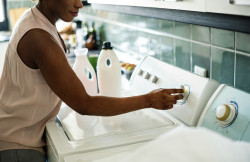
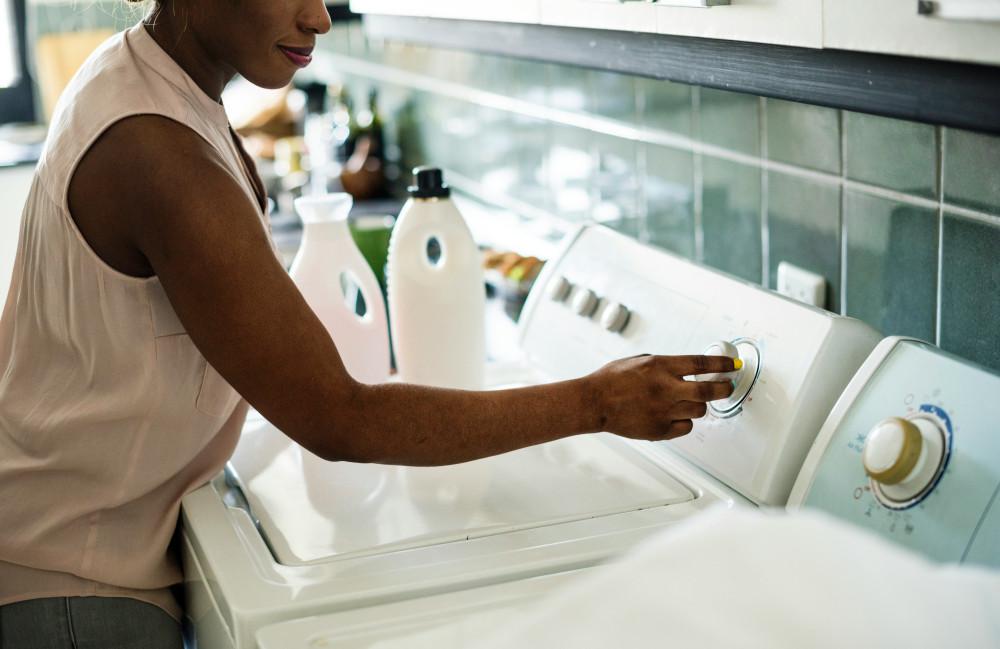
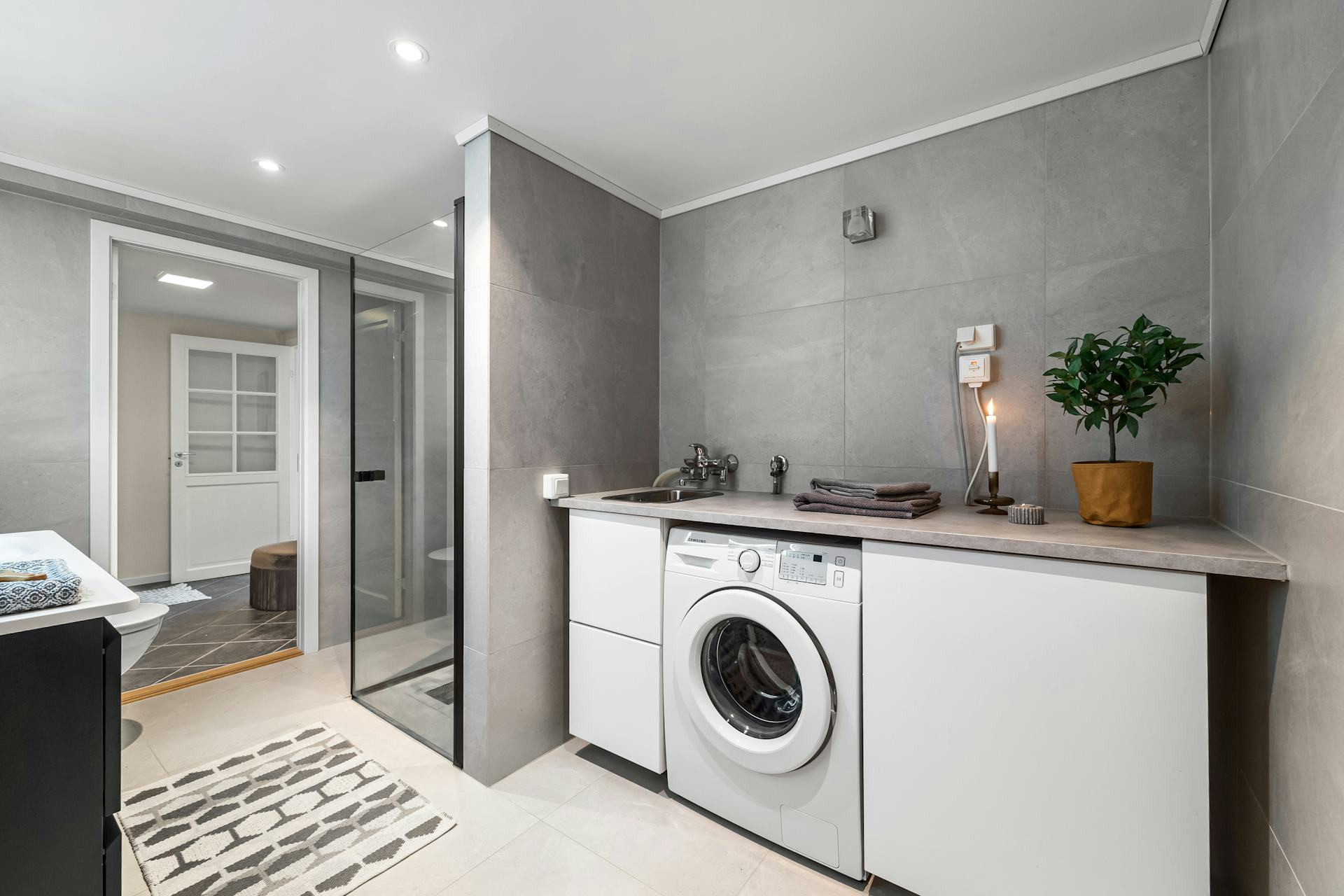
- Washing machine: Run an empty hot-water cycle with a cup of white vinegar or a washing machine cleaner once a month. Clean the lint trap and rubber gasket regularly to prevent mold and residue.
- Dishwasher: Remove food debris from the filter and run a cleaning cycle with a dishwasher cleaner. Check the spray arms for clogs.
- Refrigerator and freezer: Defrost the freezer when ice builds up, and wipe down shelves and door seals with mild soap and water. A clean fridge runs more efficiently.
- Range hood: Wash or replace the grease filter regularly — either in the dishwasher or by hand with warm, soapy water. A clogged filter reduces airflow and increases fire risk.
These small habits can significantly extend the life of your appliances and keep them running efficiently.
Schedule service and inspections
While most appliances can get by with regular cleaning, a professional inspection can be a smart investment — especially for older units. A technician can spot early signs of wear before they turn into expensive repairs.
Consider setting up a service schedule: every two years for washers and dryers, and every three years for refrigerators and freezers. Add reminders to your calendar so you don’t forget.
Læs også:
Prevent energy waste
Maintenance isn’t just about avoiding breakdowns — it’s also about saving energy. An appliance that runs efficiently uses less electricity and water.
- Keep your refrigerator temperature between 37–40°F and your freezer around 0°F.
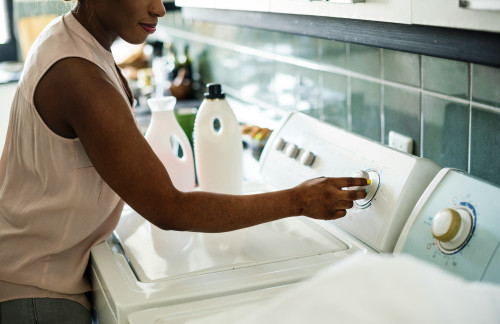
- Load machines properly — not too full, not too empty. Overloading strains the motor, while half loads waste energy.
- Vacuum the condenser coils on the back or bottom of your refrigerator; dust buildup can increase energy use.
- Replace worn door seals so appliances don’t have to work harder to maintain temperature.
Small adjustments like these can make a noticeable difference on your utility bills — and on your appliances’ lifespan.
Set up a maintenance budget
Even with good care, appliances will eventually need repairs or replacement. By setting aside a small amount each month, you can avoid financial surprises when that time comes.
A realistic budget might be $15–30 per month, depending on your household size and number of appliances. This fund can cover minor repairs, replacement parts, or contribute toward a new appliance when needed.
Think sustainably when replacing
When an appliance can’t be saved, think long-term. Choose energy-efficient models with low operating costs and durable designs. They may cost more upfront but will pay off through lower utility bills and fewer repairs.
Be sure to recycle old appliances properly. Most U.S. cities and retailers offer recycling programs that safely handle refrigerants and recover valuable materials.
A plan that pays off
By planning your appliance maintenance, you’ll get more years out of your machines and keep your budget steady. A few simple routines, a bit of organization, and a small monthly fund can make a big difference.
Taking care of your appliances means taking care of your wallet — and the environment.
Læs også: