Plan Ventilation and Air Circulation for New Construction and Renovation

Plan Ventilation and Air Circulation for New Construction and Renovation
A healthy indoor environment is essential for comfort, well-being, and the long-term durability of a building. Whether you’re constructing a new home or renovating an existing one, ventilation and air circulation should never be an afterthought. A well-designed plan for how air moves through your home can prevent moisture problems, mold growth, and unpleasant odors—while also keeping energy use in check. Here’s a guide to planning ventilation and air circulation for your next building project.
Why Ventilation Matters
Modern homes are built to be airtight for energy efficiency, but that also means less natural air exchange. Without proper ventilation, humidity, carbon dioxide, and pollutants from cooking, cleaning, and furnishings can build up indoors.
A good ventilation system ensures that fresh air is brought in and stale air is removed—without losing too much heat or cooling. This leads to a healthier indoor climate, reduces the risk of moisture damage, and creates a more comfortable living space.
Læs også:

Natural vs. Mechanical Ventilation
There are two main ways to ventilate a building: natural and mechanical.
- Natural ventilation relies on wind and temperature differences to move air through vents, windows, and openings. It’s simple and energy-efficient but can be difficult to control—especially in modern, tightly sealed homes.
- Mechanical ventilation uses fans to control airflow. This can range from simple exhaust fans in bathrooms and kitchens to balanced systems that both supply and exhaust air—often with heat recovery to reuse energy from outgoing air.
For new construction, most homeowners choose a balanced mechanical ventilation system. In renovations, a combination of natural ventilation and mechanical exhaust in moisture-prone areas is often the most practical solution.
Planning During Construction
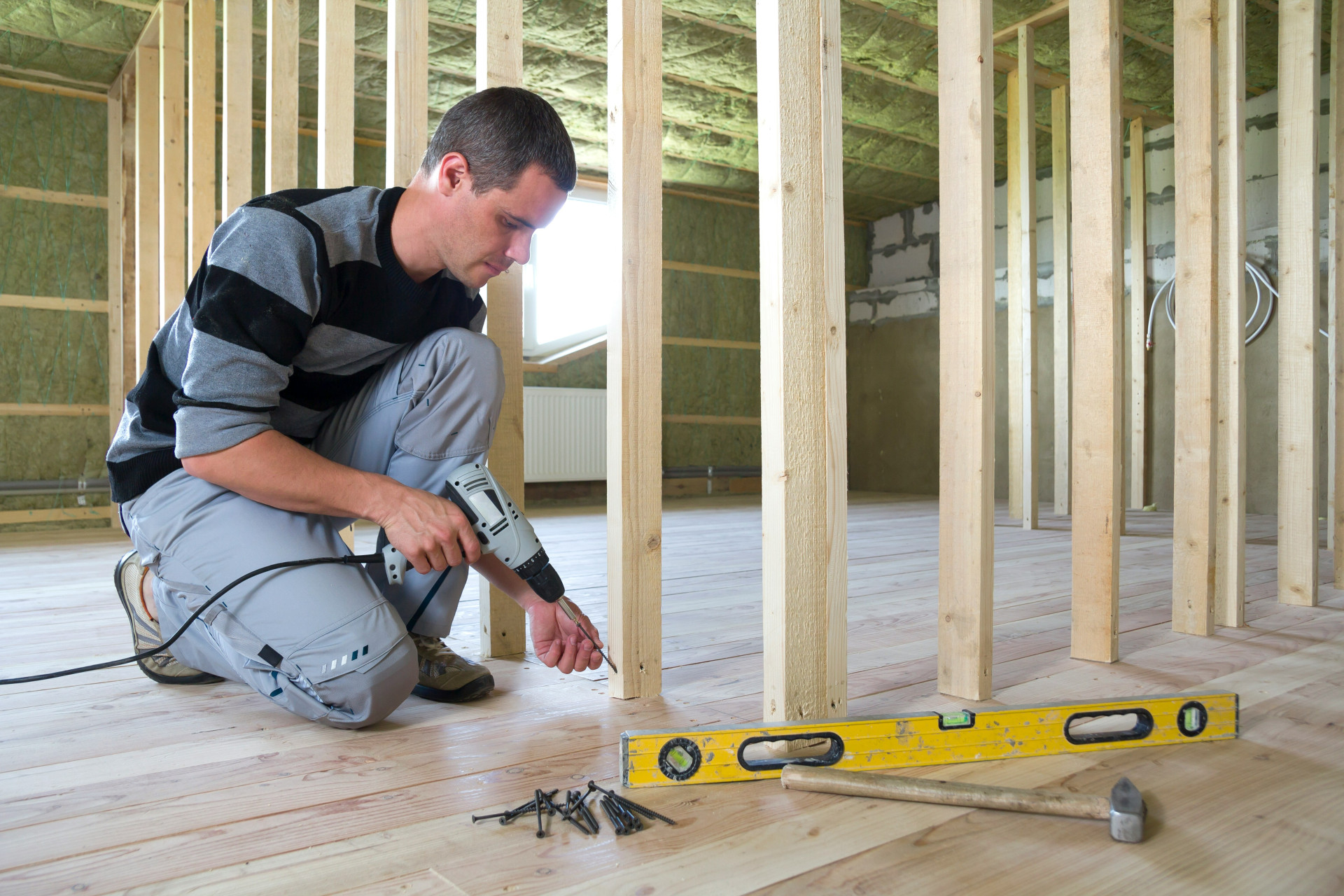
Ventilation should be considered early in the design process. The placement of ducts, vents, and equipment affects both performance and aesthetics.
- Locate the ventilation unit in an accessible area for maintenance—commonly in an attic, utility room, or mechanical closet.
- Plan duct routes to be as short and straight as possible to reduce noise and energy loss.
- Design airflow paths so that fresh air enters living spaces like bedrooms and living rooms and moves toward kitchens and bathrooms, where it’s exhausted.
- Insulate ducts that pass through unconditioned spaces to prevent condensation and heat loss.
A well-thought-out ventilation plan balances comfort, energy efficiency, and ease of maintenance—and should always be developed in collaboration with a qualified HVAC professional.
Ventilation in Renovation Projects
Adding a full ventilation system to an existing home can be challenging, especially in older buildings with limited space for ductwork. Consider these options:
- Decentralized ventilation units that install directly into exterior walls and ventilate one room at a time.
- Mechanical exhaust fans in kitchens and bathrooms combined with passive air inlets in living areas.
- Energy-efficient windows with built-in vents that allow controlled airflow without drafts.
Even small improvements can make a big difference in indoor air quality—especially when combined with better insulation and air sealing.
Air Circulation and Comfort
Ventilation isn’t just about removing moisture and pollutants—it’s also about maintaining comfortable air movement and temperature. Too much airflow can cause drafts, while too little can lead to stagnant air.
- Make sure supply vents don’t blow directly onto seating or sleeping areas.
- Balance supply and exhaust airflow to maintain consistent pressure and comfort.
- Clean filters and vents regularly to keep the system efficient and the air fresh.
Modern ventilation systems can automatically adjust based on humidity, CO₂ levels, or time of day, ensuring a stable indoor climate with minimal effort.
Energy Efficiency and Sustainability
Ventilation uses energy, but the right system can minimize consumption. A heat recovery ventilator (HRV) or energy recovery ventilator (ERV) can reclaim up to 85% of the heat from exhaust air. Choose energy-efficient fans and demand-controlled systems that run only when needed.
Combine mechanical ventilation with good insulation, shading, and natural ventilation on mild days to create a healthy, sustainable home with low energy use.
Fresh Air Is the Foundation of a Healthy Home
Ventilation and air circulation are not just technical details—they’re the foundation of a comfortable, durable, and healthy home. Whether you’re building new or renovating, invest in a system that fits your home’s size, layout, and energy goals. It’s an investment that pays off in comfort, health, and long-term value.
Læs også: