Safety in Woodworking – How to Choose and Use Personal Protective Equipment Properly

Safety in Woodworking – How to Choose and Use Personal Protective Equipment Properly
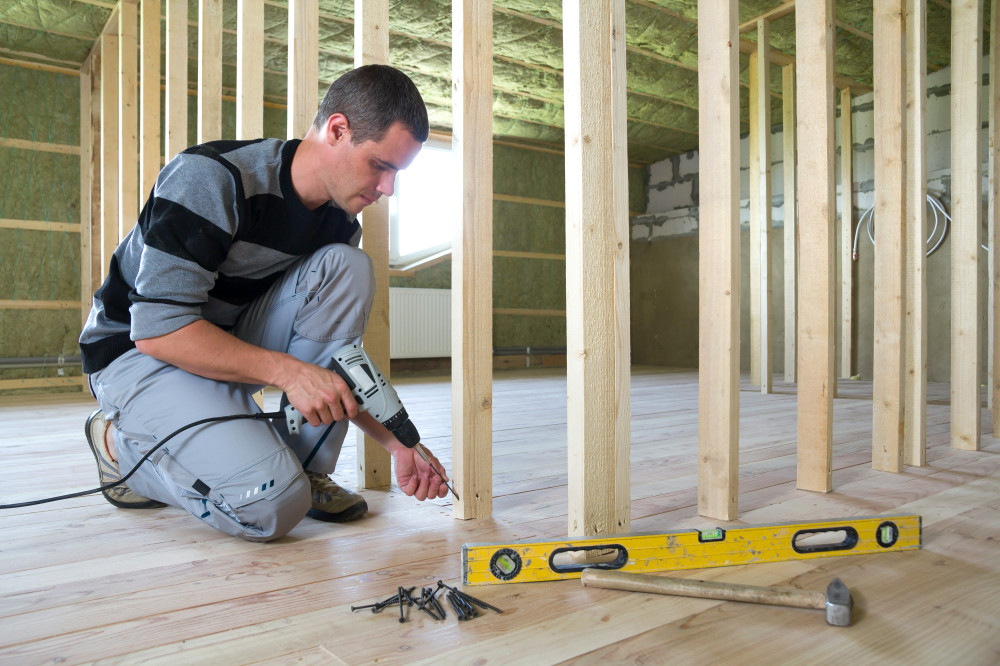
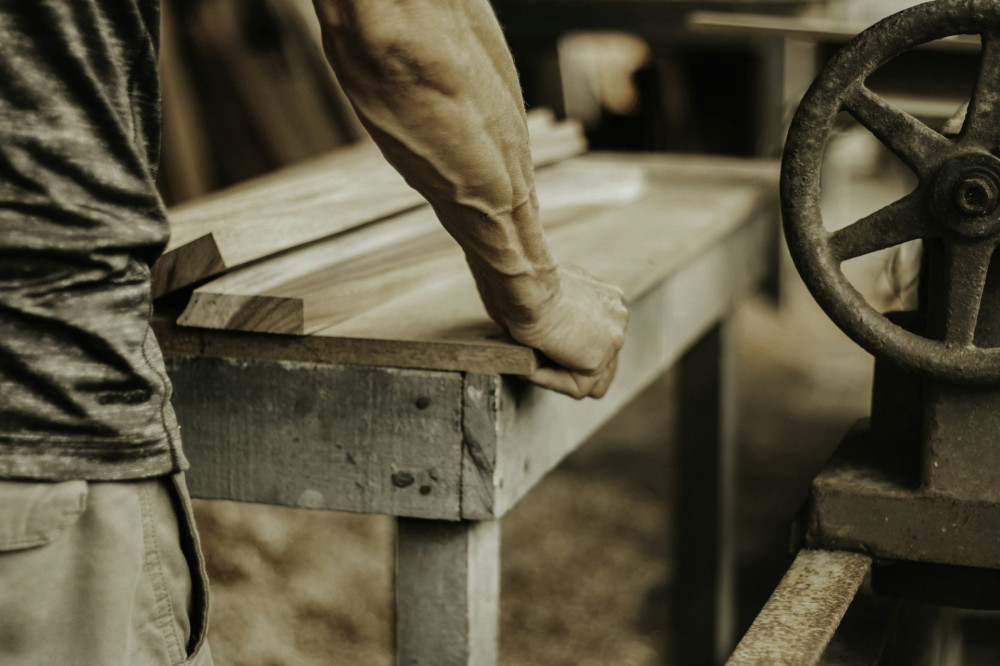
Woodworking can be deeply rewarding, whether you’re crafting furniture, building a deck, or simply enjoying a hobby in your garage. But it also comes with real hazards: sharp tools, flying debris, dust, noise, and heavy materials can all cause serious injuries if you’re not properly protected. Choosing and using the right personal protective equipment (PPE) is essential—not just to comply with safety standards, but to keep yourself healthy and injury-free. Here’s a practical guide to staying safe in your shop or on the job site.
Why PPE Matters
Even experienced woodworkers can have accidents. A moment’s distraction with a table saw or a burst of dust from sanding can lead to lasting harm. PPE is your last line of defense when other safety measures fail—and it can make the difference between a minor scare and a major injury.
Having the gear isn’t enough; you need to wear it correctly and consistently. Safety glasses hanging around your neck won’t protect your eyes when you need them most.
Eye and Face Protection
When cutting, sanding, or drilling wood, small chips and dust particles can fly in every direction. Your eyes are especially vulnerable, and even a tiny splinter can cause permanent damage.
- Safety glasses with side shields are the minimum protection for any power tool use.
- Face shields are recommended when using chainsaws, grinders, or other tools that can throw larger debris.
- Make sure your eyewear fits snugly and doesn’t fog up—if it’s uncomfortable, you’re less likely to keep it on.
Læs også:

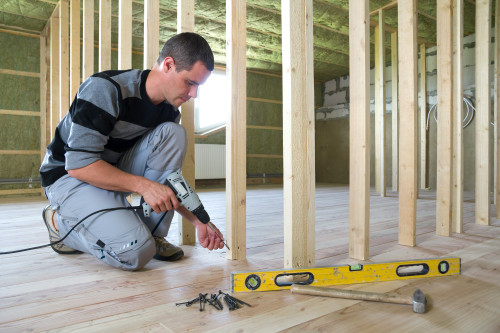
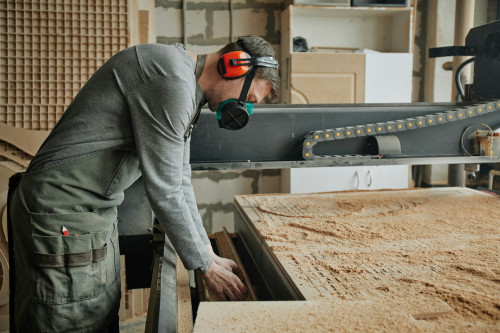
Hearing Protection – Guard Against Noise
Prolonged exposure to noise above 85 decibels can cause permanent hearing loss. Many power tools, such as planers, routers, and circular saws, easily exceed that level.
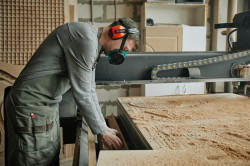
- Earmuffs provide strong noise reduction and are ideal for extended use.
- Earplugs can be more comfortable for short tasks or in hot environments.
- Consider electronic hearing protection that allows communication while reducing harmful noise levels.
Remember, hearing damage is irreversible—prevention is the only cure.
Respiratory Protection – Avoid Dust and Fumes
Wood dust isn’t just messy; it can be hazardous to your health. Fine particles from sanding or cutting, especially from plywood, MDF, or treated lumber, can irritate your lungs and even cause long-term respiratory issues.
- Dust masks (N95 or higher) protect against most wood dust.
- Respirators with filters are necessary when working with finishes, adhesives, or solvents.
- Always ensure good ventilation in your workspace—fresh air is one of the best safety measures.
Hands and Body – The Right Clothing
Your hands are your most valuable tools, and they’re often the first to get injured. At the same time, you need freedom of movement and control.
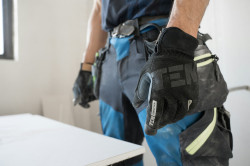
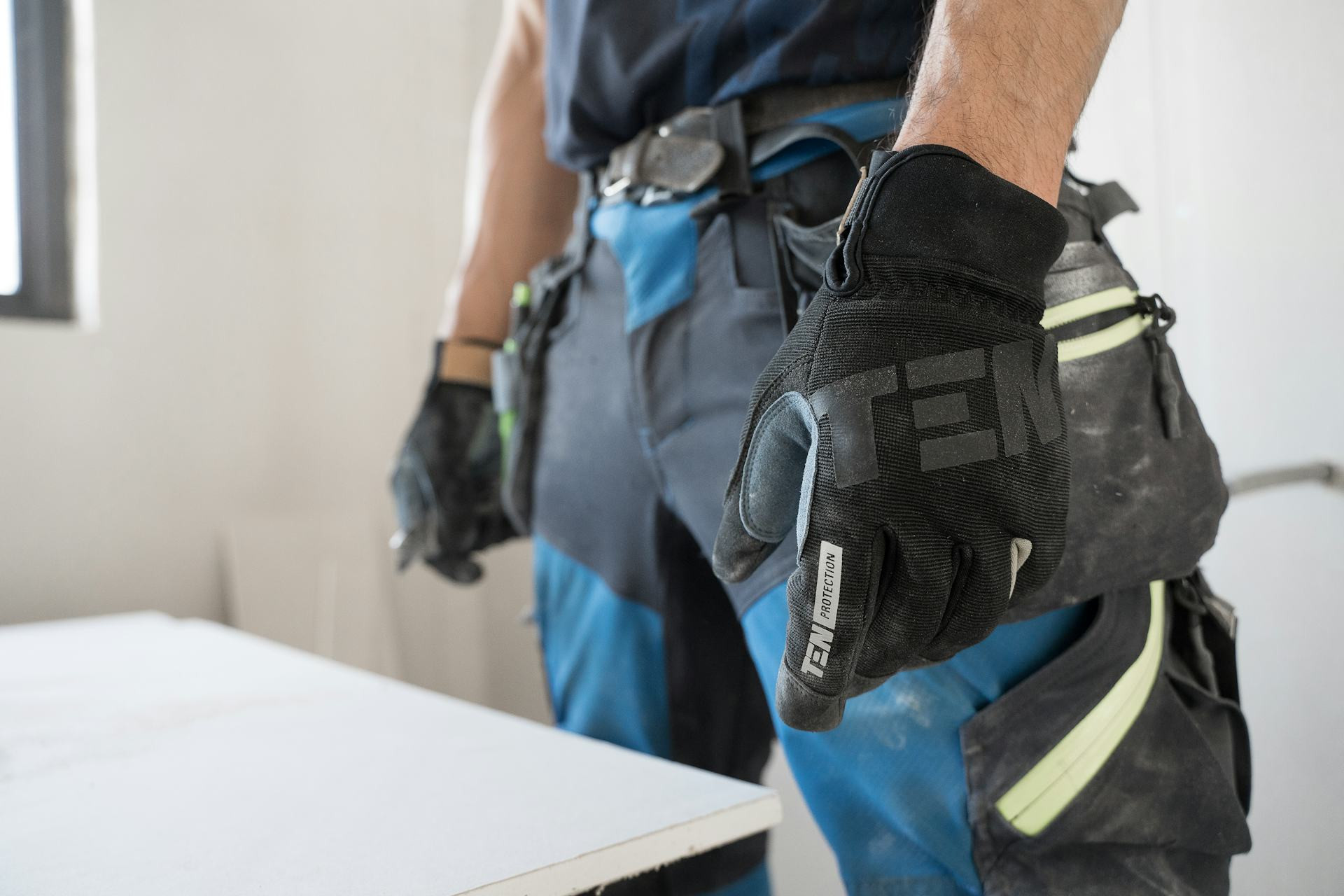
- Work gloves protect against splinters, cuts, and chemicals. Choose gloves suited to the task—thin gloves for precision work, heavy-duty ones for rough handling.
- Fitted clothing without loose sleeves, strings, or jewelry reduces the risk of getting caught in moving machinery.
- Safety boots with non-slip soles and toe protection guard against dropped materials and slick floors.
Never wear gloves when operating rotating tools like drill presses or lathes—they can catch and pull your hand in.
Head Protection and Visibility
In larger workshops or construction sites, there’s often a risk of falling objects or low beams.
- Hard hats are required in many professional settings and should always be worn where there’s a risk of head injury.
- High-visibility vests or clothing are important if you’re working around vehicles, forklifts, or in dimly lit areas.
Maintenance and Replacement
PPE doesn’t last forever. Dust, sweat, and wear can weaken materials over time.
- Clean safety glasses and respirators regularly.
- Replace filters, earplugs, and disposable masks according to manufacturer instructions.
- Inspect helmets, gloves, and boots for cracks or damage—and replace them if they’ve taken a hit.
Worn-out protective gear can give a false sense of security and may be more dangerous than none at all.
Build a Safety Culture
Safety isn’t just about equipment—it’s about habits. Keep PPE accessible, and make sure everyone in your workspace knows how to use it. Take time to train new workers or family members if you share your shop.
A strong safety culture starts with setting the right example—every single time you work.
Safety Is an Investment
Wearing PPE might feel inconvenient at first, but it pays off. You’ll work more confidently, focus better, and avoid costly injuries. Safety in woodworking isn’t about being overly cautious—it’s about being professional.
Læs også: