Timeless Table Designs: When Form and Function Endure Through the Years

Timeless Table Designs: When Form and Function Endure Through the Years
A table is more than just a surface with legs. It’s a gathering place, a workspace, and a piece of furniture that often stays with us for decades. Some tables fade with trends, while others remain—both physically and aesthetically—as timeless classics. But what makes a table design truly timeless? And how can you choose one that stands the test of time in both style and function?
When Design and Function Work in Harmony
The most enduring table designs are those where form and function are inseparable. A well-designed table isn’t just beautiful—it’s practical. Proportions, materials, and details all need to be carefully considered.
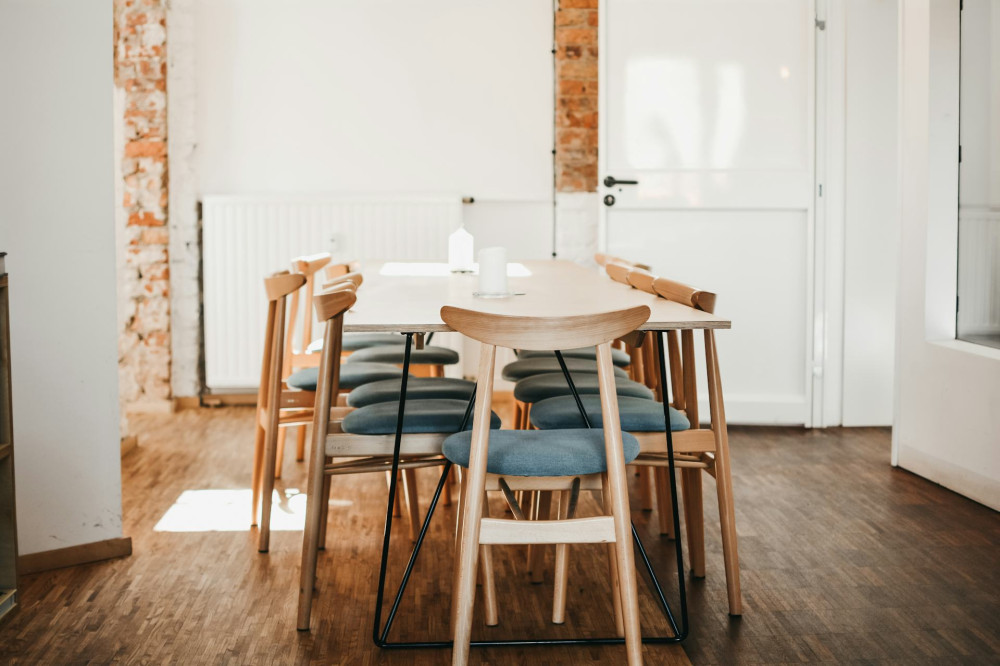
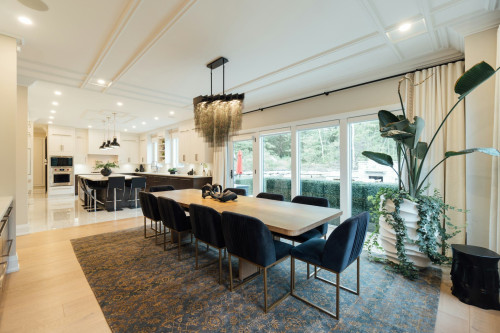
A dining table should accommodate both everyday meals and special occasions. A desk should encourage focus and organization. A coffee table should invite conversation without overwhelming the room. When a designer balances aesthetics with usability, the result is a piece that feels right year after year.
Materials That Age Gracefully
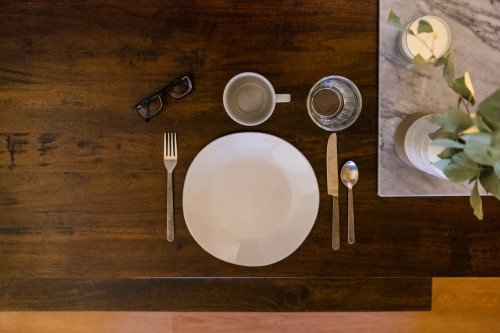
Another hallmark of timeless tables is the quality of their materials. Solid wood, steel, stone, and glass each have characteristics that make them durable—both physically and visually. An oak table develops a rich patina over time, while marble or granite can last for generations.
It’s often the honesty of materials that gives a design its longevity. When you can see and feel what a table is made of, it creates a connection between craftsmanship and function. This stands in contrast to mass-produced furniture, where imitation finishes and synthetic surfaces can quickly lose their appeal.
Icons That Set the Standard
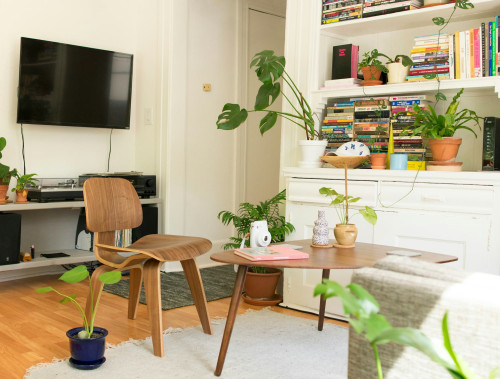
Throughout design history, certain tables have shown how simplicity and functionality can transcend trends. The Eames Dining Table by Charles and Ray Eames, the Noguchi Coffee Table, and the Saarinen Tulip Table are just a few examples of American design icons that continue to feel fresh decades after their debut.
What these designs share is restraint. They don’t chase fashion—they rely on proportion, material integrity, and craftsmanship that speak to our sense of balance and quality. They fit seamlessly into a variety of interiors precisely because they don’t demand attention; they enhance the space around them.
Flexibility and Sustainability in Modern Design
Today, timelessness also means sustainability. A table that adapts to different needs and spaces is more likely to stay in use for years. Extendable dining tables, modular designs, and responsibly sourced materials reflect a growing awareness of long-term value.
There’s also a shift toward buying fewer, better pieces. Many consumers now choose classic designs that can be refinished, repaired, or repurposed rather than replaced. After all, the most sustainable piece of furniture is the one you keep.
Læs også:

How to Choose a Table That Lasts
When selecting a table meant to stay with you for years, consider three key aspects:
- Proportion and purpose – Does the table fit your space and your lifestyle?
- Materials and craftsmanship – Is it made from durable, authentic materials that will age beautifully?
- Simplicity and balance – Does the design have a calm, enduring quality that won’t feel dated?
A table that meets these criteria rarely goes out of style. Instead, it becomes part of your daily rhythm—and perhaps even part of your story.
A Piece That Holds Life’s Moments
A timeless table isn’t just about design. It’s a piece that frames life’s many moments—from morning coffee to family dinners, from homework sessions to late-night talks. When form and function come together seamlessly, a table becomes more than furniture—it becomes a quiet witness to the years that pass around it.
Læs også: