The Role of the Roofing Underlayment: How It Protects the Roof Structure from Moisture

The Role of the Roofing Underlayment: How It Protects the Roof Structure from Moisture
The roofing underlayment is one of the most important yet often overlooked components of a roof system. Hidden beneath shingles or other roofing materials, it serves as a critical line of defense against water infiltration. Without a properly installed and maintained underlayment, moisture can penetrate the roof deck, leading to rot, mold, and costly structural damage. In this article, we’ll explore how roofing underlayment protects your home, the different types available in the U.S. market, and what to consider when replacing or installing a new roof.
What Is Roofing Underlayment – and Why Is It Necessary?
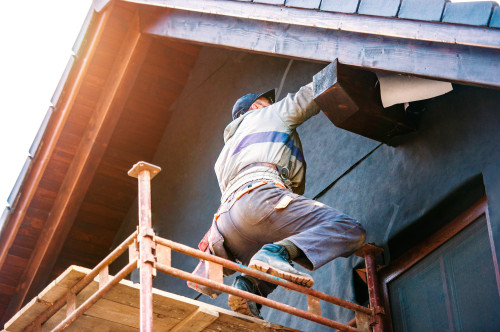
Roofing underlayment is the layer installed directly on top of the roof deck and beneath the outer roofing material, such as asphalt shingles, metal panels, or tiles. Its main purpose is to provide a secondary barrier against water intrusion. Even the best roofing materials can allow some moisture to pass through during heavy rain, wind-driven snow, or ice damming. The underlayment catches this moisture and channels it safely away from the roof deck.
Think of it as the roof’s raincoat—it keeps the structure dry even when the outer layer is exposed to harsh weather. At the same time, modern underlayments are designed to allow trapped moisture or vapor from inside the home to escape, preventing condensation buildup that could damage insulation or wood framing.
Common Types of Roofing Underlayment in the U.S.
There are several types of underlayment used in American roofing systems, each with its own advantages depending on climate, roof design, and budget.
- Asphalt-saturated felt (tar paper) – The traditional choice, available in 15-pound and 30-pound varieties. It provides decent water resistance and is still widely used, especially for asphalt shingle roofs.
- Synthetic underlayment – Made from polypropylene or polyethylene, this lightweight material is stronger, more tear-resistant, and more water-repellent than felt. It’s now the most common choice for residential roofs in the U.S.
- Rubberized asphalt underlayment – A premium option that includes adhesive backing and high waterproofing performance. It’s often used in vulnerable areas such as valleys, eaves, and low-slope sections where ice dams or standing water are more likely.
Choosing the right underlayment depends on your local climate and roofing material. For example, homes in humid or coastal regions may benefit from synthetic or rubberized products that resist moisture and mold growth.
How the Underlayment Protects the Roof Structure
A properly installed underlayment safeguards the roof in several key ways:
- Repels rain and snow – It prevents water that sneaks under shingles from reaching the roof deck.
- Prevents condensation damage – Breathable underlayments allow moisture vapor from inside the attic to escape, reducing the risk of condensation and mold.
- Acts as a wind barrier – It helps block wind-driven rain and dust from entering the attic space.
- Extends roof lifespan – By keeping the roof deck dry, it reduces the risk of rot and structural weakening, ultimately prolonging the life of the entire roofing system.
Common Problems and Installation Mistakes
Even the best underlayment can fail if it’s not installed or maintained correctly. Some of the most frequent issues include:
- Improper overlaps or seams – Gaps or misaligned overlaps can allow water to seep through.
- Tears or punctures – Damage during installation or from foot traffic can compromise the barrier.
- Poor ventilation – Without adequate attic ventilation, moisture from inside the home can accumulate and cause condensation.
- Aging and UV exposure – Prolonged exposure to sunlight before the roof covering is installed can degrade the material.
Regular roof inspections can help identify these issues early, especially after severe weather events.
When Should the Underlayment Be Replaced?
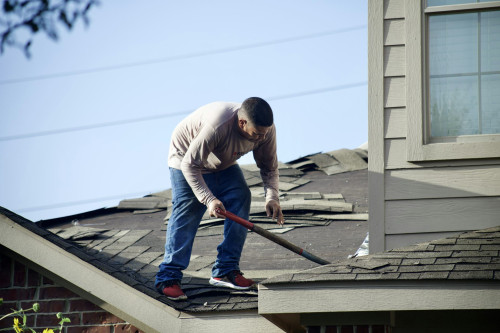
Underlayment typically lasts as long as the roof covering itself—about 20 to 50 years, depending on the material and environmental conditions. If you’re replacing your roof, it’s wise to replace the underlayment at the same time, even if it appears intact. Doing so ensures a complete moisture barrier and avoids the need to reopen the roof later.
Signs that your underlayment may need replacement include water stains on ceilings, musty odors in the attic, or visible deterioration when inspecting the roof deck.
Læs også:

A Strong Roof Starts with a Reliable Underlayment
While it may not be visible once the roof is complete, the underlayment plays a vital role in protecting your home from moisture damage. It keeps the roof structure dry, supports proper ventilation, and extends the life of your roofing system. By choosing the right material, ensuring professional installation, and maintaining your roof regularly, you can safeguard your home against the elements for decades to come.
Læs også: