Underfloor Heating and Comfort: How to Ensure Even, Cozy Warmth Throughout Your Home

Underfloor Heating and Comfort: How to Ensure Even, Cozy Warmth Throughout Your Home
For many homeowners, underfloor heating represents the ultimate in comfort. The gentle, even warmth that rises from the floor creates a cozy atmosphere without cold spots or drafts. It also frees up wall space by eliminating bulky radiators or baseboard heaters. But how do you make sure your system delivers consistent, efficient heat throughout your home? Here’s a guide to getting the most comfort and performance from your underfloor heating system.
Why Choose Underfloor Heating?
Underfloor heating distributes warmth evenly across the entire room because the heat radiates upward from the floor rather than concentrating in one area. This allows you to maintain a lower overall room temperature while still feeling comfortably warm. It’s also a more natural way for the body to experience heat—warm feet and a cooler head.
In addition to comfort, underfloor heating can be energy-efficient, especially when paired with modern heat sources such as heat pumps, high-efficiency gas furnaces, or solar thermal systems. Because it operates at lower water or surface temperatures than traditional systems, it can reduce energy consumption and lower utility bills.
Hydronic or Electric: Which Is Right for You?
There are two main types of underfloor heating: hydronic (water-based) and electric. The best choice depends on your home’s heating system, construction type, and usage patterns.
- Hydronic underfloor heating uses warm water circulated through pipes embedded in the floor. It’s the most energy-efficient option for whole-home heating and works especially well in new construction or major remodels where the system can be integrated into the floor structure.
- Electric underfloor heating uses heating cables or mats installed beneath the flooring. It’s easier to retrofit in specific rooms—like bathrooms, kitchens, or basements—and provides quick, responsive heat. However, it can be more expensive to operate as a primary heat source.
Many homeowners combine both systems: hydronic heating in main living areas and electric heating in smaller zones where fast warm-up times are desirable.
Proper Installation Is Key to Comfort
Even the best underfloor heating system can produce uneven warmth if it’s not installed correctly. The spacing and depth of pipes or cables must be carefully planned to ensure consistent heat distribution. Adequate insulation beneath the system is also essential to prevent heat loss downward.
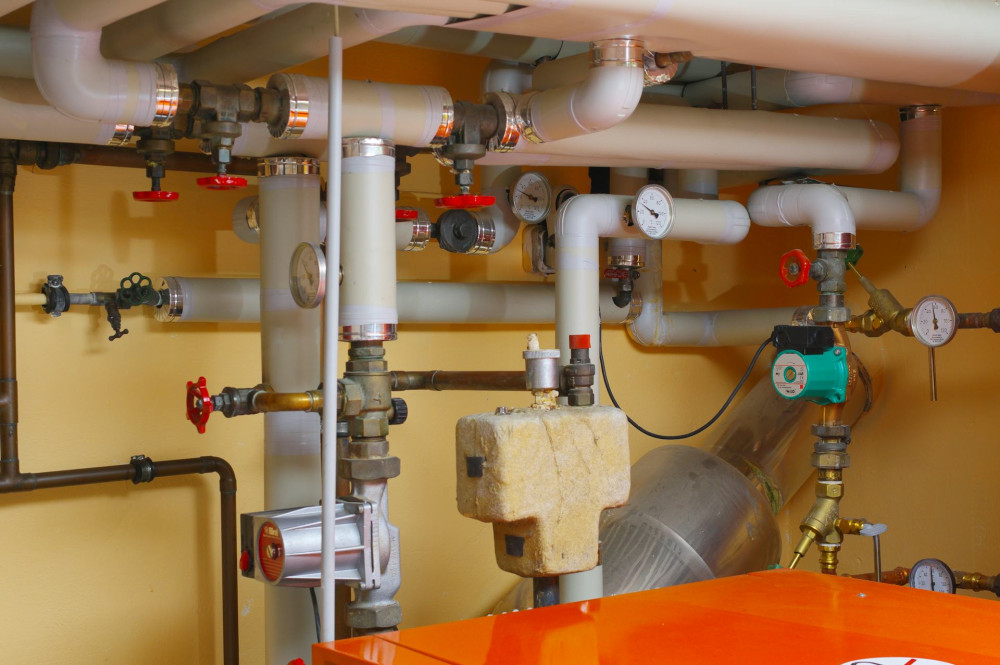
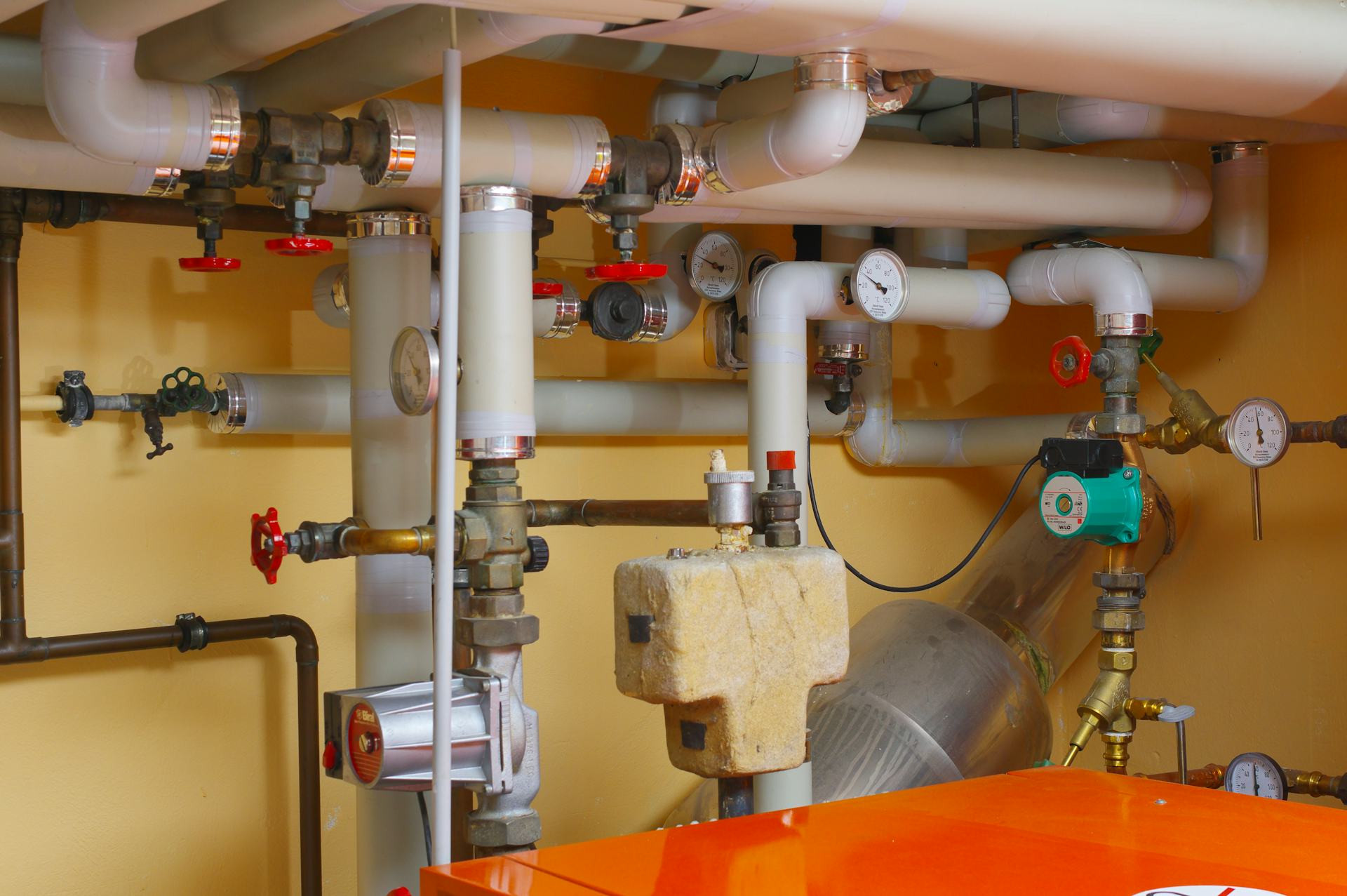
For hydronic systems, balancing the water flow in each loop ensures that every room reaches the desired temperature. Modern systems often include automatic controls that adjust flow rates based on demand, improving both comfort and efficiency.
If you’re adding underfloor heating to an existing home, have a professional evaluate your subfloor and insulation before installation. Proper preparation can save energy and prevent costly issues later.
Læs også:
Smart Controls for Precise Heating
A good control system is crucial for both comfort and energy savings. Modern thermostats allow you to set precise temperatures for each room and even control your heating remotely via smartphone apps. This makes it easy to lower the temperature when you’re away and warm the house before you return.
Zoned heating—where each room or area has its own thermostat—lets you tailor warmth to your lifestyle. For example, you might prefer a cooler bedroom and a warmer bathroom. This not only enhances comfort but also reduces energy use.
Flooring Materials Matter
Your choice of flooring has a major impact on how efficiently underfloor heating performs. Materials like tile, stone, and polished concrete conduct heat very well and respond quickly to temperature changes. Wood floors can also work beautifully, but it’s important to choose engineered wood designed to handle temperature fluctuations.
Carpets and thick underlays can insulate the floor and slow heat transfer, so if you prefer carpeted areas, opt for thin, low-tog carpets that are compatible with underfloor heating.
Maintenance and Longevity
A properly installed underfloor heating system requires very little maintenance. Hydronic systems should be checked periodically for pressure and air in the pipes, and the main heating source should receive annual servicing to ensure optimal performance.
Electric systems are virtually maintenance-free, but it’s important to follow manufacturer guidelines and avoid drilling or nailing into floors where heating cables are installed.
When installed and maintained correctly, underfloor heating can last for decades—providing steady, comfortable warmth with minimal effort.
Comfort, Design, and Efficiency in Harmony
Underfloor heating isn’t just about warmth—it’s about enhancing your home’s comfort and design. It creates a calm, inviting environment where you can walk barefoot year-round, while freeing your walls from radiators and vents for a cleaner, more open look.
When properly designed, installed, and controlled, underfloor heating offers a perfect balance of comfort, efficiency, and aesthetics. With thoughtful planning—from insulation and heat source to controls and flooring—you can enjoy a heating system that not only warms your home but also elevates your everyday living experience.
Læs også: