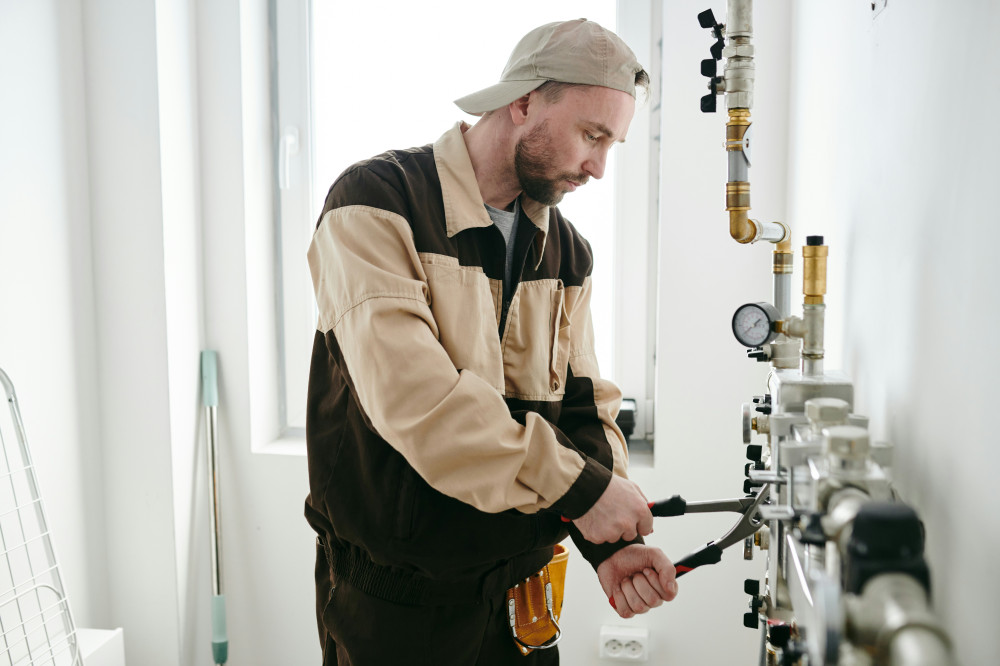
What Is a Sanitary Installation – and How Does It Differ from Other Plumbing Systems?

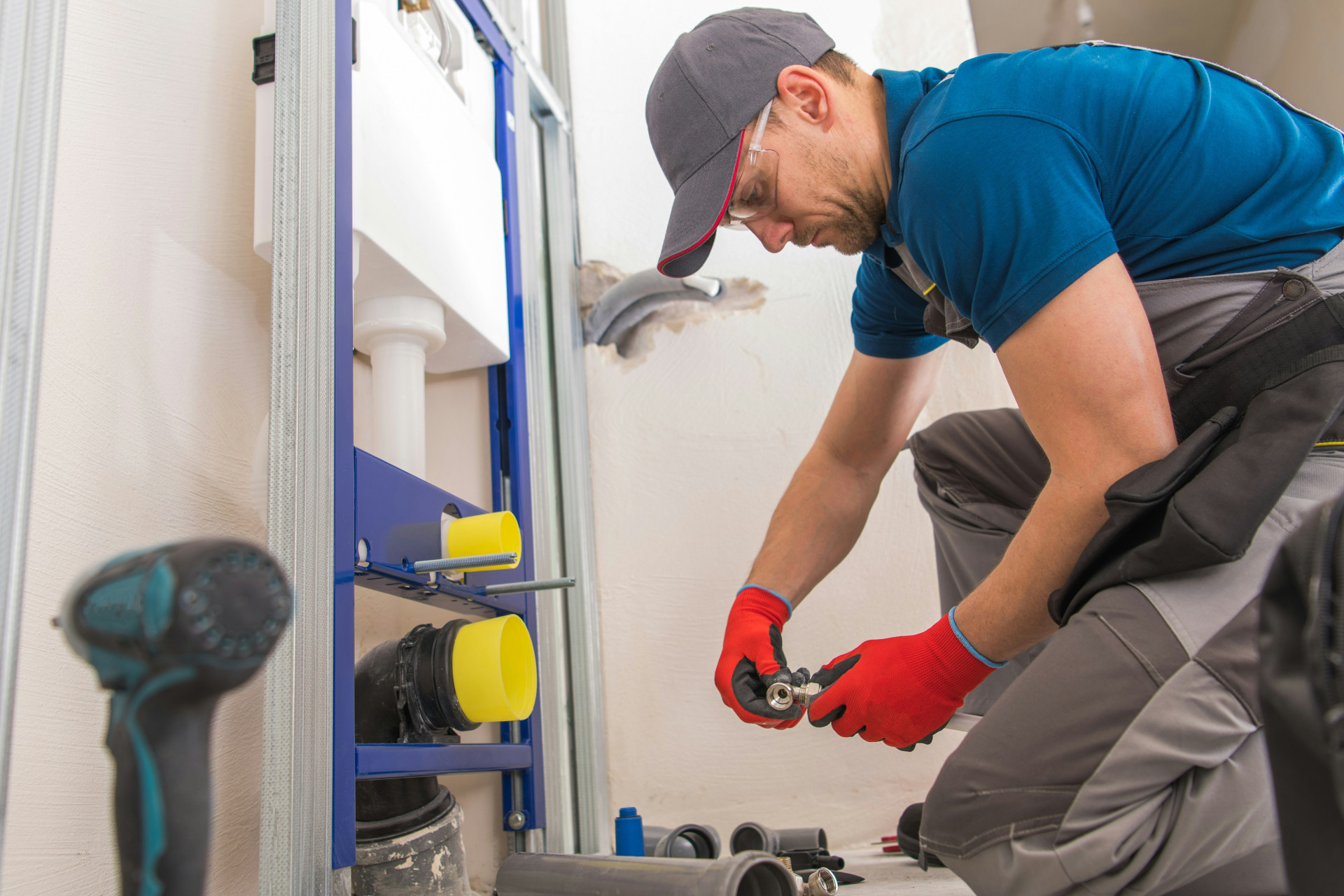
What Is a Sanitary Installation – and How Does It Differ from Other Plumbing Systems?
When most people think of plumbing, they picture pipes, faucets, and maybe a water heater. But plumbing actually covers several distinct systems within a building – and one of the most important is the sanitary installation. It’s a crucial part of any home or commercial property, yet many people aren’t quite sure what the term means or how it differs from other plumbing systems. Here’s a clear overview.
What Is a Sanitary Installation?
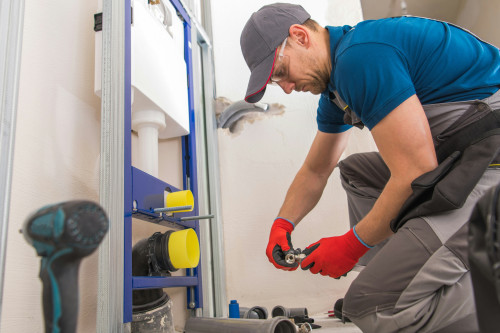
A sanitary installation refers to all the plumbing components that handle clean water supply and wastewater removal in areas like bathrooms, kitchens, and laundry rooms. In other words, it’s the system that ensures you can safely use water indoors – and that used water is properly drained away.
Typical elements of a sanitary installation include:
- Water supply lines to sinks, showers, bathtubs, and toilets
- Drainage pipes that carry wastewater to the sewer or septic system
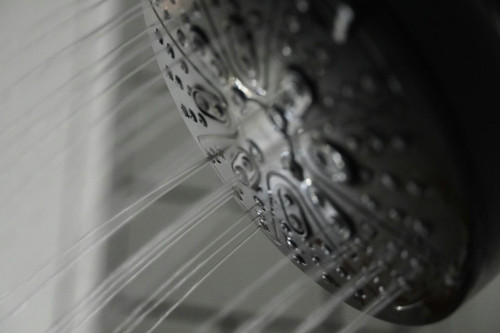
- Fixtures such as toilets, faucets, and shower valves
- Connections to water heaters and circulation lines for hot water
In short, the sanitary installation is what makes it possible to use clean water and dispose of wastewater safely, protecting both your health and your home’s structure.
Læs også:
Why Is It Called “Sanitary”?
The word sanitary comes from the Latin sanitas, meaning health. A sanitary installation is therefore not just about plumbing mechanics – it’s about hygiene and public health. It ensures that drinking water remains uncontaminated and that wastewater is removed without creating health hazards or moisture damage.
Because of this, sanitary systems must meet strict standards for materials, sealing, and installation. A poorly executed sanitary installation can lead to leaks, mold growth, or even contamination of the water supply.
How Does a Sanitary Installation Differ from Other Plumbing Systems?
In the U.S., the term plumbing often covers several subsystems that work together but serve different purposes. Sanitary installations are one of these, alongside systems for heating, ventilation, and sometimes gas or stormwater management.
1. Water Supply Systems
The water supply system brings potable water into the building under pressure. It includes the main service line, shutoff valves, and distribution piping. While it connects directly to the sanitary fixtures, its focus is on delivering clean water, not on removing wastewater.
2. Sanitary (Drainage) Systems
The sanitary system, sometimes called the DWV system (Drain-Waste-Vent), is responsible for removing wastewater and venting sewer gases. It includes drainpipes, traps, and vent stacks. This is the part of the plumbing that ensures used water leaves the building safely and that air pressure in the pipes remains balanced.
3. Heating and Ventilation Systems
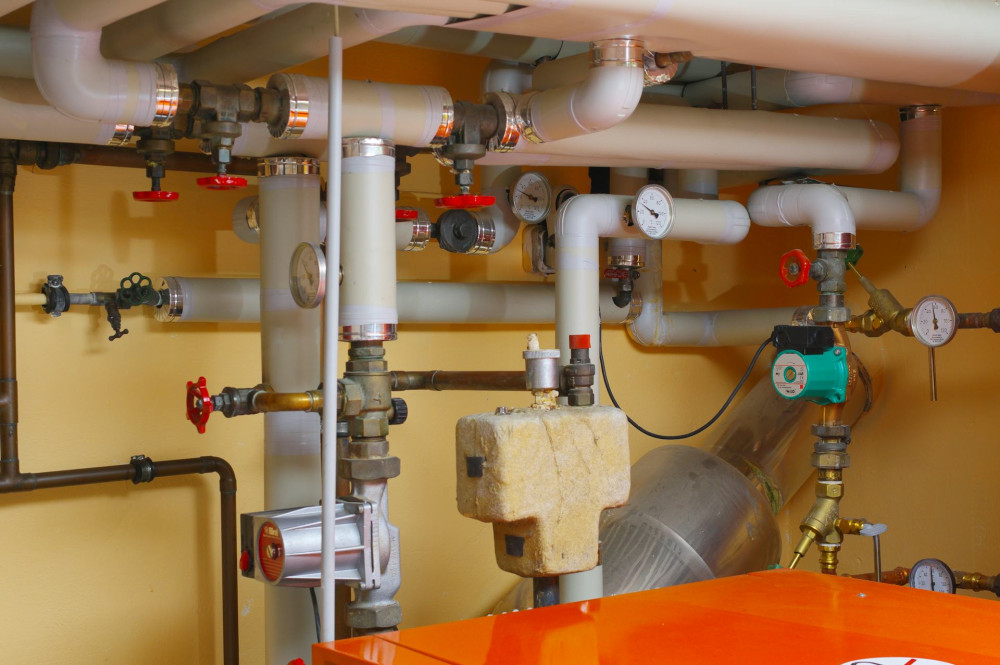
Heating systems – such as boilers, furnaces, or heat pumps – provide warmth and hot water. Ventilation systems manage indoor air quality and moisture. While these systems interact with plumbing (for example, through humidifiers or water heaters), they serve different functions and follow different codes.
In short, the sanitary installation is the hygienic core of the plumbing system – the part that keeps clean and dirty water strictly separated.
Key Components of a Sanitary Installation
A modern sanitary installation is made up of several interconnected parts:
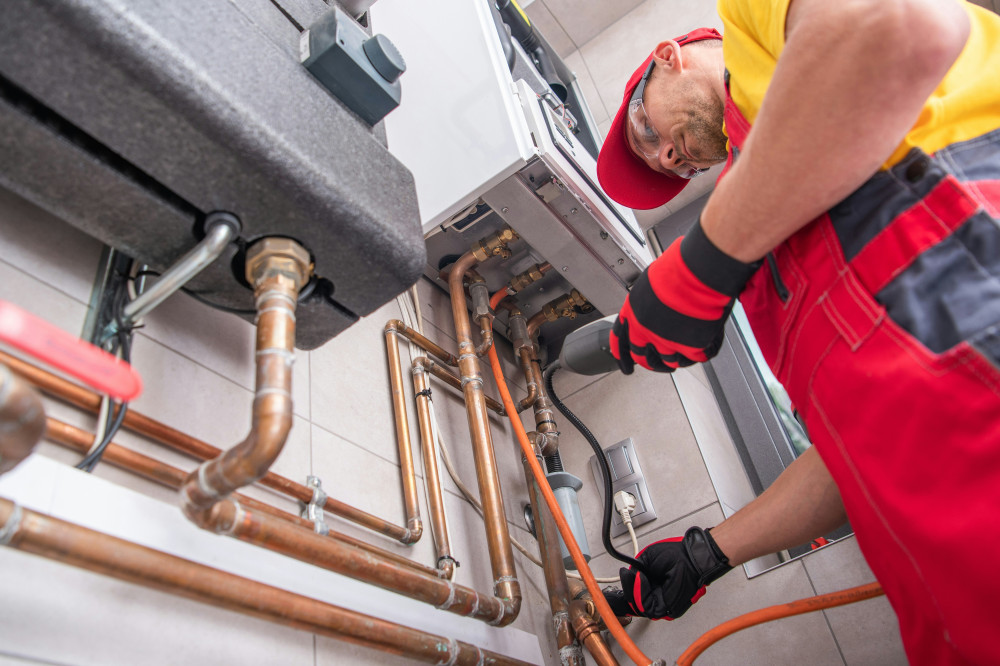
- Water supply pipes – deliver cold and hot water to fixtures
- Drainage pipes – carry wastewater away from sinks, tubs, and toilets
- Traps and vents – prevent sewer gases from entering living spaces
- Fixtures and fittings – toilets, faucets, showers, and bathtubs
- Valves and safety devices – such as backflow preventers and pressure regulators
Each component must be properly sized, installed, and maintained to ensure reliable operation and compliance with local plumbing codes.
Codes and Professional Standards
In the United States, sanitary installations are regulated by plumbing codes, such as the International Plumbing Code (IPC) or the Uniform Plumbing Code (UPC), depending on the state or municipality. These codes set standards for materials, pipe sizing, venting, and backflow prevention to protect public health.
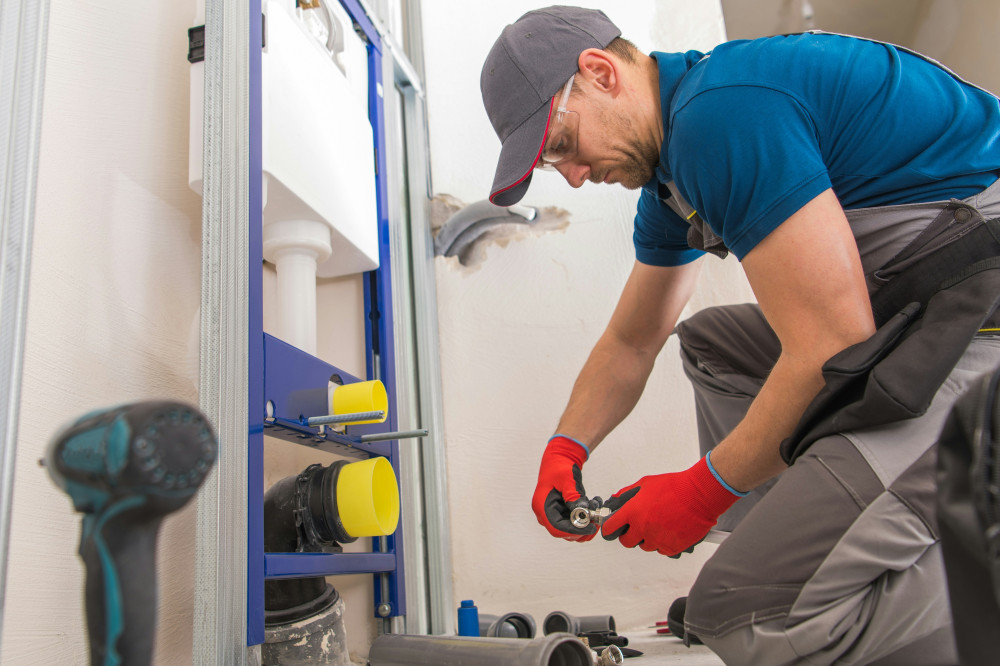
Because of the complexity and safety requirements, most sanitary installation work must be performed by licensed plumbers. Homeowners can often handle minor tasks like replacing a faucet or unclogging a drain, but any work involving fixed piping or potable water connections should be left to professionals.
Maintenance and Lifespan
A well-installed sanitary system can last for decades, but it requires regular maintenance to stay in good condition. Key steps include:
- Checking for leaks or dripping faucets
- Cleaning drains to prevent clogs
- Inspecting vent pipes and traps for blockages
- Flushing water heaters and testing pressure relief valves
- Having a licensed plumber inspect the system during renovations or before selling a home
Proper maintenance not only extends the system’s lifespan but also helps prevent water damage and health risks.
An Invisible but Essential Part of Every Building
Although it’s hidden behind walls and under floors, the sanitary installation is one of the most vital systems in any modern building. It ensures comfort, hygiene, and safety by managing water in a controlled and reliable way.
Without a properly functioning sanitary installation, even the most beautiful bathroom or kitchen would quickly become unusable. That’s why investing in quality materials, professional installation, and regular maintenance is always worth it – for your health, your home, and your peace of mind.
Læs også: