Adjust Your Alarm to the Daily Rhythm for Greater Home Security

Adjust Your Alarm to the Daily Rhythm for Greater Home Security
A modern home alarm can do far more than just sound off when someone breaks in. With the right settings, it can adapt to your daily routine and create a sense of safety—whether you’re home or away. By letting your alarm follow the rhythm of your day, you get a system that works with you, not against you. Here’s how you can use technology and planning to make your home more secure and your life more comfortable.
Making the Alarm Part of Everyday Life
Many people still think of an alarm system as something that’s only armed when they leave the house. But today’s systems can be an active part of daily life. They can monitor motion, detect open windows, respond to smoke or water leaks—and still be adjusted so they don’t interfere when you’re home.
By setting your alarm to match your daily patterns—such as “night,” “day,” and “away” modes—you can strike the right balance between safety and convenience. The goal is to find the level of protection that fits your lifestyle.
Læs også:

Morning: A Smooth Start to the Day
When the household wakes up, your alarm shouldn’t get in the way of your morning routine. Many systems allow you to deactivate sensors in certain zones while keeping others active. That means you can move freely in the kitchen and living room while doors and windows remain secured.
A helpful tip is to use scheduling: let the alarm automatically switch to “day mode” at a set time so you don’t have to think about it. You can also connect your system to smart lighting, so the lights turn on softly when you get up—a small touch that makes mornings more pleasant.
Daytime: When the House Is Empty
When you leave home, your alarm should be fully armed. This can happen automatically when you lock the door or through an app on your phone. Some systems can even detect when all household members have left and arm themselves.
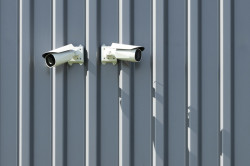
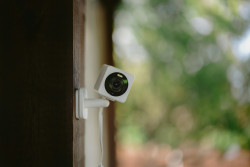
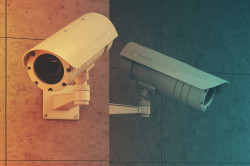
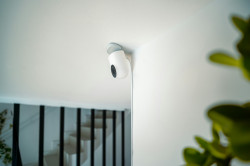
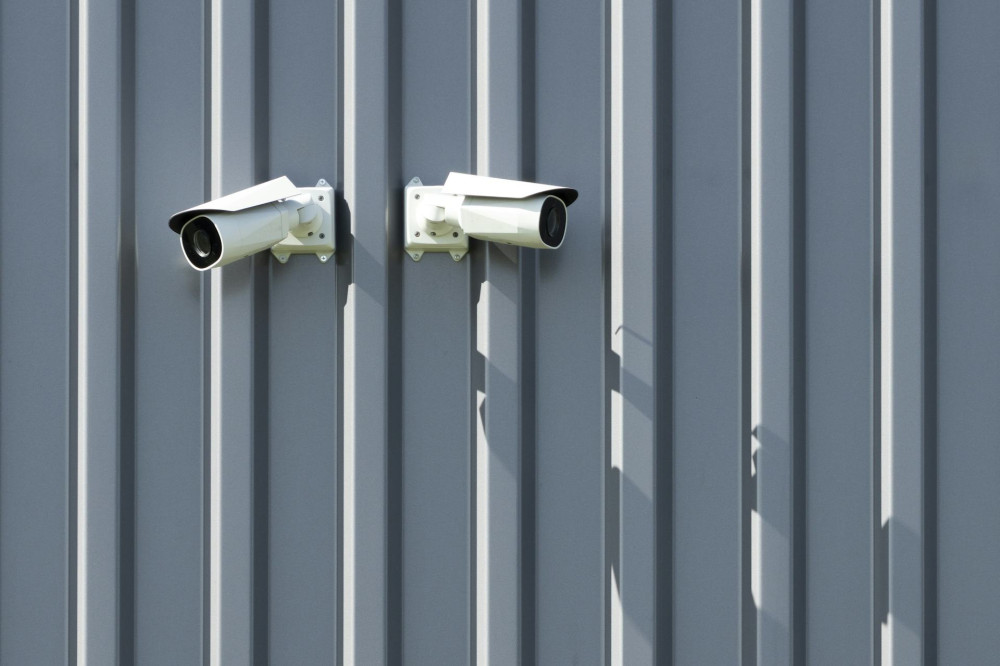
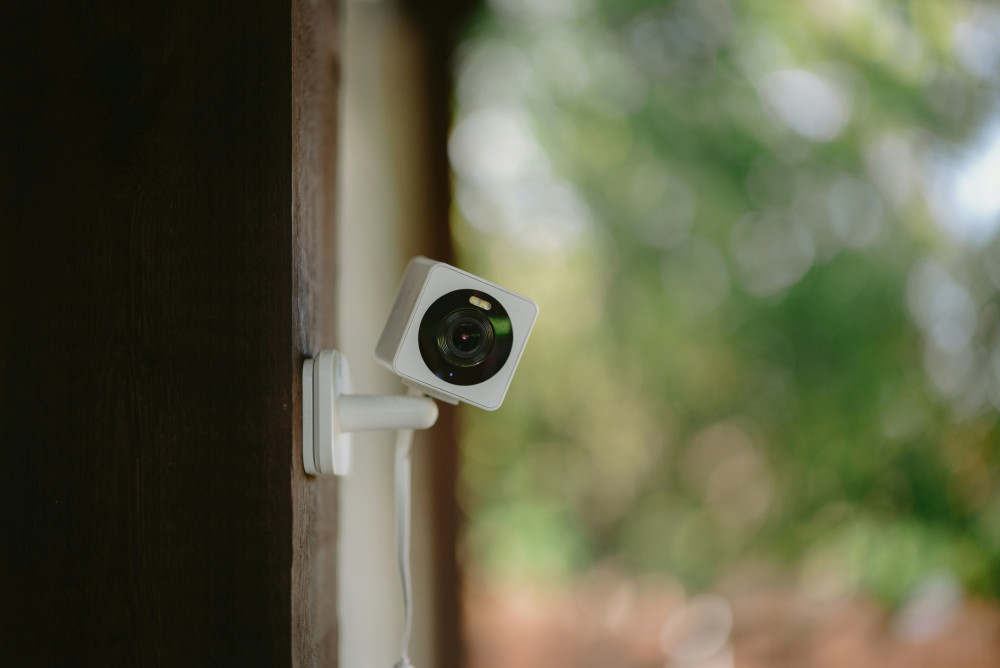
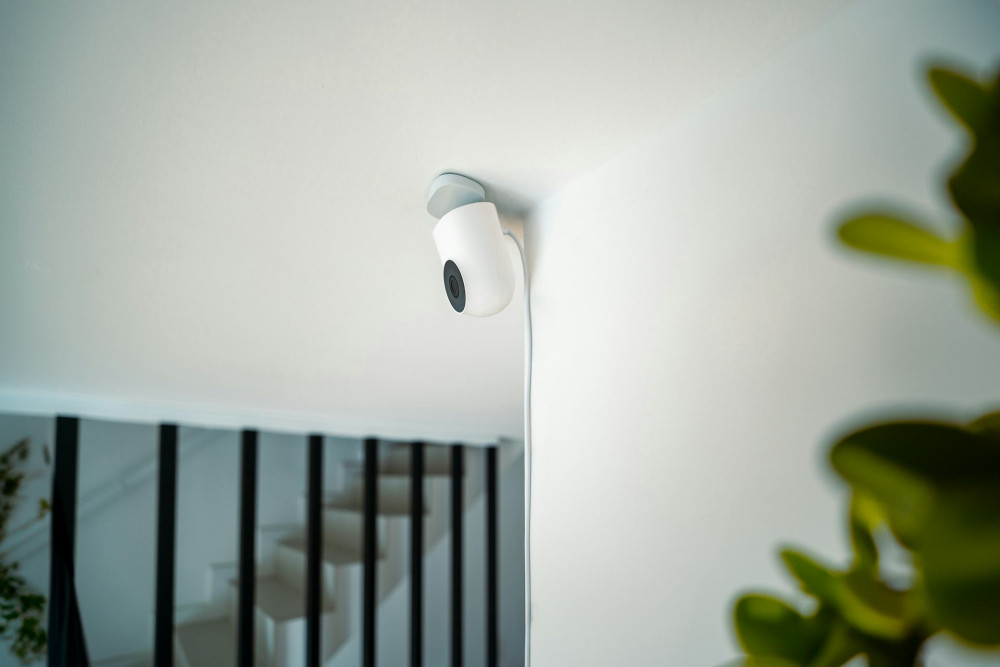
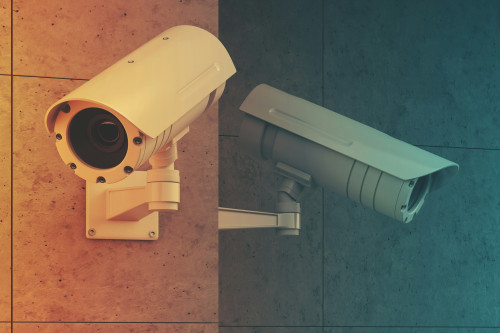
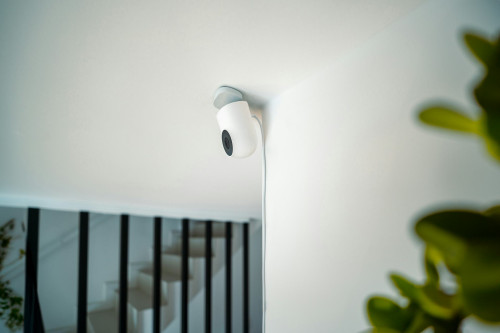
Consider pairing your alarm with cameras or motion sensors that send alerts if activity is detected. That way, you can respond quickly—and in many cases, view live footage directly on your smartphone.
If you have pets, choose sensors that ignore movement from small animals to avoid false alarms.
Evening: Comfort and Security
As night falls, your needs change. You want to feel safe without the alarm reacting to every movement inside. This is where a partial mode comes in handy, monitoring only selected zones such as doors, windows, and the basement.
Many homeowners appreciate alarms that integrate with outdoor lighting. If motion is detected in the yard or near the entrance, the lights turn on automatically. It’s both a deterrent and a convenience when you come home after dark.
Night: Peace of Mind While You Sleep
At night, your alarm should give you peace of mind. By activating “night mode,” you can secure the outer areas of your home while moving freely in the sleeping areas. If activity is detected outside, the system can send a discreet notification instead of a loud alarm—so you can assess the situation calmly.
Some people choose to link their alarm with smoke and carbon monoxide detectors, creating a unified safety network. That way, you’ll be alerted whether it’s a break-in, a fire, or a technical issue threatening your home.
Use Technology to Your Advantage
Most modern alarm systems can be controlled through an app, voice commands, or automated routines. This allows you to adjust settings easily—whether you’re hosting guests, going on vacation, or changing your schedule.
You can also integrate your alarm with other smart home devices: thermostats, lights, locks, and cameras. This makes security a natural part of your home’s rhythm, without requiring constant attention.
Security Is About Habits
Even the best alarm system only works if it’s used properly. Make it a habit to arm the system when you leave and check regularly that sensors and batteries are functioning. Many systems send automatic alerts if something isn’t working—but it’s still wise to do a quick check now and then.
By letting your alarm follow the rhythm of your day, you create a home that’s both safe and comfortable to live in. It’s not just about technology—it’s about peace of mind, knowing your home is looking out for you while you go about your life.
Læs også: