Security with Intelligent Systems for People with Special Needs


Security with Intelligent Systems for People with Special Needs
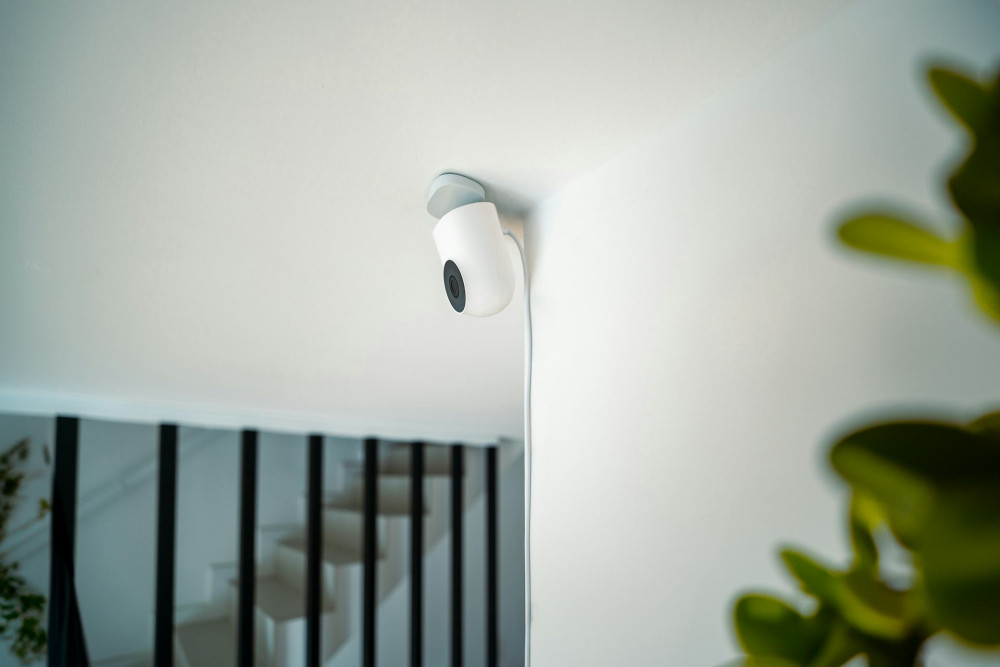
For many Americans with special needs, daily life can bring uncertainty and concern — both for themselves and for their families. Yet, with today’s rapid technological progress, there are more opportunities than ever to enhance safety, support independence, and ease the work of caregivers. Intelligent systems in the home can act as quiet helpers that respond, alert, and assist — without taking away personal freedom.
Technology as Support — Not Replacement
The goal of intelligent systems is not to replace human care, but to complement it. Sensors, voice control, and automated functions can help people with physical or cognitive challenges manage more tasks on their own, while giving family members and professionals greater peace of mind.
For example, motion sensors can detect falls or unusual inactivity and send alerts to caregivers. Other systems can remind users to take medication, automatically turn off the stove, or adjust lighting to make navigation easier. The idea is to create an environment where technology works in the background, supporting each person’s rhythm and needs.
Læs også:

Smart Homes with People at the Center
An intelligent home can be customized to fit individual needs. For someone with limited mobility, automatic doors, blinds, and lighting can make a big difference. For a person living with dementia, it can be crucial that the system sends an alert if a door opens at night or if there’s no movement for an extended period.
The key is that technology should adapt to the person — not the other way around. That’s why solutions should be developed in close collaboration with users, families, and care professionals. When technology is experienced as supportive rather than controlling, both safety and quality of life improve.
Peace of Mind for Families and Caregivers
For many families, knowing that they’ll be notified if something unexpected happens brings great relief. It allows them to relax more in their daily lives while their loved one maintains independence. In assisted living facilities and group homes, intelligent systems can also ease the workload of staff, allowing them to focus more on personal interaction and less on routine monitoring.
One example is a bed sensor that detects when a resident gets up at night and only sends an alert if they don’t return within a set time. This reduces unnecessary nighttime checks and helps both residents and staff enjoy a calmer night.
Ethical Considerations and Data Security
When technology becomes part of the home, questions about privacy and ethics naturally arise. It’s essential that users always know what data is being collected and who has access to it. Security is not only about physical safety but also about trust — trust that personal information is handled responsibly.
All solutions should therefore be built on transparency and respect for individual privacy. This might mean that sensors detect only movement, not video, or that data is automatically deleted after a short period. In the U.S., compliance with privacy laws such as HIPAA is also crucial when health-related data is involved.
The Future of Intelligent Support
The field is evolving quickly. Artificial intelligence and machine learning make it possible for systems to learn from behavior and adapt over time. This could allow a home to recognize changes in routines that signal early signs of illness or a need for additional support. At the same time, technology is becoming more user-friendly and affordable, making it accessible to a wider range of people.
No matter how advanced the technology becomes, the goal remains the same: to create safety, freedom, and dignity for people with special needs — and peace of mind for those who care about them.
Læs også: