Art as Meditation: Finding Calm Through Visual Impressions

Art as Meditation: Finding Calm Through Visual Impressions
In a world filled with constant notifications, deadlines, and digital noise, finding moments of stillness can feel like a luxury. Many Americans turn to yoga, mindfulness apps, or nature walks to unwind—but art can also serve as a powerful path to inner calm. Observing a painting, sculpture, or photograph can become a form of visual meditation, allowing the mind to rest through quiet attention and sensory presence.
When the Gaze Becomes Still
Using art as meditation isn’t about analyzing the artist’s technique or interpreting meaning. It’s about simply looking. When you stand before a piece of art, let your eyes move slowly across its colors, shapes, and textures without judgment or expectation. This act of seeing becomes a practice in mindfulness—a pause from the constant stream of thoughts.
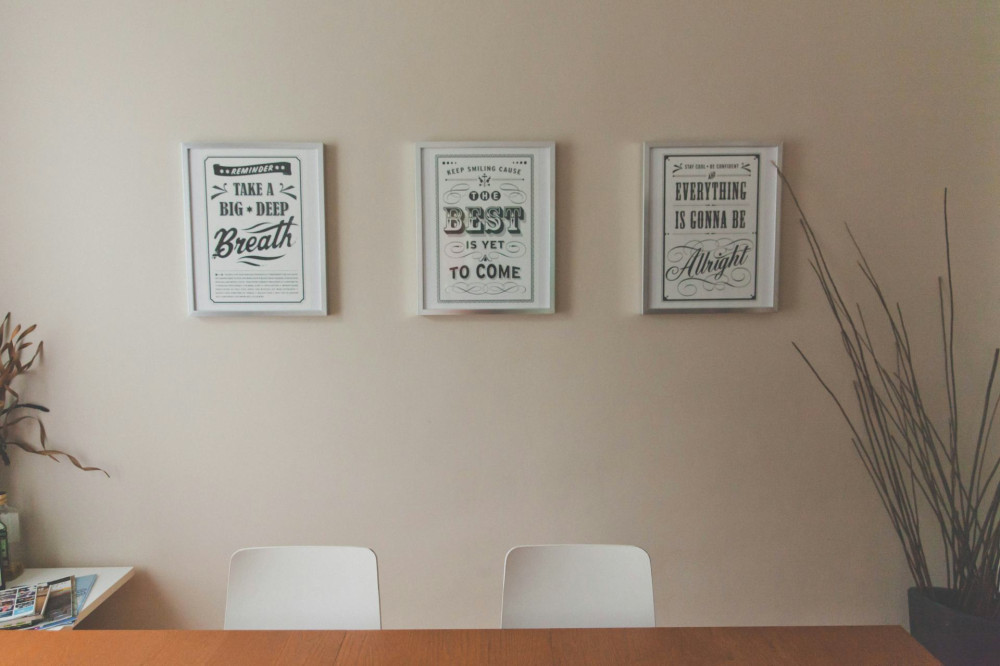
Many people find that sitting quietly with art can have the same soothing effect as a guided meditation. Heart rate slows, breathing deepens, and thoughts begin to settle. It’s a simple yet profound way to reconnect with yourself in the midst of a busy day.
Creating a Meditative Space at Home
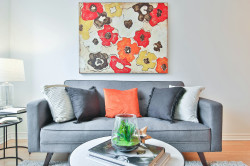
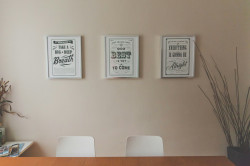
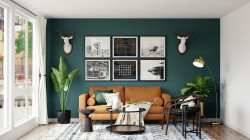
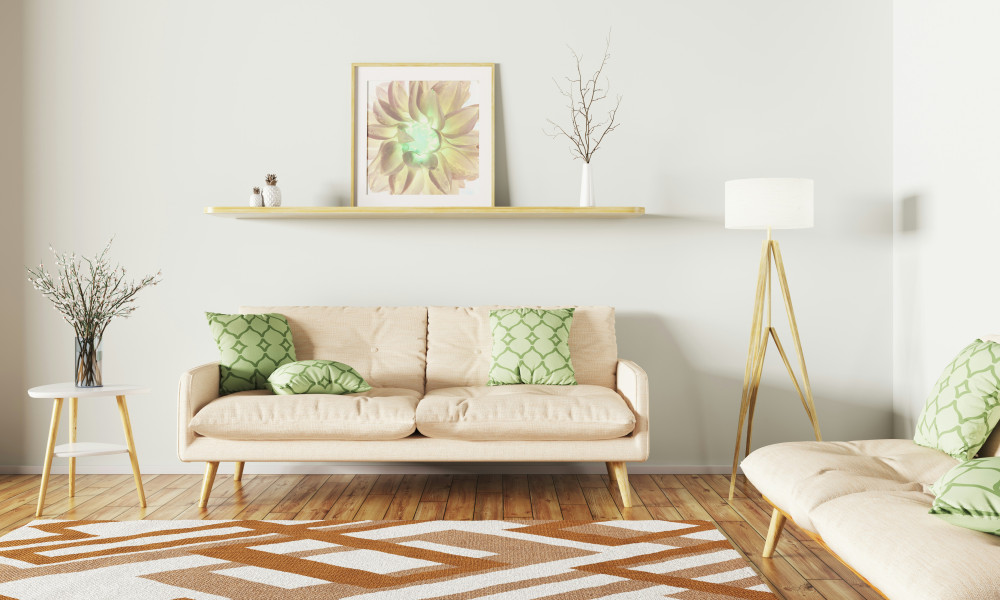
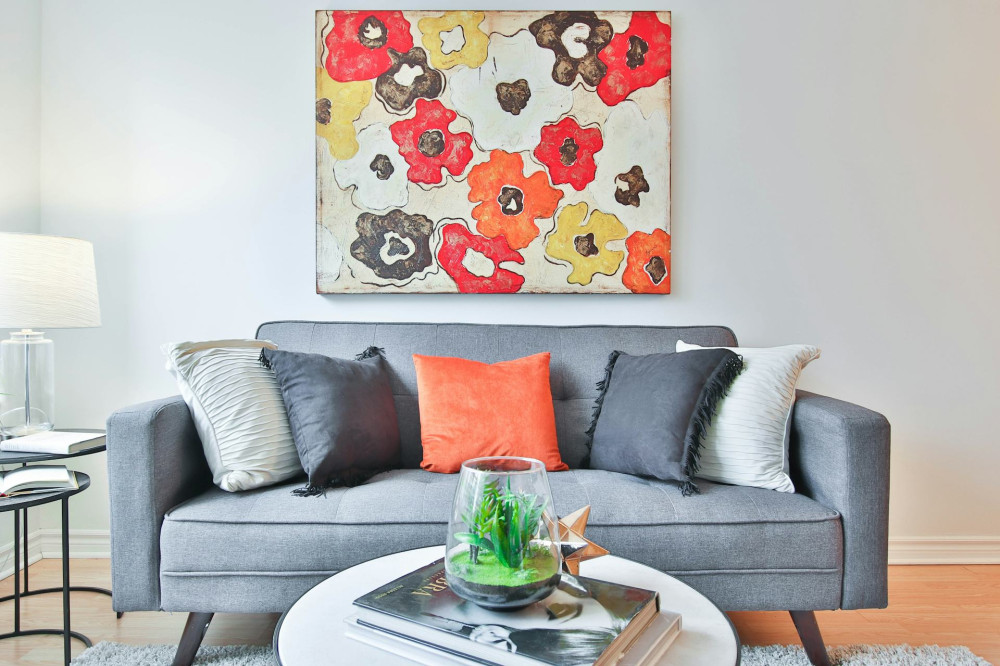
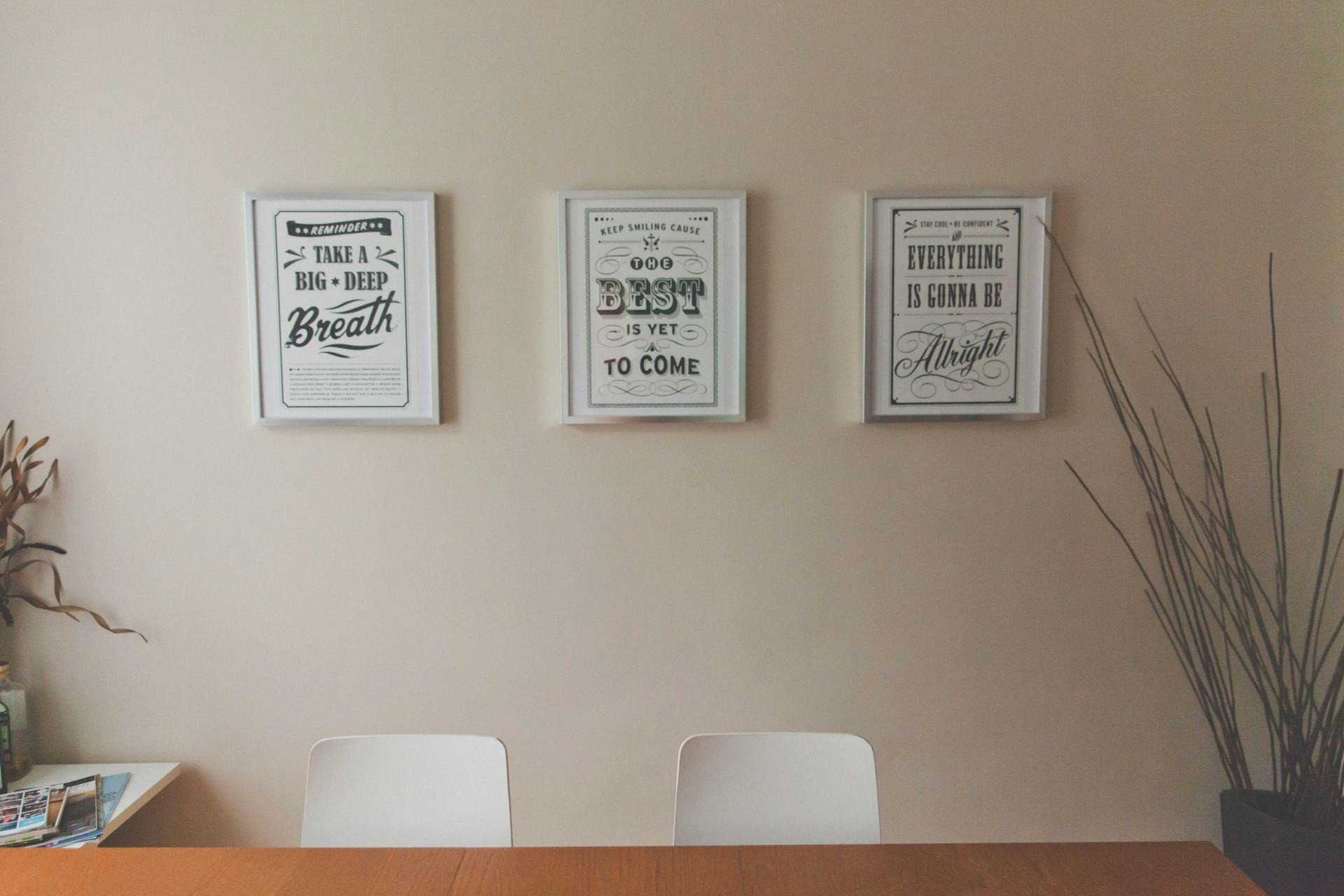
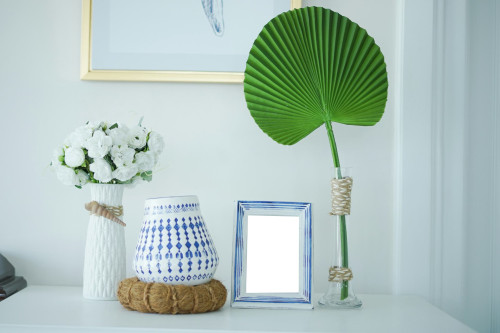
You don’t need to visit a museum to experience art as meditation. A small corner of your home can become a personal sanctuary filled with images or objects that bring you peace. It might be a painting, a photograph of a landscape, or an abstract piece that invites curiosity and calm.
- Choose mindfully – Select artwork that evokes balance, light, or depth. Soft tones, organic shapes, or minimalist compositions often work well.
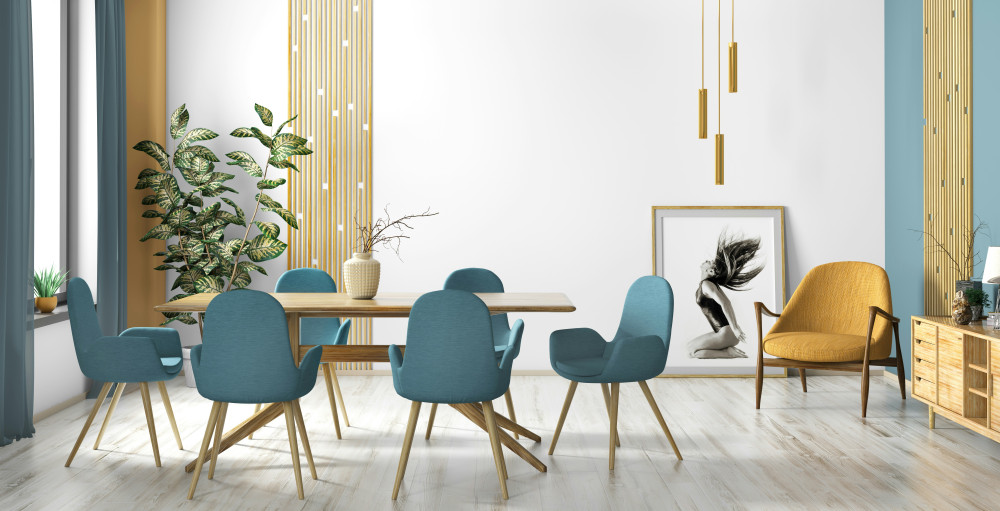
- Simplify the surroundings – Keep the area around the artwork uncluttered. Gentle lighting and a neutral background help the eye focus.
- Take your time – Sit quietly in front of the piece for a few minutes each day. Breathe slowly and let your gaze rest.
Over time, this small daily ritual can become a grounding practice—an anchor of calm amid the pace of modern life.
Læs også:
Art Experiences as Sensory Training
Viewing art with a meditative mindset also sharpens your senses. You begin to notice subtle variations in color, shadow, and texture that might otherwise go unseen. This heightened awareness can extend beyond the gallery or your living room—it can make you more present while walking outside, cooking, or talking with others.
Across the U.S., museums and cultural centers are beginning to offer mindfulness sessions in front of artworks. These programs combine meditation techniques with art appreciation, helping participants experience art not just intellectually, but emotionally and physically. It’s a reminder that art isn’t only something to understand—it’s something to feel.
When Art Reflects the Mind
Art can act as a mirror for our inner world. An abstract painting might stir emotions we can’t quite name, while a landscape might remind us of peace and connection. By observing without judgment, we open space to meet ourselves with honesty and compassion.
Some people choose to paint, draw, or sculpt as part of their meditative practice. The goal isn’t to create a masterpiece, but to let the process itself—color, movement, and rhythm—become a form of mindfulness. In this way, art becomes both expression and healing.
A Quiet Pause in a Visual World
In an age where we’re constantly bombarded with images, it may seem paradoxical to use visual impressions as a path to stillness. But the difference lies in intention and pace. When we look at art with awareness, the image stops being a distraction and becomes an invitation to pause.
Practicing art as meditation requires no special skills or equipment—only time, attention, and the willingness to see. It’s a gentle, accessible way to bring balance and clarity into a world that rarely slows down.
Læs også: