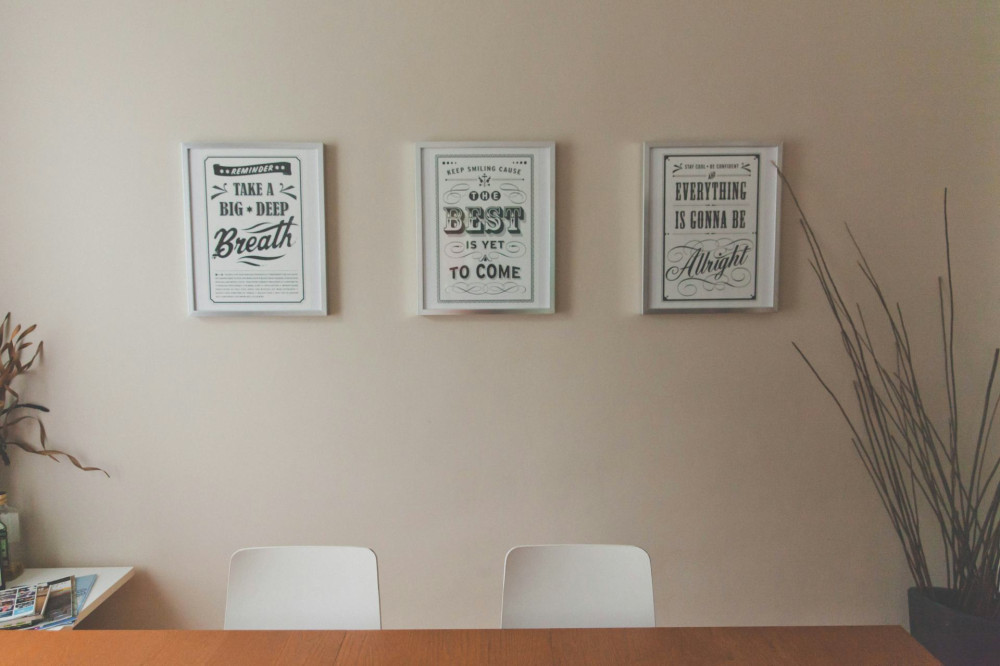
Lighting and Art: Create a Cohesive Experience in Your Space

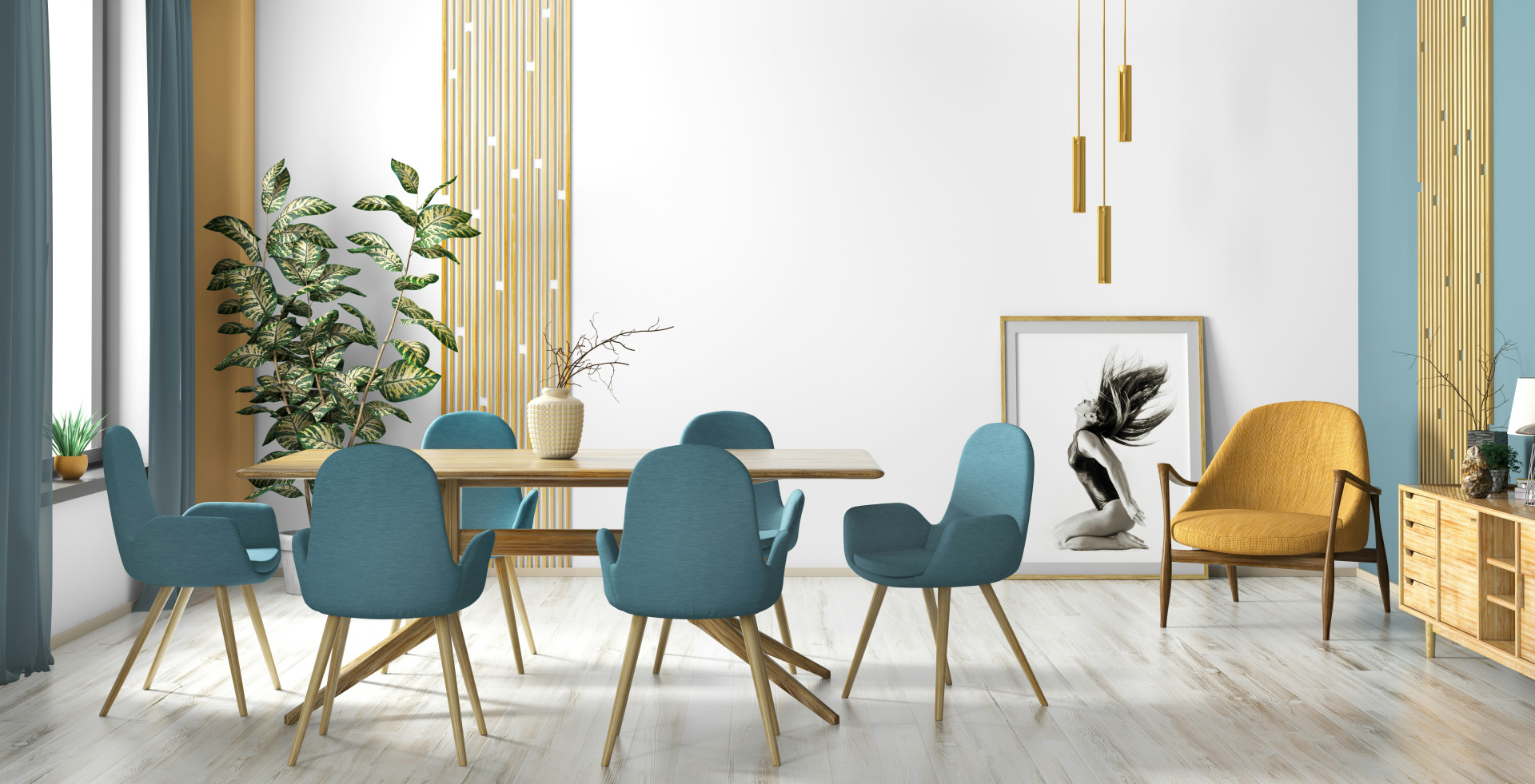
Lighting and Art: Create a Cohesive Experience in Your Space
When designing your home, it’s easy to focus on furniture, colors, and materials—but lighting often determines how a space truly feels. Lighting and art work hand in hand: one enhances the other, and together they create an atmosphere that feels intentional and alive. Here’s how you can use light and art to craft a cohesive experience in your home.
Light as a Mood Setter
Lighting isn’t just about function—it’s about emotion. The right light can make a room feel warm, calm, or energetic depending on how it’s layered. Think in terms of three types of lighting:
- Ambient lighting provides general illumination and ensures you can move around comfortably. Ceiling fixtures, recessed lights, or track lighting often serve this purpose.
- Task lighting focuses on specific areas where you need extra brightness—over the dining table, in a reading nook, or above the kitchen counter.
- Accent lighting adds depth and atmosphere. Table lamps, wall sconces, or small spotlights can highlight certain features or artworks.
When you combine these layers, you create a space that’s both practical and inviting—and one that allows your art to shine.
Putting Art in the Spotlight
A painting, sculpture, or photograph can look completely different depending on how it’s lit. Too much brightness can wash out colors, while too little can make the piece disappear into the background.
A good rule of thumb is to use warm, diffused light for art with soft tones and cooler, more focused light for pieces with strong contrasts. Adjustable spotlights are ideal because you can fine-tune the direction and intensity to suit each artwork.
If you have multiple pieces in one room, vary the brightness slightly from one to the next. This creates a natural rhythm that guides the eye and gives the space a sense of movement and balance.
The Role of Natural Light
Natural light is the most dynamic form of illumination, but it can also be unpredictable. The sun’s position changes throughout the day, altering both color temperature and intensity.
Place artworks where they won’t be exposed to direct sunlight, which can fade pigments over time. Use sheer curtains or blinds to filter daylight and maintain a soft, comfortable glow.
A room where natural light interacts with art and artificial lighting feels alive—it evolves with the time of day and the season.
Creating Harmony Between Art and Interior Design
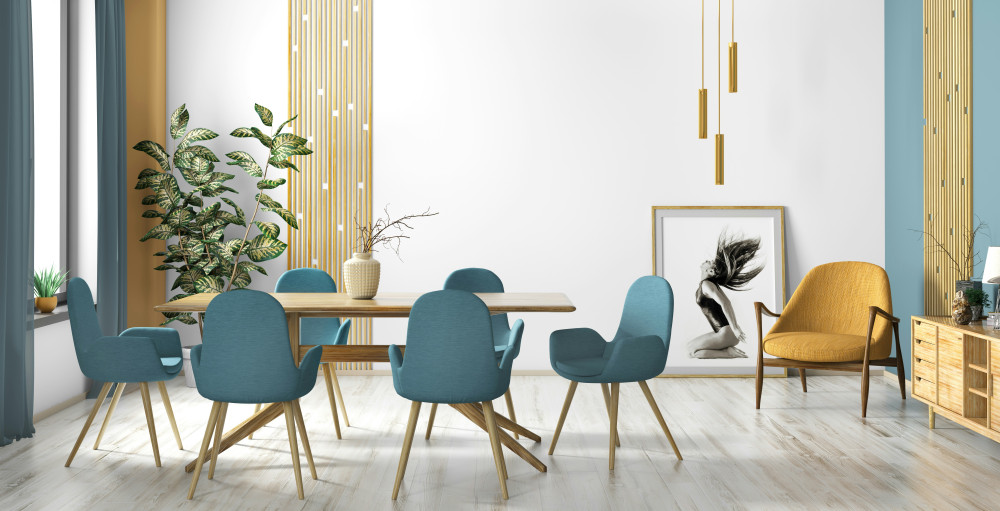
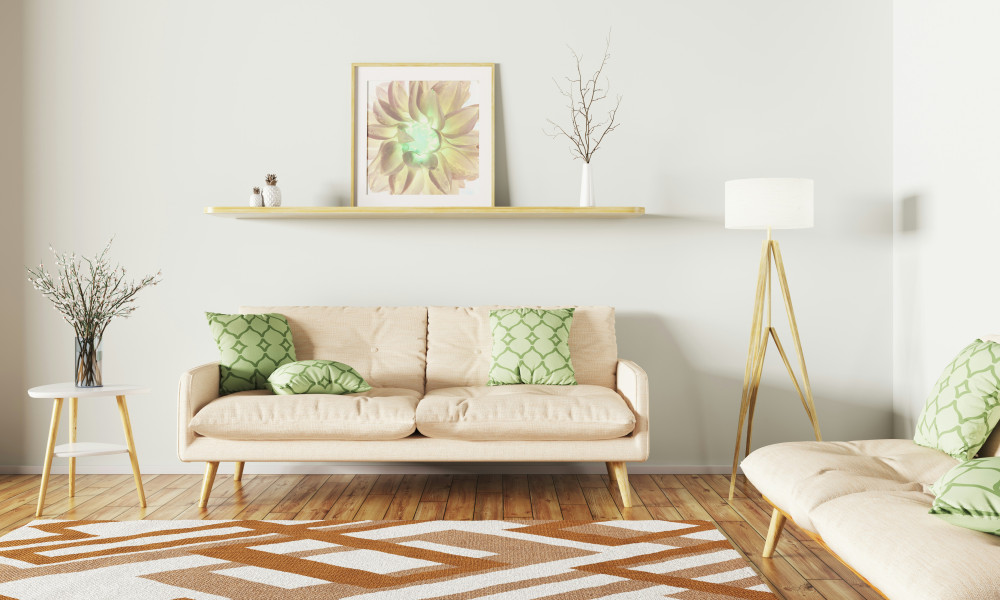
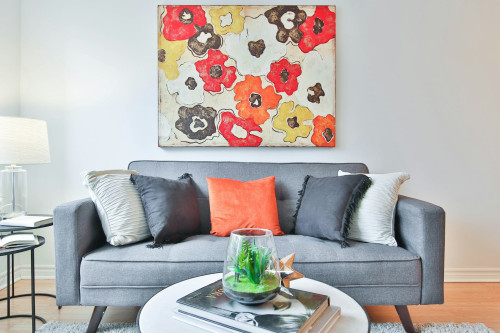
Lighting and art should be part of a larger design story. Consider how the colors in your artwork relate to your wall paint, textiles, and furniture. Warm lighting enhances earthy tones and wood finishes, while cooler light complements modern, minimalist spaces.
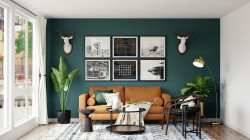
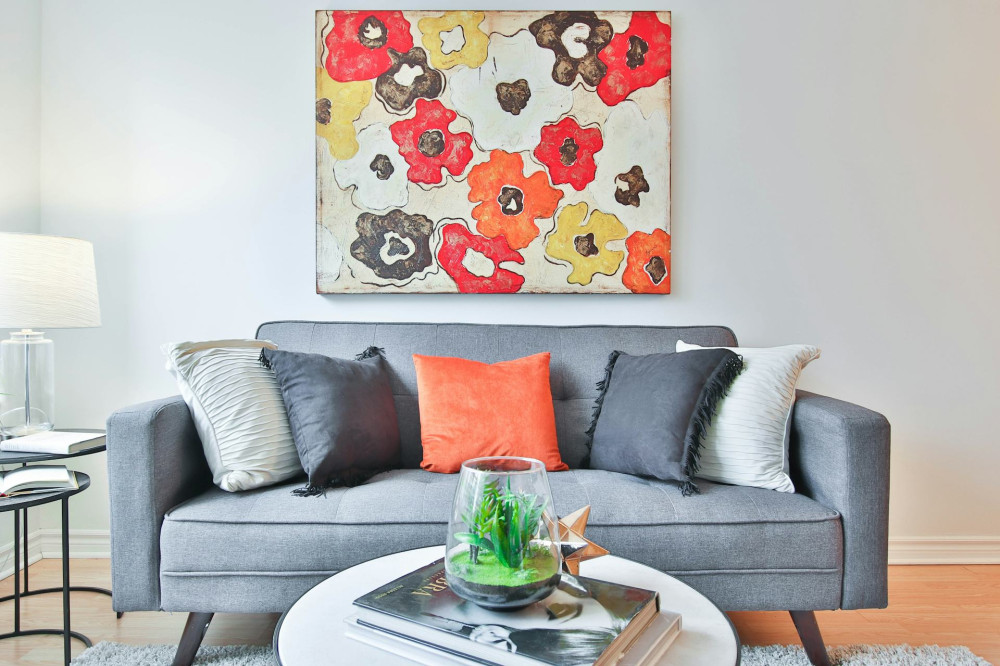
You can also use light to create contrast. A dark wall behind a brightly lit artwork adds drama, while subtle lighting on a pale wall creates calm. The goal is to find the balance that reflects your personal style and the mood you want to evoke.
Læs også:
Technology and Flexibility
With today’s LED and smart lighting options, it’s easier than ever to adjust brightness and color temperature. You can shift the atmosphere of a room with a single tap—from bright and focused to soft and relaxing.
Consider installing dimmable fixtures or smart bulbs that let you customize lighting for different times of day or activities. This flexibility allows your art and your space to adapt with you, rather than staying static.
A Personal, Unified Experience
When lighting and art come together, your home becomes more than just a place to live—it becomes an experience. Light brings out the details in your art, and art gives light a purpose and direction.
You don’t need a big budget to achieve this harmony—just curiosity and a willingness to experiment. Try different light sources, angles, and tones, and notice how the atmosphere changes. It’s in the interplay between light, art, and personality that your home truly comes to life.
Læs også: