When Minimalism Meets Decorative Art – Finding the Balance

When Minimalism Meets Decorative Art – Finding the Balance
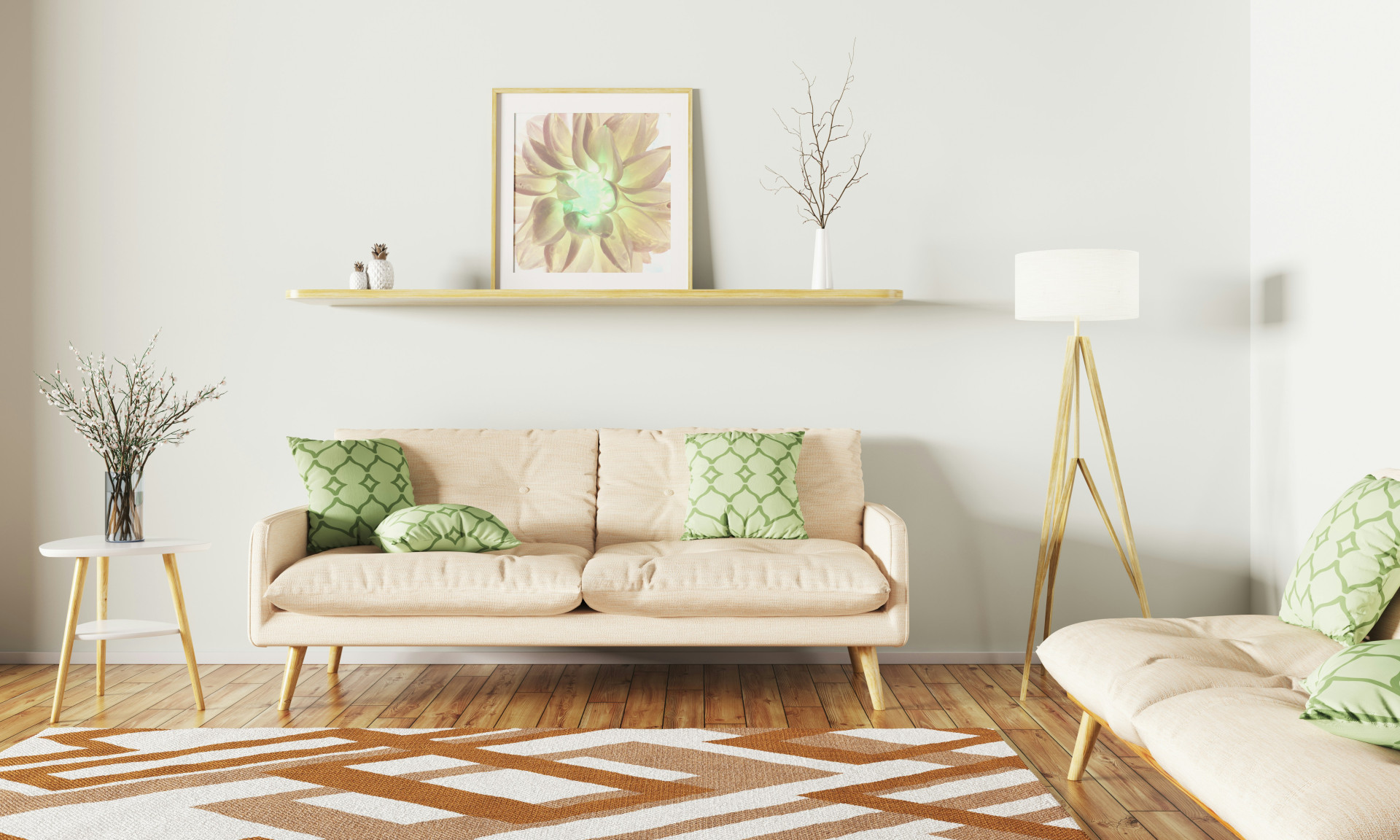
At first glance, minimalism and decorative art might seem like opposites. Minimalism celebrates simplicity, clean lines, and calm spaces, while decorative art embraces color, pattern, and expression. Yet, in contemporary American interiors, the two styles increasingly coexist, creating homes that feel both serene and full of character. The goal isn’t to choose one over the other, but to find a balance—where clarity meets creativity.
The Power of Minimalism – Calm and Clarity
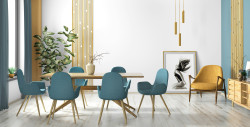
Minimalism has long been a guiding principle in modern design. Rooted in the idea that “less is more,” it focuses on intentional choices and uncluttered spaces. Neutral tones, natural materials, and simple forms create an atmosphere of calm—a welcome contrast to the fast pace of everyday life.
But minimalism isn’t about emptiness. It’s about purpose. Every piece of furniture, every color, and every object should serve a function or carry meaning. When done well, minimalism creates a sense of order and mindfulness—a space where the eye and the mind can rest.
Decorative Art as Contrast and Personality
Where minimalism brings stillness, decorative art brings life. A bold painting, a patterned textile, or a sculptural vase can transform a quiet room into one that feels personal and expressive. Art adds layers of emotion and story—it’s often the element that turns a minimalist home into a lived-in, soulful space.
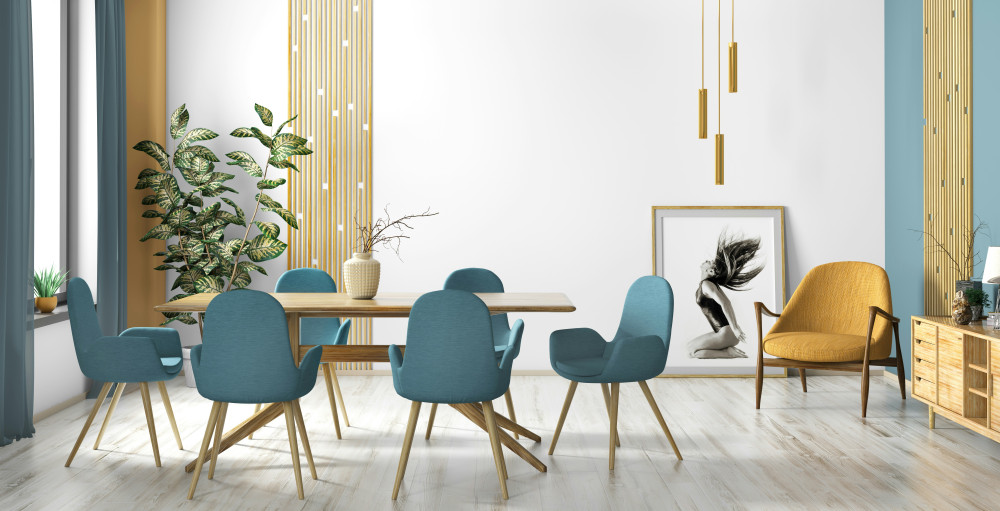
A single artwork can act as a focal point, breaking the monotony of clean lines and adding visual tension. It can also reflect who you are—your interests, travels, and memories—something minimalism alone rarely conveys. In this way, decorative art becomes not just an accent, but a voice within the room.
How to Find the Balance
Blending minimalism and decorative art requires intention. Too much decoration can overwhelm the calm, while too little can make a space feel sterile. Here are a few principles to help you strike the right balance:
- Choose fewer, but stronger pieces. One striking artwork can have more impact than a collection of smaller items.
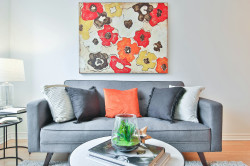
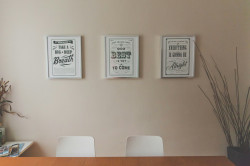
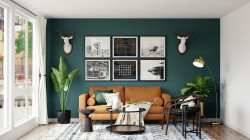
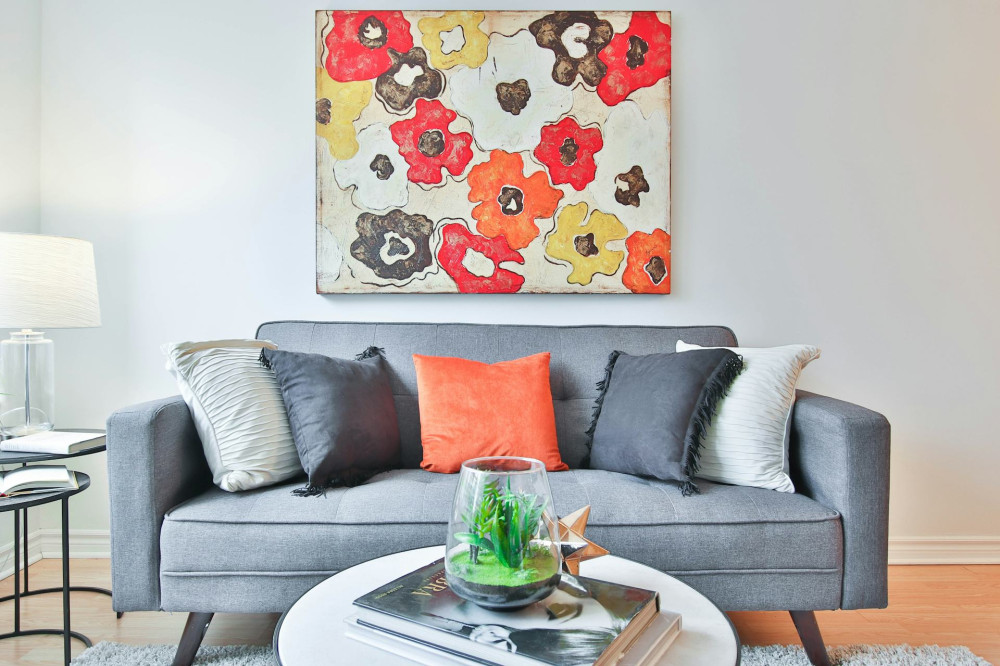
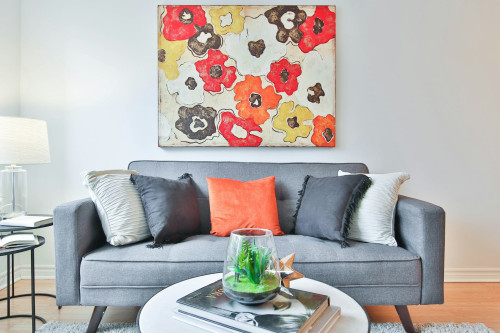
- Play with contrast. A colorful painting stands out beautifully against a neutral wall.
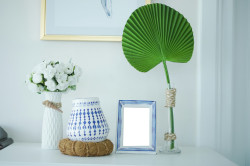
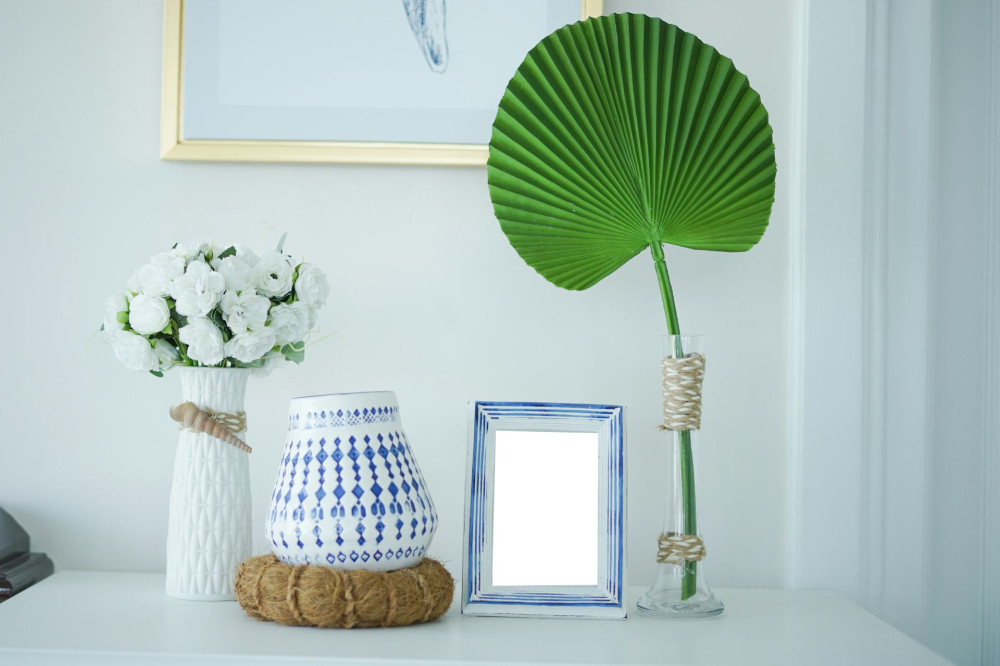
- Mix textures. Combine smooth surfaces with tactile materials—like a ceramic sculpture on a sleek shelf.
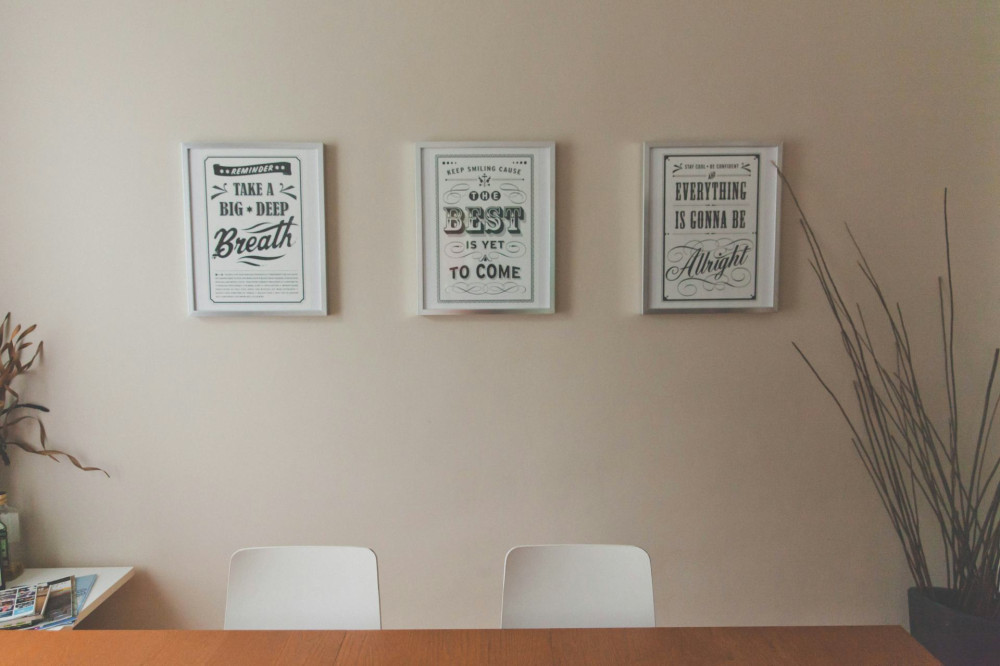
- Give art room to breathe. Leave space around each piece so it can command attention without clutter.
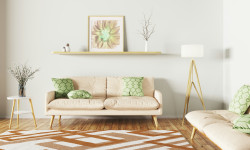
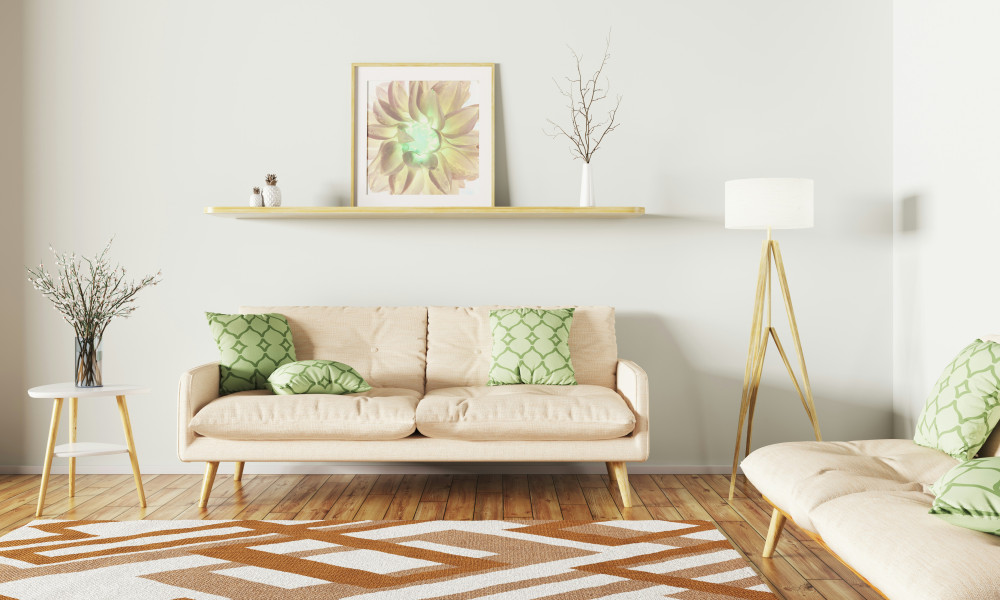
- Create color harmony. Echo tones from your artwork in pillows, rugs, or plants to tie the room together.
By thoughtfully combining these elements, you can design a home that feels both peaceful and inspiring—a place where minimalism’s clarity meets art’s warmth.
Art as a Mood Setter
Decorative art also shapes the mood of a space. A soft-toned abstract piece can evoke calm, while a vibrant, expressive painting can energize a room. Choosing art that reflects the atmosphere you want allows you to transform your home’s feeling without changing its structure or furniture.
Art can also spark conversation. It invites curiosity and gives guests a glimpse into your personality. In this way, art becomes more than decoration—it becomes part of your home’s story.
Læs også:
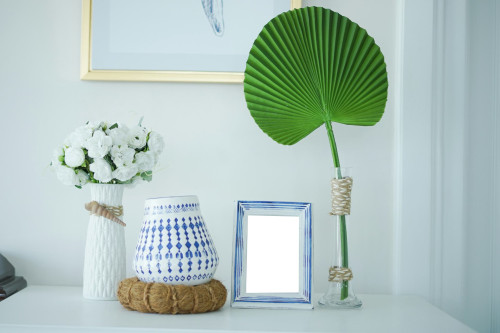
When Simplicity and Expression Meet
Today’s design trends move away from extremes. It’s no longer about being purely minimalist or fully maximalist, but about creating a space that feels authentic. Minimalism provides structure and calm; decorative art adds soul and warmth.
When these two meet, something special happens—a home that feels both refined and alive, balanced and expressive. It’s where aesthetics turn into atmosphere, and where design becomes not just about style, but about living well.
Læs også: