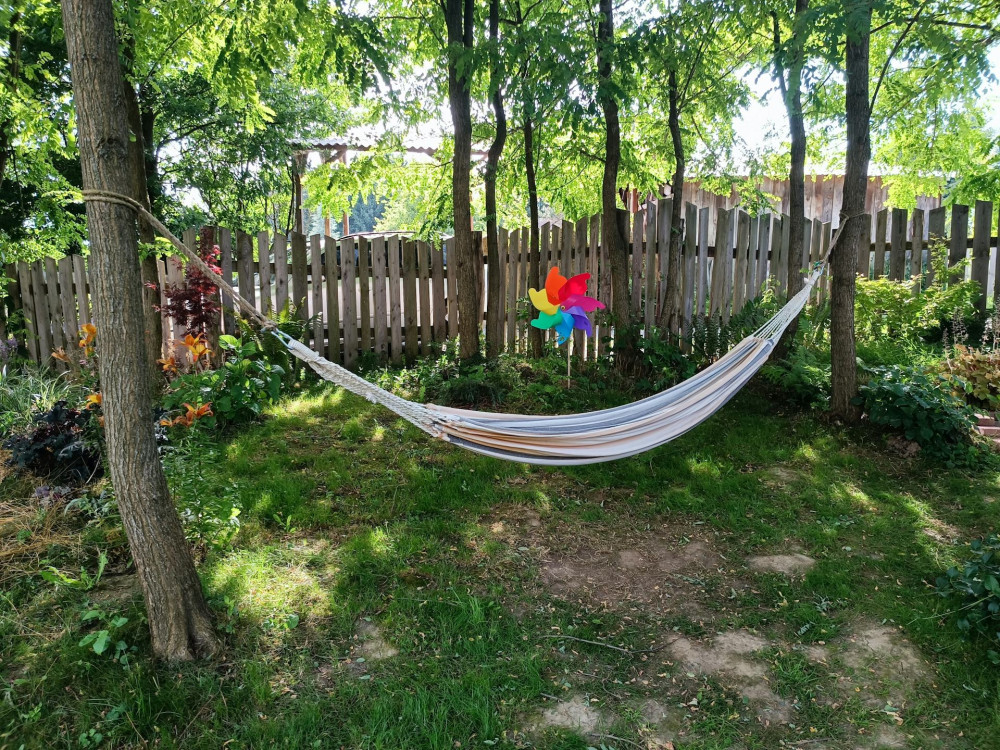
Create a Natural Look with Wild Plants Around Your Kitchen Garden

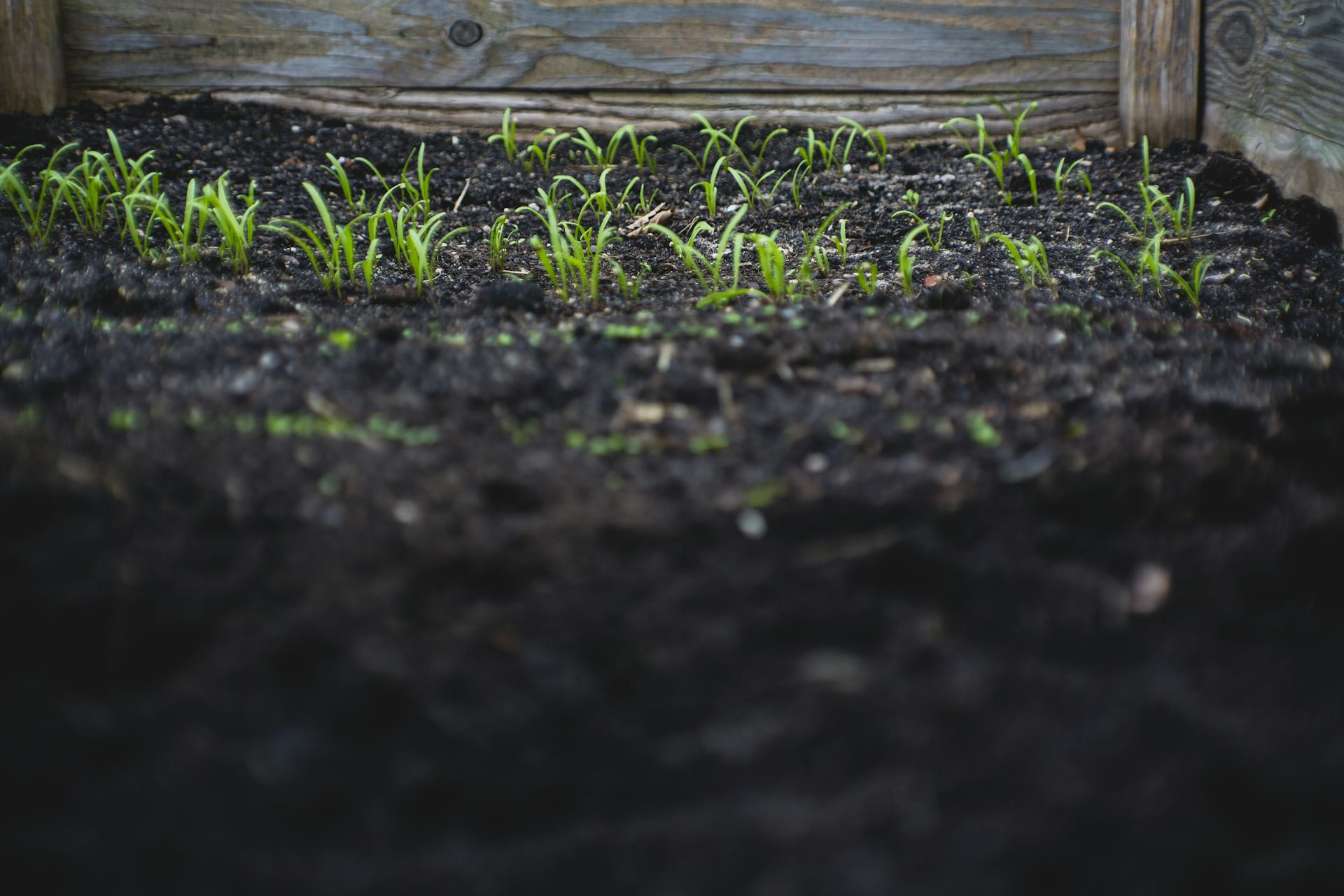
Create a Natural Look with Wild Plants Around Your Kitchen Garden
A kitchen garden is a vibrant place—full of scents, colors, and flavors. But the space around your vegetable beds plays just as big a role in the overall atmosphere. By letting wild plants grow around your kitchen garden, you can create a more natural, balanced, and sustainable look. It not only adds character but also attracts bees, butterflies, and other beneficial insects. Here’s how you can use native wild plants to blend the cultivated and the natural in your backyard.
Why Choose Wild Plants?
Wild plants are naturally adapted to local conditions, require less maintenance, and support biodiversity. They thrive without much fertilizer or watering and give your garden a relaxed, organic feel—as if nature itself helped design it.
Many native species also serve as helpful companions in the kitchen garden. They attract pollinators, deter pests, and can even improve soil health. A border of wildflowers, for example, can draw hoverflies that feed on aphids, while clover helps fix nitrogen in the soil.
Create a Natural Transition
One of the best ways to integrate wild plants is by creating a soft transition between your kitchen garden and the rest of your yard. Instead of a sharp edge of lawn or paving stones, let a narrow strip of wildflowers and herbs grow freely.
You might:
- Let black-eyed Susans, yarrow, and purple coneflowers form a colorful border.
- Sow wild carrot and chicory in corners where you don’t grow vegetables.
- Mix native grasses like little bluestem or switchgrass with flowers for a more natural look.
The goal isn’t to let the garden run wild, but to find a balance between order and spontaneity.
Choose Plants That Fit Your Site
When selecting wild plants, consider your soil type and light conditions. Some species love dry, sunny spots, while others prefer moist or shaded areas.
- Dry and sunny areas: butterfly milkweed, coreopsis, blanket flower, prairie clover.
- Moist areas: swamp milkweed, blue flag iris, Joe-Pye weed.
- Partial shade: wild geranium, columbine, woodland phlox.
You can buy native seed mixes suited to your region or collect seeds responsibly from local wild areas—just be sure to take only small amounts from abundant populations.
Embrace Imperfection
A garden with wild plants doesn’t have to look perfectly tidy. In fact, a bit of irregularity gives it charm and life. Let some plants go to seed, and trim only when necessary. You can mow or cut back certain areas once or twice a year to maintain a balance between wild and well-kept.
A good approach is to work with zones: keep the area closest to your kitchen garden more orderly, and allow the outer edges to grow more freely. This creates both structure and a sense of natural flow.
Læs også:


Create Habitats for Wildlife
Wild plants are just one part of a thriving natural garden. You can enhance the effect by adding small habitats:
- A pile of branches or stones provides shelter for insects and small animals.
- A birdbath or small pond attracts birds, bees, and butterflies.
- Pollinator-friendly flowers like bee balm, goldenrod, and asters provide food throughout the season.
When you combine these elements, your garden will hum with life—and look beautiful in every season.
A Kitchen Garden in Harmony with Nature
Letting wild plants grow around your kitchen garden isn’t about giving up control—it’s about working with nature. You’ll have a garden that requires less effort, supports more life, and feels more authentic. It’s a way of gardening that pleases the eye, benefits the environment, and brings a sense of calm to your daily routine.
So next time you plan your kitchen garden, think not only about what you’ll plant in the beds—but also what will grow around them. That’s where the real magic happens.
Læs også: