Let Nature’s Rhythm Inspire Your Garden’s Expression


Let Nature’s Rhythm Inspire Your Garden’s Expression
A garden can be much more than a patch of lawn and a few flowerbeds. It can be a living space that moves with the seasons and reflects nature’s own rhythm. When we let nature guide how we design and care for our gardens, we create not only beauty but also a more sustainable and harmonious outdoor space—one where plants, wildlife, and people thrive together.
Think in Seasons, Not Perfection
In nature, nothing stays the same. There are no straight lines or endless blooms—everything changes with the seasons, and your garden can too. Instead of striving for a static, “finished” look, let your garden evolve throughout the year.
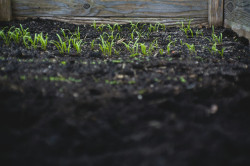
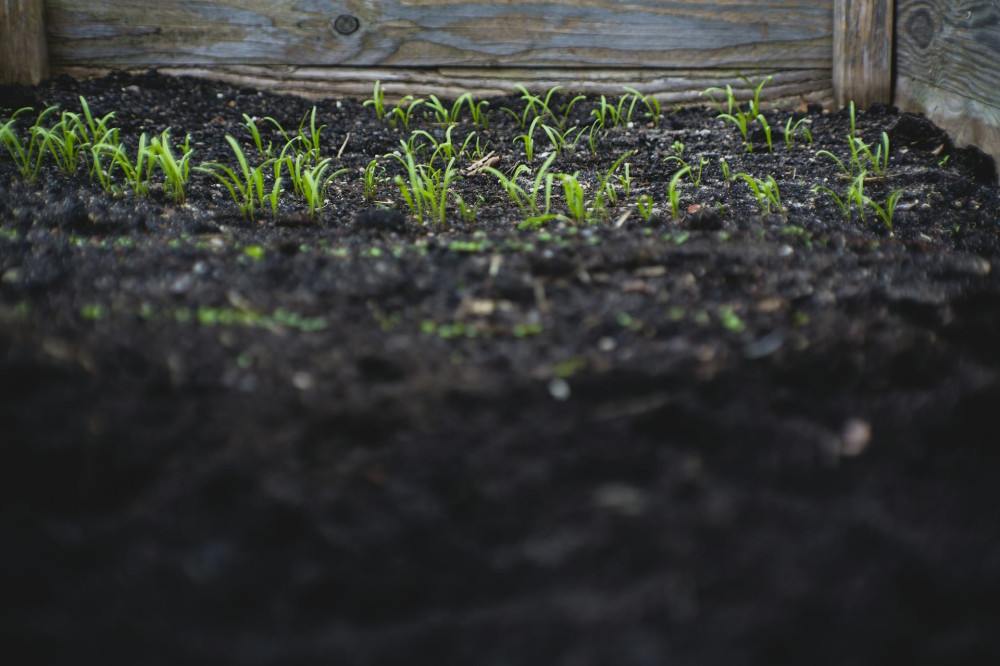
- Spring is about renewal and anticipation. Early bulbs and cool-season perennials bring life while the soil is still moist and fresh.
- Summer celebrates abundance. Let flowers and grasses grow a little wild, and enjoy the hum of bees and butterflies.
- Fall invites rest and reflection. Fading blooms, seed heads, and fallen leaves add texture and feed the soil.
- Winter reveals the garden’s bones—the bare branches, evergreens, and subtle shapes that often go unnoticed in summer.
When you embrace change, your garden becomes more alive—and you feel more connected to the natural cycles around you.
Create Space for Life
A garden that follows nature’s rhythm is also a haven for pollinators, birds, and small creatures. You can support biodiversity without sacrificing beauty.
- Plant flowers that bloom at different times so bees and butterflies have food from spring through fall.
- Leave a corner a little wild with tall grasses or native wildflowers.
- Add birdhouses, bee hotels, or brush piles to provide shelter.
- Avoid pesticides and synthetic fertilizers—nature can balance itself if given time.
When your garden buzzes with life, it becomes not only more beautiful but also more resilient to pests, drought, and disease.
Choose Plants That Belong
Instead of fighting your environment with constant watering, fertilizing, or pruning, choose plants that naturally thrive where you live. Look at your soil type, sunlight, and moisture levels—and let those guide your choices.
- In sunny, dry areas, native prairie plants like coneflower, black-eyed Susan, and little bluestem flourish.
- In shady spots, ferns, hostas, and woodland natives like wild ginger create calm, green layers.
- In moist or low-lying areas, try swamp milkweed, blue flag iris, or Joe-Pye weed.
When plants grow where they naturally belong, your garden needs less maintenance—and feels more in tune with its surroundings.
Use Materials That Blend with the Landscape
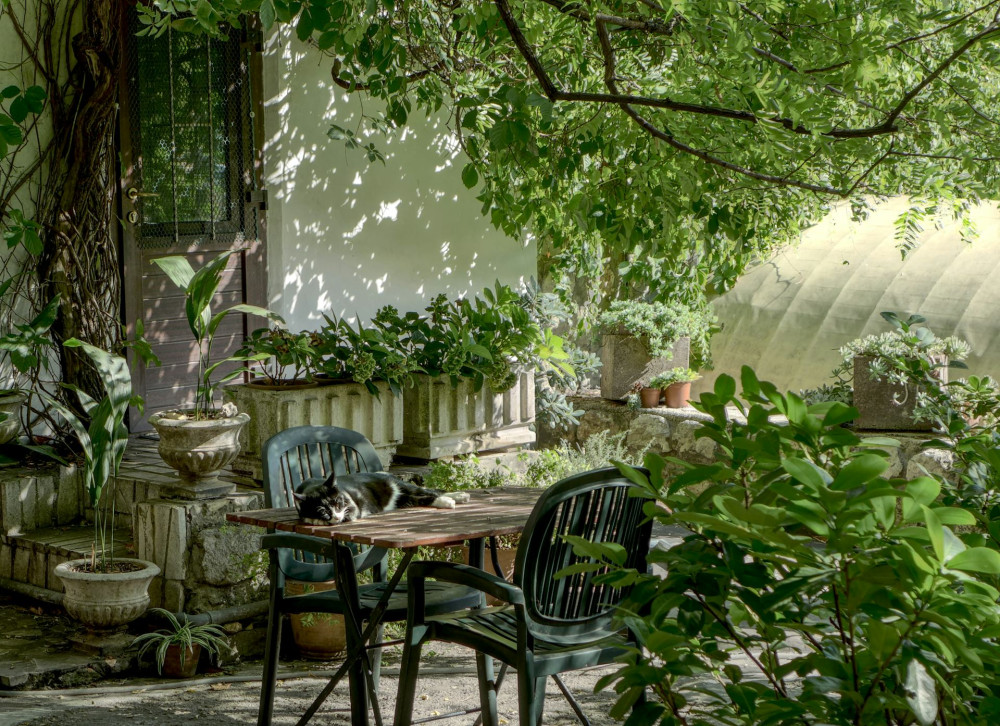
Nature’s rhythm isn’t just about plants—it’s also about the materials you use. Wood, stone, gravel, and clay age gracefully and fit naturally into the landscape. A weathered fence, a flagstone path, or a reclaimed wood bench can add character without feeling artificial.
Consider reusing what your garden already offers—fallen branches can edge a bed, and stones unearthed during digging can become accents or borders. These choices create a more organic look and reduce waste.
Læs også:



Allow for Pause and Change
A garden that follows nature’s rhythm doesn’t demand constant control. It invites patience. Some years will bring lush growth; others will be quieter. Some plants will spread, others will fade away. That’s part of the story.
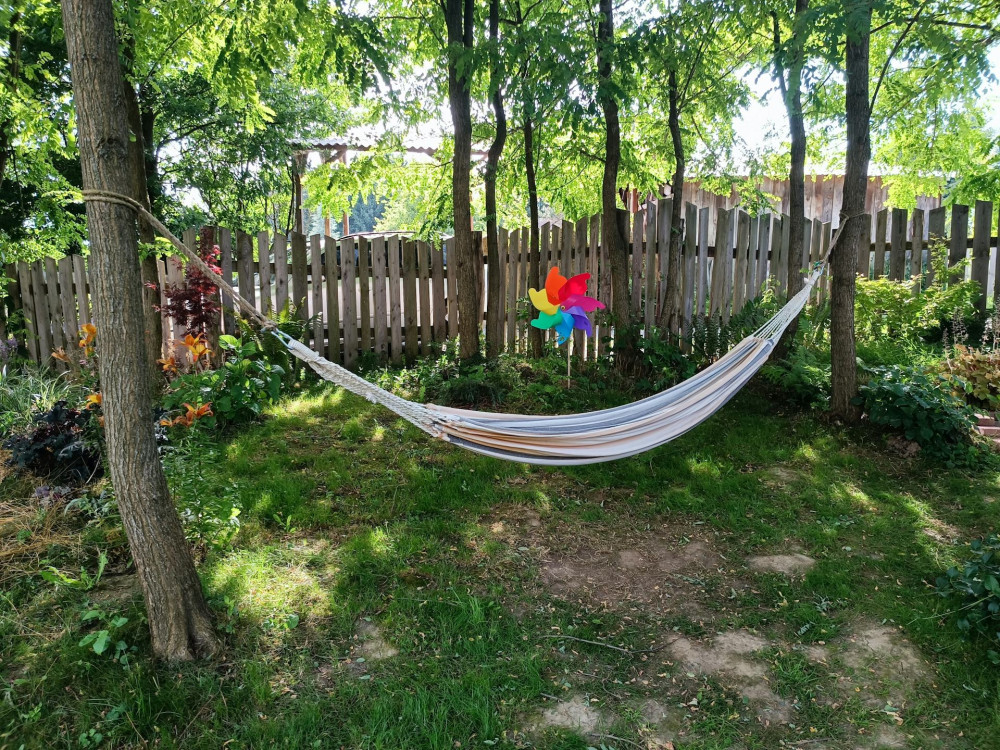
Take time to observe how your garden changes. Sit with a cup of coffee, listen to the birds, feel the breeze, and notice the scent of the soil. In those quiet moments, you’ll realize your garden isn’t just a project—it’s a living conversation between you and the land.
A Garden in Balance
When you let nature’s rhythm inspire your garden’s expression, you create a space that feels authentic and peaceful. A garden that doesn’t need to be perfect—just alive. It becomes a reflection of the seasons and a sanctuary where you can slow down and reconnect with what’s real.
Following nature’s rhythm isn’t about giving up on beauty—it’s about finding beauty in the imperfect. That’s where your garden gains soul—and where you find a deeper connection to the place you call home.
Læs også: