Save Fuel in the Garden – Avoid Unnecessary Use

Save Fuel in the Garden – Avoid Unnecessary Use
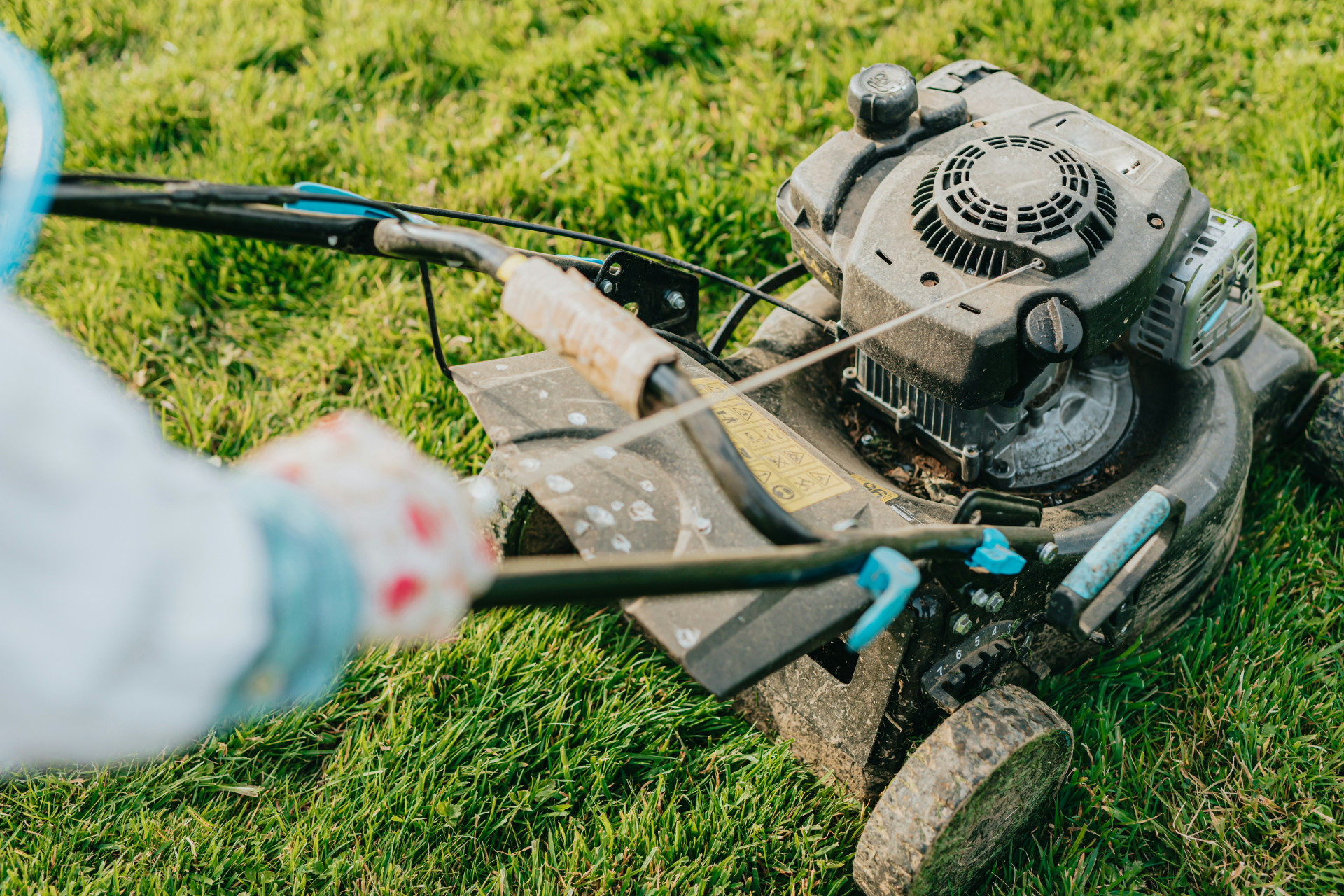
Many homeowners use more fuel than necessary when mowing the lawn, trimming hedges, or cleaning patios. It costs money and puts an unnecessary strain on the environment. With a few simple changes in habits and equipment care, you can cut fuel use significantly—without sacrificing results. Here’s how to make every drop count in your garden.
Know Your Equipment – and Maintain It
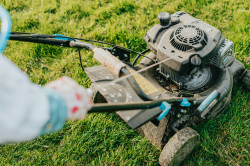
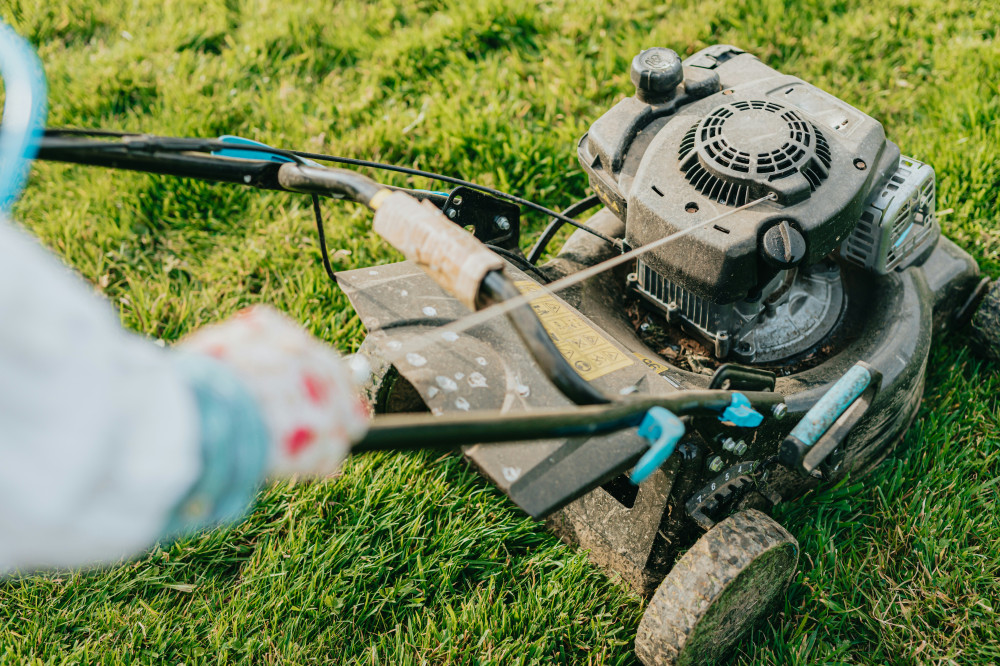
A well-maintained tool uses less fuel. When the engine runs efficiently, energy is used more effectively, and waste is reduced.
- Clean the air filter regularly—a clogged filter forces the engine to work harder.
- Check the spark plug—a worn plug can cause poor combustion and higher fuel use.
- Keep blades and trimmer lines sharp—dull blades require more power to do the same job.
- Change oil and fuel as recommended—old oil or the wrong fuel mix can damage the engine and increase consumption.
An annual tune-up is worth the cost, especially if you use your machines frequently.
Plan Your Work – and Avoid Idling
Frequent starts and stops can quickly increase fuel use. Plan your yard work so you can make the most of your time and equipment.
- Mow in continuous rows instead of stopping and starting repeatedly.
- Don’t let the engine idle while you pick up branches or move tools.
- Group motorized tasks together on the same day to reduce the number of times you start your machines.
Small changes in routine can make a big difference over the course of a season.
Choose the Right Tool for the Job
You don’t always need a gas-powered machine. Many tasks can be done just as effectively—and often faster—with hand tools or electric equipment.
- Use manual hedge shears for small shrubs instead of a gas trimmer.
- Consider electric or battery-powered tools, which are often more energy-efficient and require less maintenance.
- For small lawns, a reel mower can be a great alternative—completely fuel-free.
Choosing the right tool saves energy, reduces noise, and lowers costs.
Læs også:



Mow Smart
Lawn mowing is one of the biggest fuel users in the yard, but a few adjustments can help you cut back.
- Mow when the grass is dry—wet grass clumps and makes the mower work harder.
- Mow less often, but don’t remove more than one-third of the grass height at a time.
- Leave grass clippings on the lawn as natural fertilizer (mulching)—it saves both time and energy.
If possible, let parts of your yard grow wild. It supports pollinators and wildlife while reducing the need for fuel-powered maintenance.
Consider Alternatives to Gas
Battery-powered garden tools have improved dramatically in recent years. Modern models offer strong performance, low noise, and no need for gasoline.
- Battery-powered mowers and trimmers are ideal for most suburban yards.
- Interchangeable battery systems let you use the same battery for multiple tools.
- Solar charging can be an eco-friendly way to keep your batteries ready to go.
While the initial investment may be higher, you’ll save on fuel and maintenance in the long run.
Think Green – Save Money and the Environment
Saving fuel in the garden isn’t just about cutting costs—it’s about caring for the environment. Lower fuel use means fewer emissions and a healthier neighborhood.
By combining good maintenance, smart planning, and thoughtful tool choices, you can significantly reduce your fuel consumption—and enjoy a quieter, greener, and more sustainable garden.
Læs også: