District Heating – Reliable Warmth and Predictable Energy Costs


District Heating – Reliable Warmth and Predictable Energy Costs
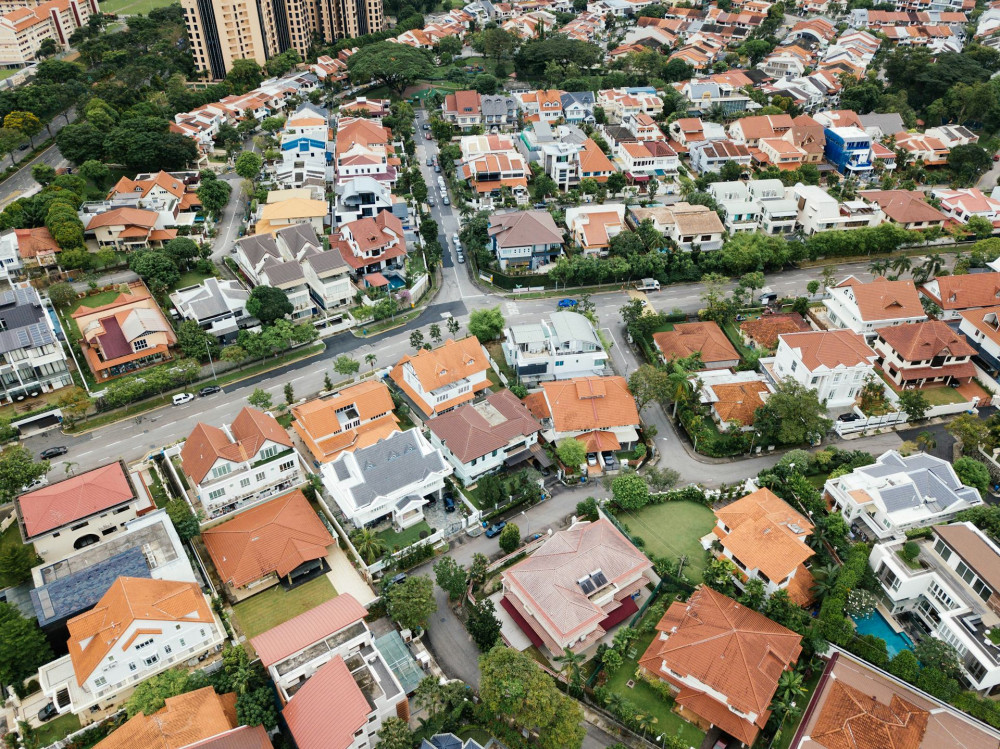
For many Americans, home heating means a furnace in the basement or a heat pump outside the house. But in several U.S. cities and campuses, another option is quietly proving its worth: district heating. This system delivers steady warmth and stable energy costs while supporting a cleaner, more efficient energy future. Here’s how it works and why it’s gaining renewed attention.
What Is District Heating?
District heating is a network-based system that supplies heat from a central plant to multiple buildings through insulated underground pipes. Instead of each building having its own boiler or furnace, heat is produced in one location—often using combined heat and power (CHP) plants, industrial waste heat, or renewable energy sources—and distributed as hot water or steam.
Because the heat is generated centrally, energy can be used far more efficiently. For example, excess heat from electricity generation, data centers, or manufacturing processes can be captured and reused instead of being released into the air. This approach turns what would otherwise be wasted energy into a valuable resource for heating homes, offices, and institutions.
A Reliable and Low-Maintenance Solution
One of the biggest advantages of district heating is its reliability. Once connected, customers receive heat automatically—no need to maintain a furnace, order fuel deliveries, or worry about equipment breakdowns. The system is monitored and maintained by the utility, ensuring consistent performance and quick response if issues arise.
For building owners and facility managers, this means fewer maintenance headaches and more predictable comfort. District heating systems are designed for long lifespans and can operate efficiently for decades with proper upkeep.
Predictable Energy Costs
District heating also offers financial stability. Because the heat is produced in bulk and often from local or recycled energy sources, prices tend to be less volatile than those of natural gas or heating oil. Many district energy providers operate as public utilities or non-profit entities, focusing on cost recovery rather than profit.
This stability makes budgeting easier for households, businesses, and institutions alike. In an era of fluctuating fuel prices, predictable heating costs can be a major advantage.
Supporting a Cleaner Energy Future
District heating plays an important role in reducing greenhouse gas emissions. By integrating renewable and recovered energy sources—such as biomass, geothermal heat, large-scale heat pumps, and waste heat from industry—district systems can significantly lower the carbon footprint of heating.
Cities like Boston, St. Paul, and Seattle are already expanding or modernizing their district energy networks to align with climate goals. As the U.S. transitions toward cleaner electricity and more efficient energy use, district heating offers a practical way to decarbonize urban heat supply.
Læs også:


Considering District Heating for Your Community
While district heating is most common in dense urban areas, universities, hospitals, and mixed-use developments across the country are increasingly adopting it. For communities planning new infrastructure or redeveloping older neighborhoods, district energy can be a smart long-term investment.
If your city or campus is exploring sustainable heating options, it’s worth evaluating whether district heating could fit local conditions. Factors such as building density, available heat sources, and existing infrastructure all play a role. Energy planners and local utilities can help assess feasibility and potential cost savings.
The Future of Heat
District heating is not a new idea—it has been used in parts of the U.S. for over a century—but new technologies are making it more efficient and climate-friendly than ever. Low-temperature networks, thermal energy storage, and integration with renewable electricity are transforming how heat is produced and shared.
For American communities seeking reliable warmth, stable costs, and a path toward lower emissions, district heating offers a proven and forward-looking solution. It’s a way to stay comfortable today while investing in a more sustainable energy future.
Læs også: