Smart Energy Systems: How Multiple Energy Sources Work Together at Home

Smart Energy Systems: How Multiple Energy Sources Work Together at Home
As more Americans invest in rooftop solar panels, heat pumps, and electric vehicles, the question of how to make these technologies work together becomes increasingly important. Smart energy systems make it possible to use electricity more efficiently, reduce waste, and create a more sustainable lifestyle—without sacrificing comfort. But how exactly do multiple energy sources interact, and what benefits can homeowners expect?
What Is a Smart Energy System?
A smart energy system is an integrated setup where a home’s energy sources and appliances communicate with each other. It might include solar panels, a home battery, a heat pump, an electric vehicle, and a digital control system that coordinates everything automatically.
The goal is to use energy when it’s cheapest and cleanest—and to store or share it when it makes sense. The system can automatically adjust heating, cooling, and charging based on electricity prices, weather conditions, and your daily routines.
Solar Panels, Batteries, and Heat Pumps: A Powerful Combination
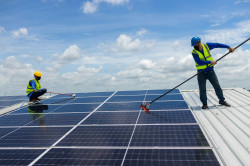
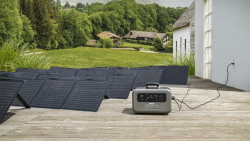
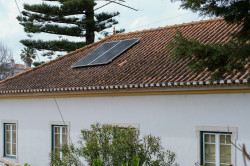
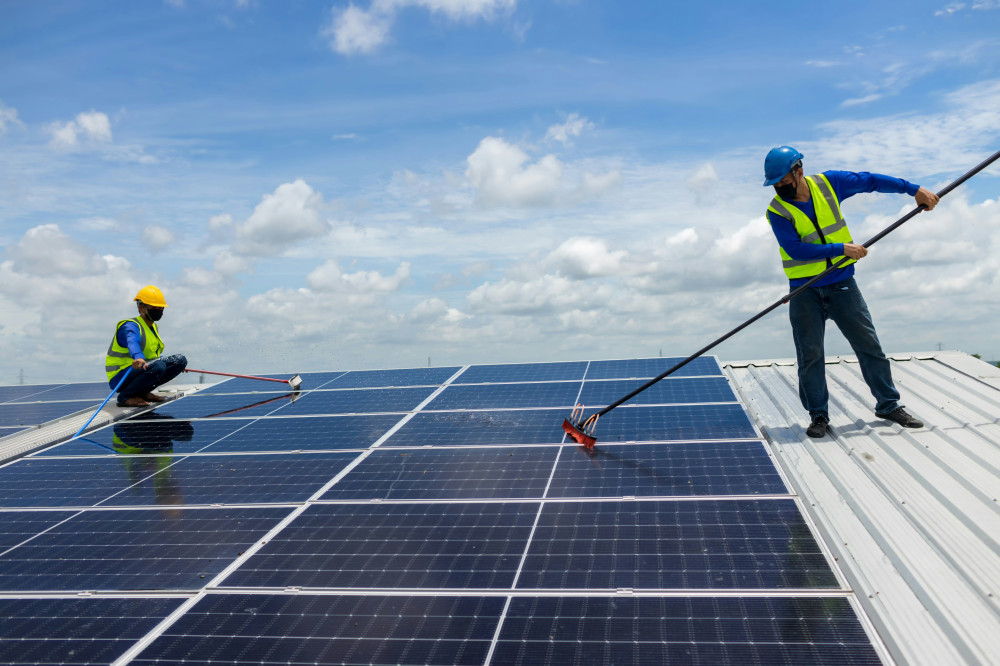
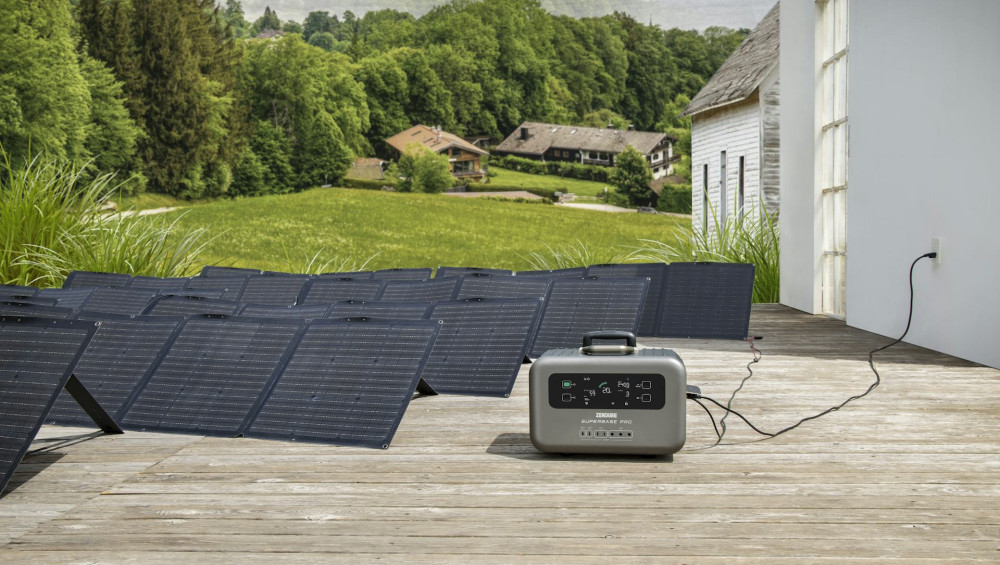
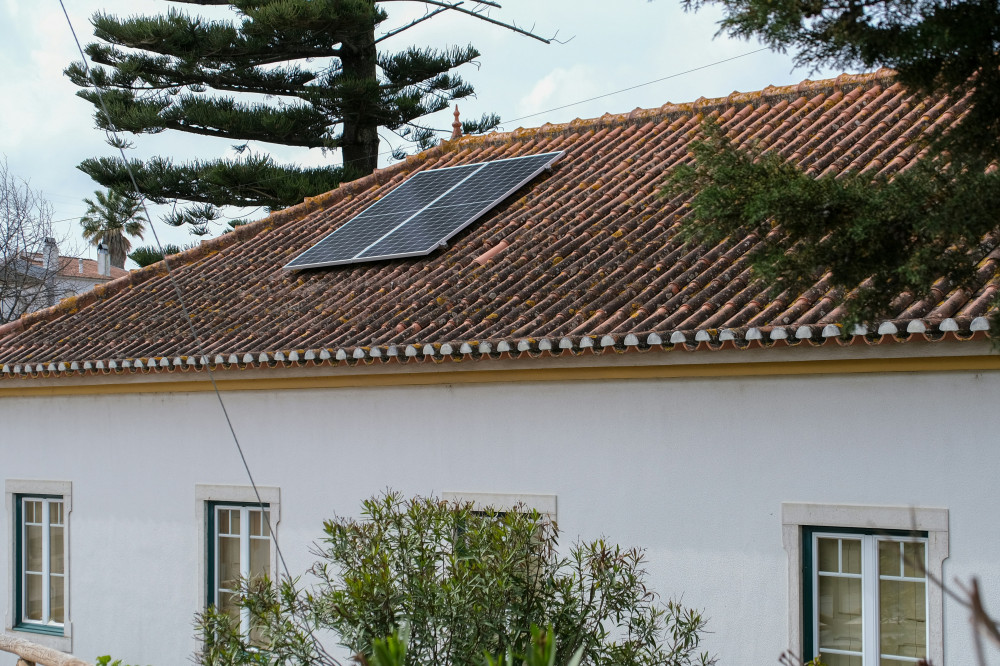
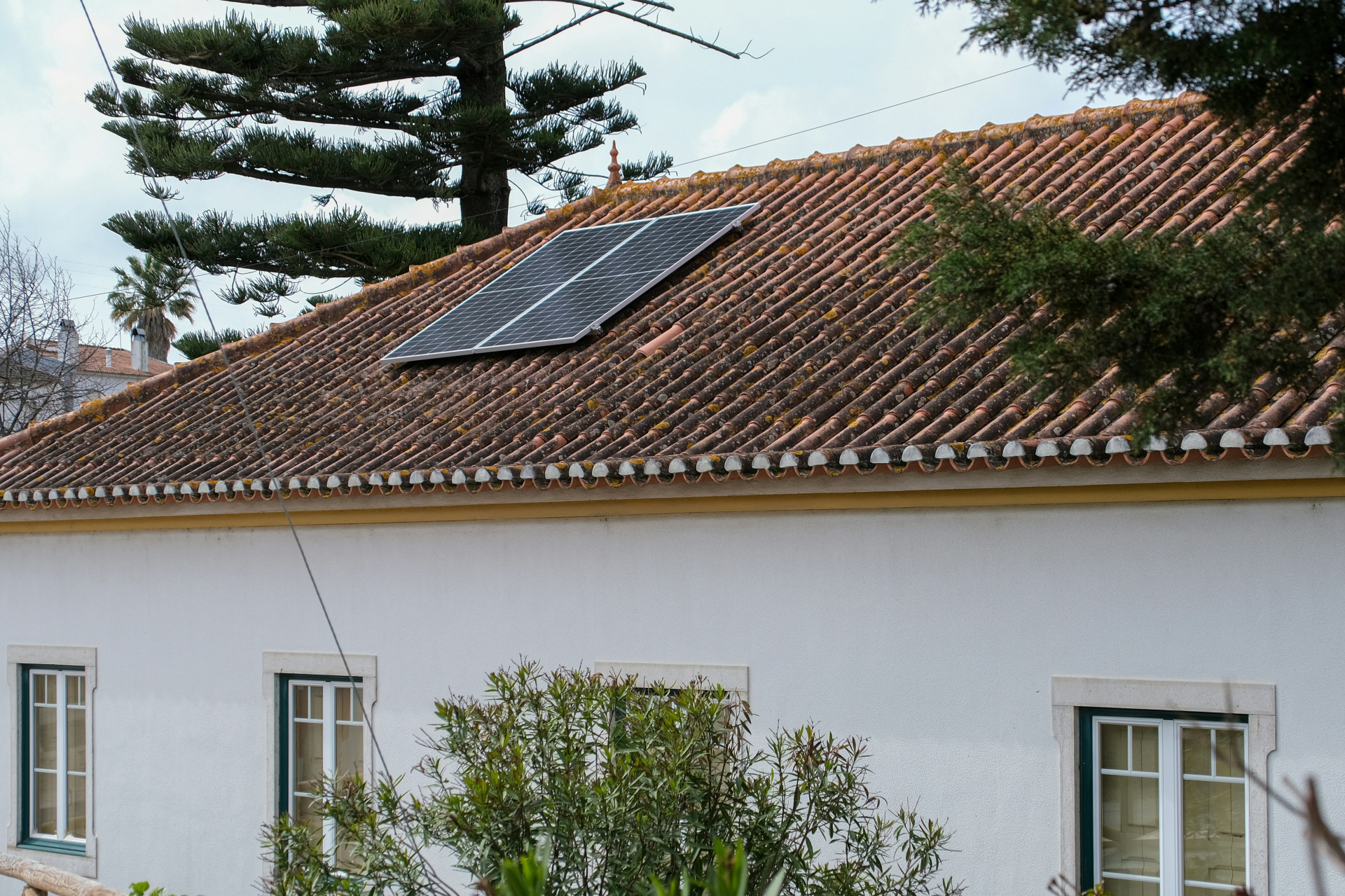
A common example of a smart energy system is the combination of solar panels, a home battery, and a heat pump. Solar panels generate electricity during the day, often when household demand is low. Instead of sending excess power back to the grid, it can be stored in a battery and used later—such as in the evening when you’re cooking dinner or watching TV.
Meanwhile, the heat pump can use that low-cost or self-produced electricity to heat your home or water. This ensures that energy is used efficiently and reduces the need to buy expensive power from the grid.
The Electric Vehicle as Part of the System
An electric vehicle (EV) is more than just a way to get around—it can also serve as a flexible energy storage unit. With emerging technologies like “vehicle-to-grid” (V2G), an EV can both receive and supply electricity. That means you can charge your car when electricity is cheap and feed energy back to your home or the grid when demand is high.
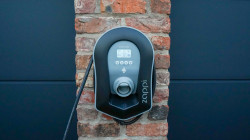
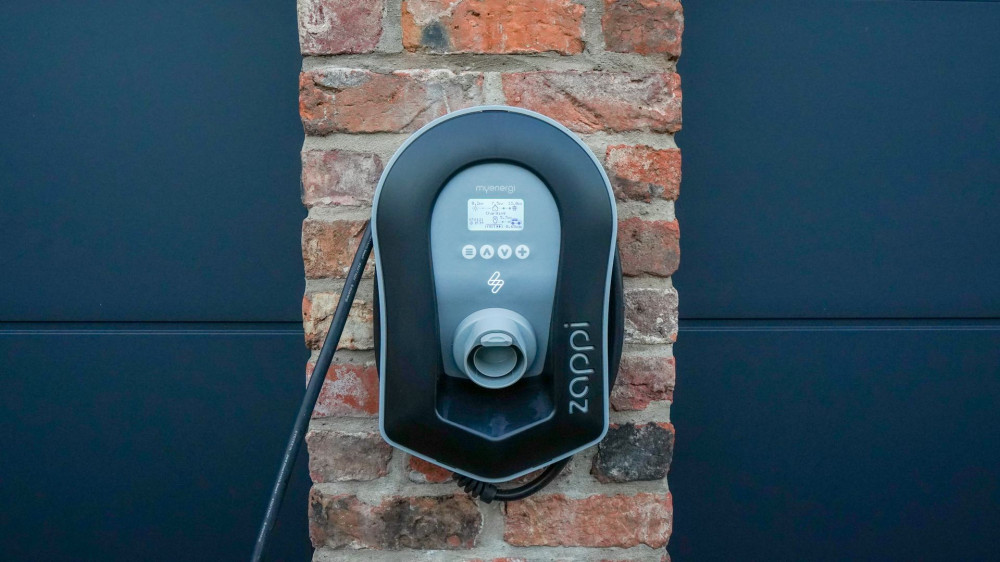
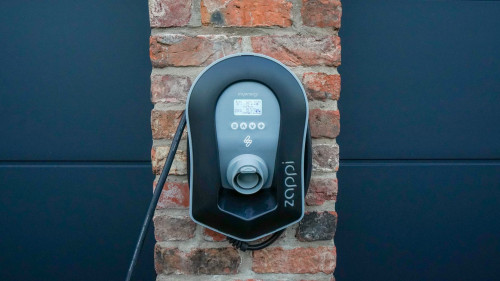
Even without V2G, a smart charger can schedule charging for the most cost-effective times, saving money and easing pressure on the grid.
Control and Automation: The Brain of the System
At the heart of a smart energy system is the control unit. A digital management platform—often accessible through a smartphone app—monitors production, consumption, and prices in real time. It can automatically decide when to use, store, or sell electricity.
For example, the system can:
- Run the heat pump when electricity prices are low.
- Charge the EV when solar panels are producing the most.
- Turn off nonessential devices during peak hours.
- Provide insights into your energy savings and usage patterns.
This automation makes it easy to use energy efficiently without constant manual adjustments.
Læs også:
Benefits for Both Wallet and Planet
A smart energy system can significantly lower your electricity bill by maximizing the use of your own solar power and minimizing purchases from the grid. At the same time, it helps stabilize the power network and reduce carbon emissions.
When many households manage their energy intelligently, it becomes easier to integrate renewable sources like solar and wind into the national grid—an essential step toward a cleaner energy future.
Getting Started
If you’re considering making your home more energy-efficient, start by mapping out your current energy sources and usage patterns. Then explore which technologies best fit your home and budget.
- If you already have solar panels, adding a battery and smart control system could be the next step.
- If you have a heat pump, connect it to an intelligent controller that optimizes its operation.
- If you’re planning to buy an EV, choose a charger that can integrate with a smart energy system.
Many U.S. utilities and installers now offer complete packages that include equipment, software, and professional guidance.
The Future Home Is Flexible
Smart energy systems aren’t just for tech enthusiasts—they’re becoming a natural part of modern living. As technology becomes more user-friendly and affordable, more households will be able to manage energy intelligently.
It’s not only about saving money; it’s about creating a home that interacts seamlessly with its surroundings—where energy flows smoothly between solar power, heating, transportation, and everyday use. A home that thinks green, even when you’re not thinking about it.
Læs også: