Is Your Home’s Electrical Safety Up to Standard? Here’s How to Check

Is Your Home’s Electrical Safety Up to Standard? Here’s How to Check
Most of us take it for granted that the electricity in our homes works as it should. But behind outlets, switches, and light fixtures, hidden problems can cause shocks, fires, or damage to appliances. Electrical safety isn’t just about avoiding accidents—it’s about protecting your family and your home. Here’s a guide to help you check whether your home’s electrical system is up to standard.
Start with an Overview of Your Electrical System
A good first step is to understand how old your home’s wiring is and whether any upgrades have been made. Many older homes still have wiring or panels that don’t meet today’s safety standards.
- Check your electrical panel: Modern homes should have circuit breakers and at least one Ground Fault Circuit Interrupter (GFCI) or Arc Fault Circuit Interrupter (AFCI). These devices protect against shocks and electrical fires by cutting power instantly when a fault is detected.
- Look for documentation: If electrical work has been done, there should be permits or inspection records from a licensed electrician.
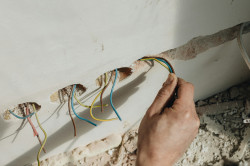
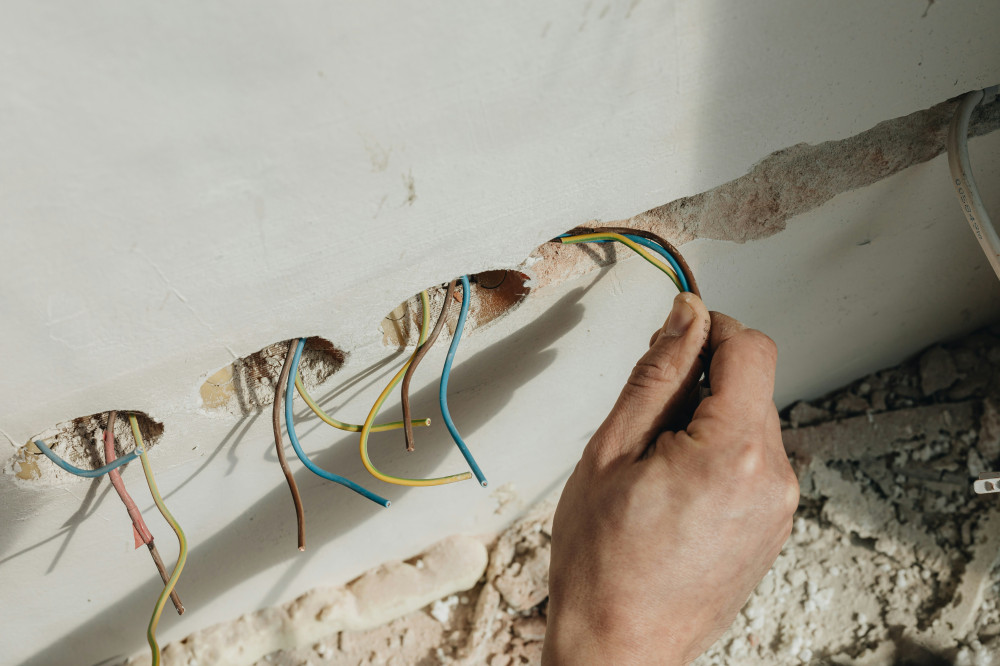
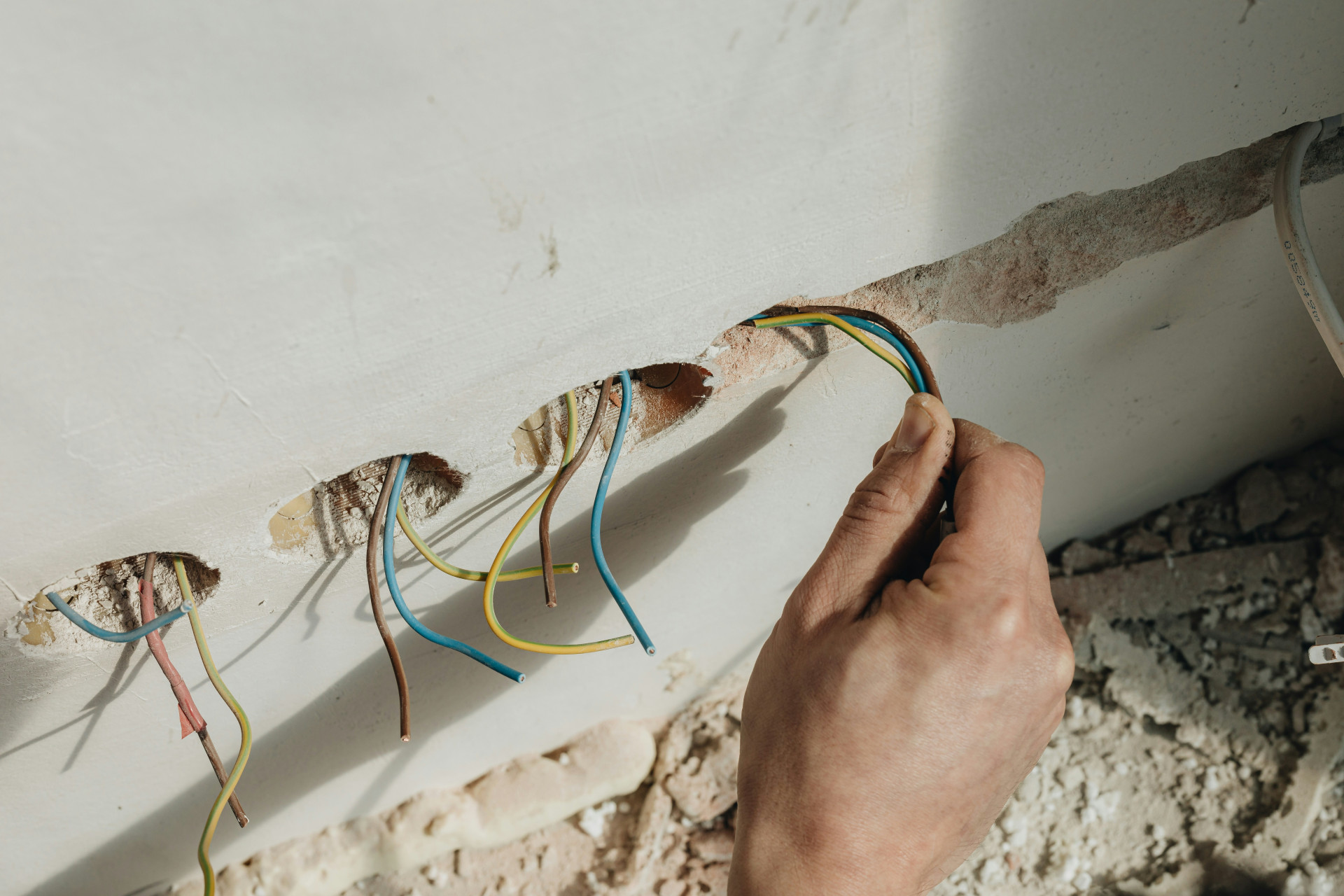
- Watch out for outdated wiring: Knob-and-tube or aluminum wiring, common in older homes, can pose safety risks and may need replacement.
If you’re unsure about the age or condition of your system, consider scheduling a professional electrical inspection.
Test Your GFCI Outlets and Breakers
GFCIs are among the most important safety features in a home. They’re designed to protect you from electric shock, especially in areas where water is present.
Here’s how to test them:
- Locate the GFCI outlet or breaker—it will have “Test” and “Reset” buttons.
- Press the “Test” button. The power should shut off immediately.
- Press “Reset” to restore power. If it doesn’t trip or reset properly, call a licensed electrician.
Experts recommend testing GFCIs at least once every three months to ensure they’re working correctly.
Inspect Outlets, Cords, and Switches
Many electrical accidents start with small issues that could have been caught early. Take a walk through your home and look for:
- Loose outlets or switches – these can cause arcing and heat buildup.
- Damaged cords – frayed or cracked insulation is a fire hazard.
- Overloaded power strips – avoid plugging too many devices into one outlet.
- Warm or discolored outlets – these are signs of overheating and should be checked immediately.
A quick visual inspection can prevent serious problems down the road.
Be Careful with Electricity in Wet Areas
Water and electricity are a dangerous combination. Bathrooms, kitchens, laundry rooms, and outdoor areas require special attention.
- Make sure outlets near sinks, tubs, or outdoor areas are GFCI-protected.
- Never use extension cords or hair dryers near water.
- If you ever feel a shock when touching a metal fixture, turn off the power at the breaker and call an electrician right away.
Know What You Can Do Yourself—and What You Shouldn’t
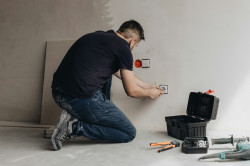
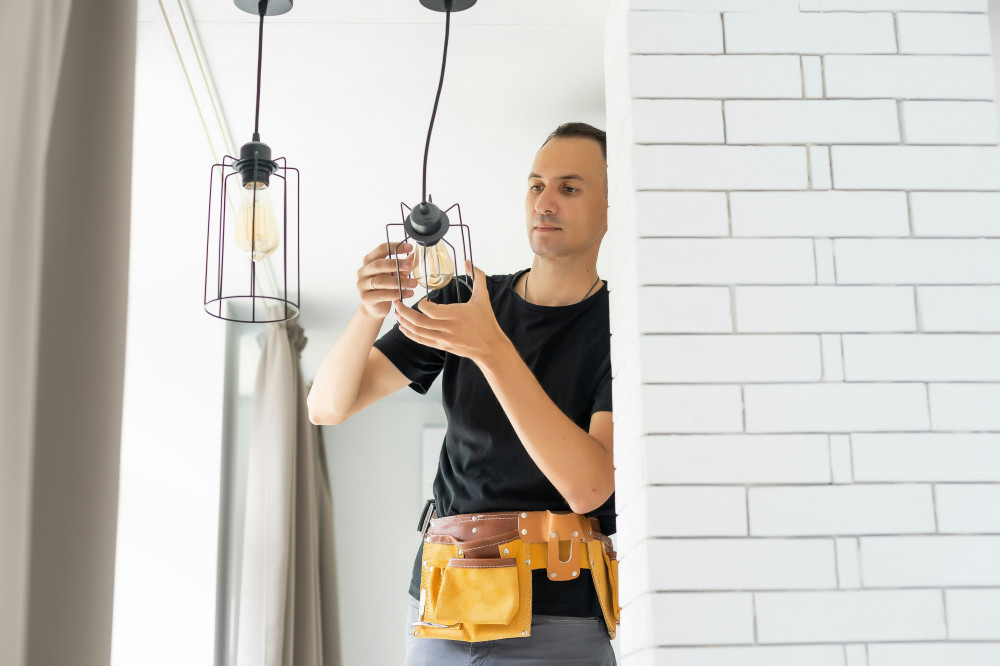
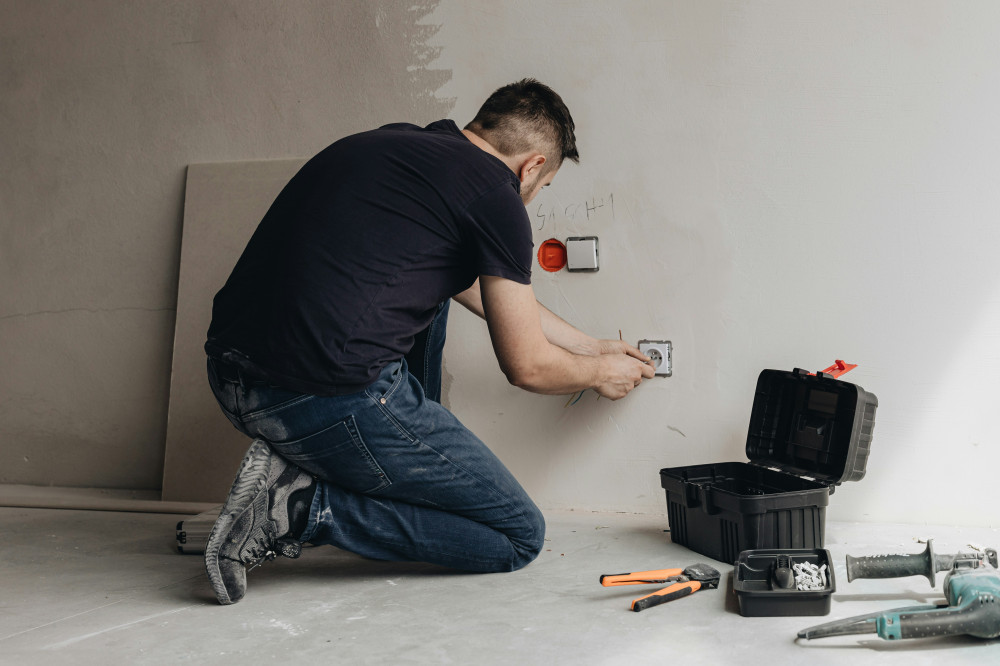
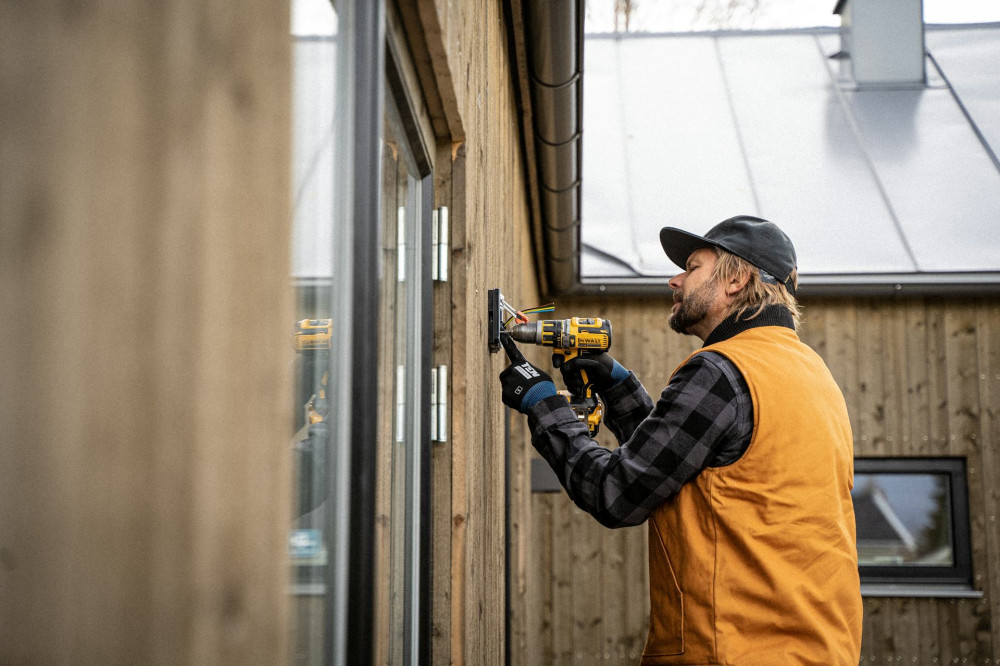
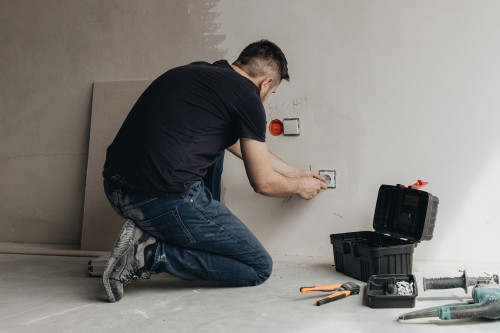
There are a few simple electrical tasks most homeowners can safely handle, such as changing light bulbs or replacing a damaged extension cord. But anything that involves wiring inside walls, installing new outlets, or working in the electrical panel should always be done by a licensed electrician.
DIY electrical work can be dangerous and may void your homeowner’s insurance if something goes wrong.
Schedule a Professional Electrical Inspection
If your home is more than 30 years old, or if you notice flickering lights, frequent breaker trips, or outlets that feel warm, it’s time for a professional inspection. A licensed electrician can evaluate your entire system, identify hazards, and recommend upgrades.
An inspection is a smart investment—it can improve safety, increase energy efficiency, and even boost your home’s resale value.
Læs også:
Electrical Safety Is an Ongoing Responsibility
Electrical safety isn’t a one-time task. It’s something you should revisit regularly by testing safety devices, checking for wear, and paying attention to warning signs. A little maintenance goes a long way toward keeping your home safe—and giving you peace of mind every time you flip a switch.
Læs også: