Replace Light Bulbs Safely and Correctly

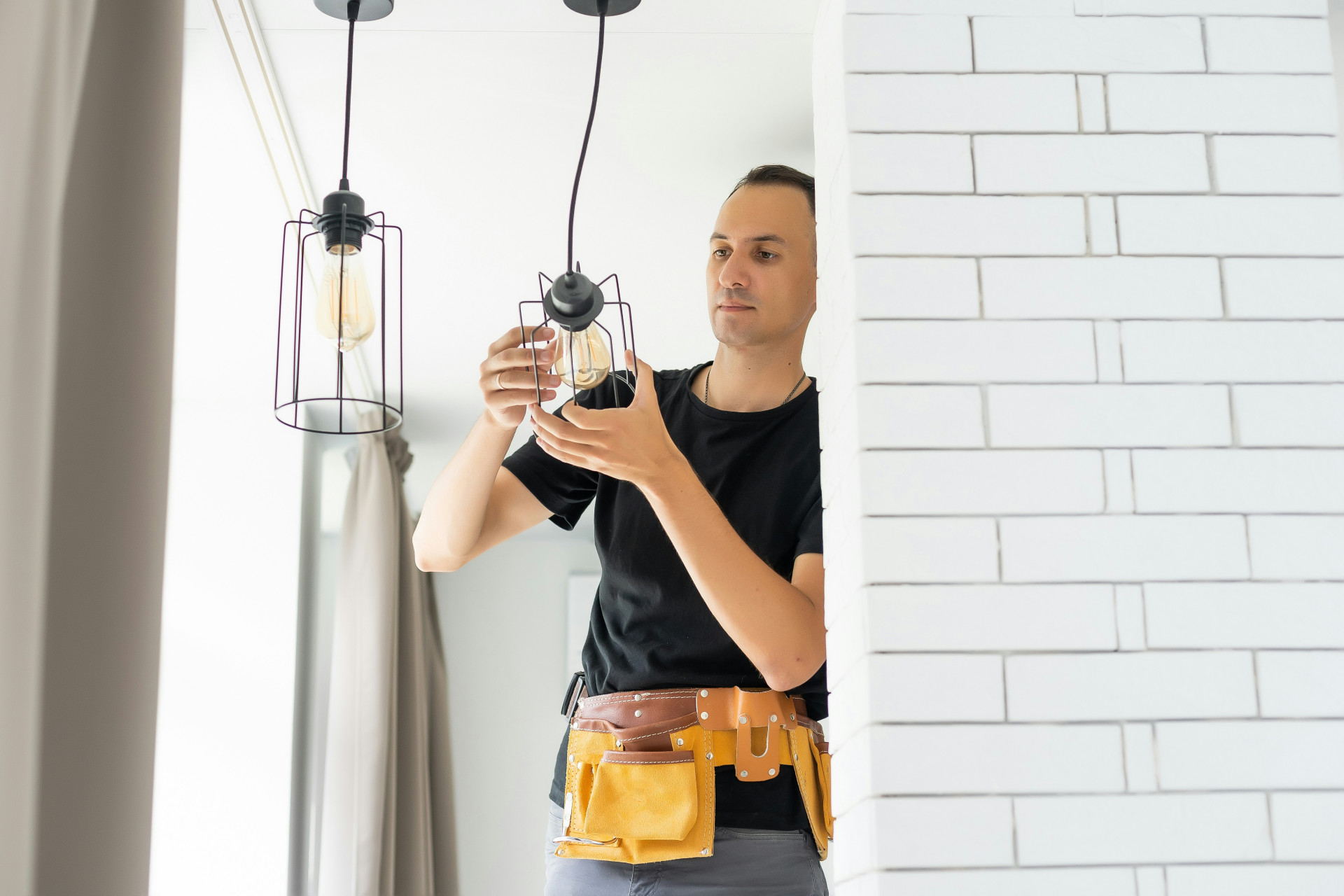
Replace Light Bulbs Safely and Correctly
Changing a light bulb may seem like one of the simplest household tasks, but it’s also one of the most common sources of small accidents at home. A careless approach can lead to electric shock, burns, or damage to your light fixture. Fortunately, with a few easy precautions, you can replace bulbs safely and correctly—whether it’s in your ceiling fixture, bathroom, or outdoor lighting.
Always Turn Off the Power First
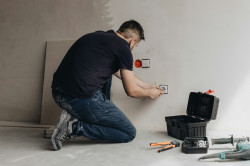
The most important step before touching any light fixture is to turn off the power. Start by switching off the light at the wall, and if you want to be extra cautious, flip the circuit breaker that controls that fixture. Some sockets can still carry a small amount of current even when the switch is off, so it’s best to be safe.
Wait a few minutes for the bulb to cool down before removing it. Incandescent and halogen bulbs can get extremely hot and may cause burns if handled too soon.
Choose the Right Bulb
When selecting a new bulb, pay attention to three key factors:
- Base type: Check the socket type—common ones in the U.S. include E26 (standard screw base), E12 (candelabra base), and GU10 (twist-and-lock base for spotlights).
- Wattage and brightness: Never exceed the maximum wattage listed on your fixture. Doing so can overheat the wiring. LED bulbs use much less energy, so you can get the same brightness with lower wattage.
- Color temperature: Choose warm white light (around 2700K) for cozy spaces like living rooms, and cooler white light (4000K or higher) for work areas such as kitchens or offices.
If you’re unsure, check the label on the fixture or consult the manufacturer’s instructions.
Step-by-Step: How to Replace a Light Bulb
- Turn off the power – at the switch and, if needed, at the circuit breaker.
- Let the bulb cool – especially if it was recently on.
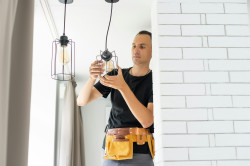
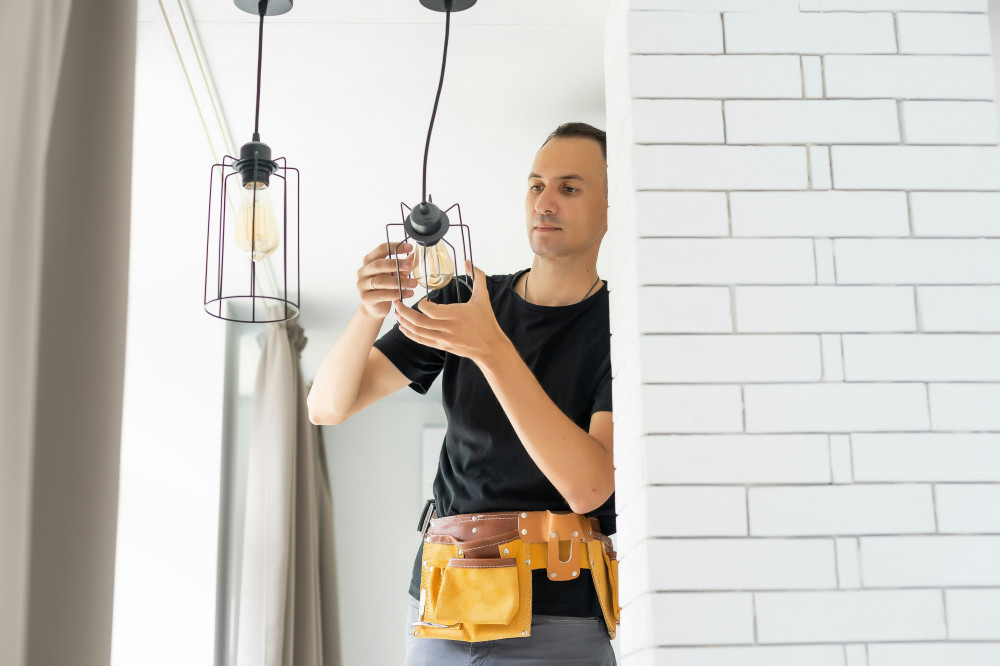
- Remove the old bulb – hold the base, not the glass, to avoid breakage.
- Inspect the socket – gently wipe away dust or debris with a dry cloth.
- Install the new bulb – screw it in until snug, but don’t overtighten.
- Turn the power back on – and test the light.
If the bulb doesn’t light up, make sure it’s properly seated or try it in another fixture to confirm it’s working.
Special Considerations for Bathrooms and Outdoor Fixtures
Moisture and electricity don’t mix. In bathrooms and outdoor areas, use fixtures and bulbs rated for damp or wet locations. Look for the UL Wet Location or Damp Location label on the packaging.
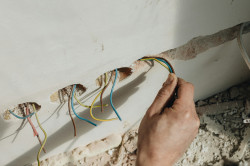
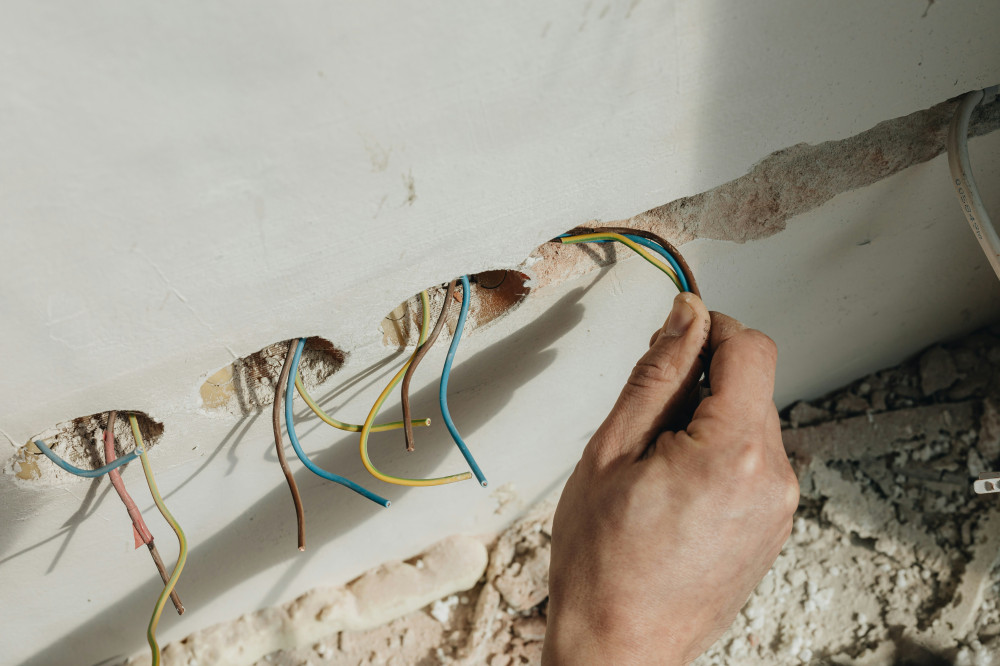
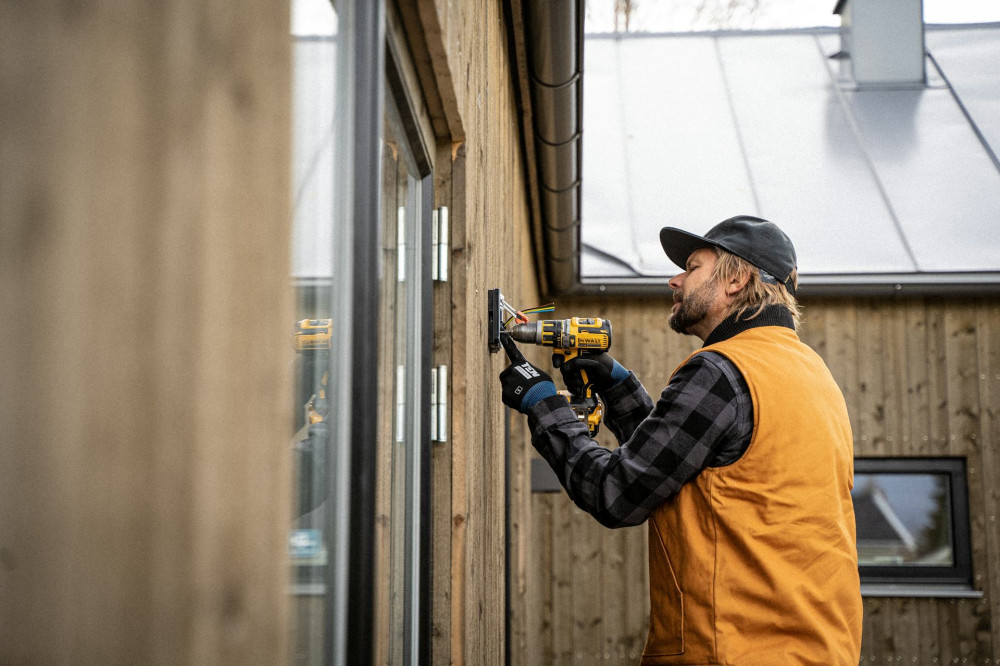
Always turn off power at the breaker before working on fixtures in humid or wet environments. If you notice exposed wiring, corrosion, or moisture inside the fixture, contact a licensed electrician rather than attempting repairs yourself.
Læs også:
Handling and Disposal of Old Bulbs
Don’t toss old bulbs in the regular trash without checking local disposal rules.
- Incandescent and halogen bulbs can usually go in household trash, but wrap them in paper to prevent broken glass.
- Compact fluorescent (CFL) and LED bulbs contain electronic components and should be recycled at a local recycling center or hardware store that accepts them.
Many home improvement stores in the U.S. offer free recycling for used bulbs.
Make It a Safe Habit
Replacing light bulbs safely isn’t just about avoiding accidents—it’s also about protecting your fixtures and saving energy. Keep a small supply of the bulbs you use most often, and choose energy-efficient LEDs that last longer and reduce your electricity bill.
With a little care and the right habits, changing a light bulb can remain a quick, safe, and routine part of maintaining your home.
Læs også: