Make the Hobby Room Match Your Home’s Style

Make the Hobby Room Match Your Home’s Style
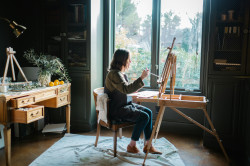
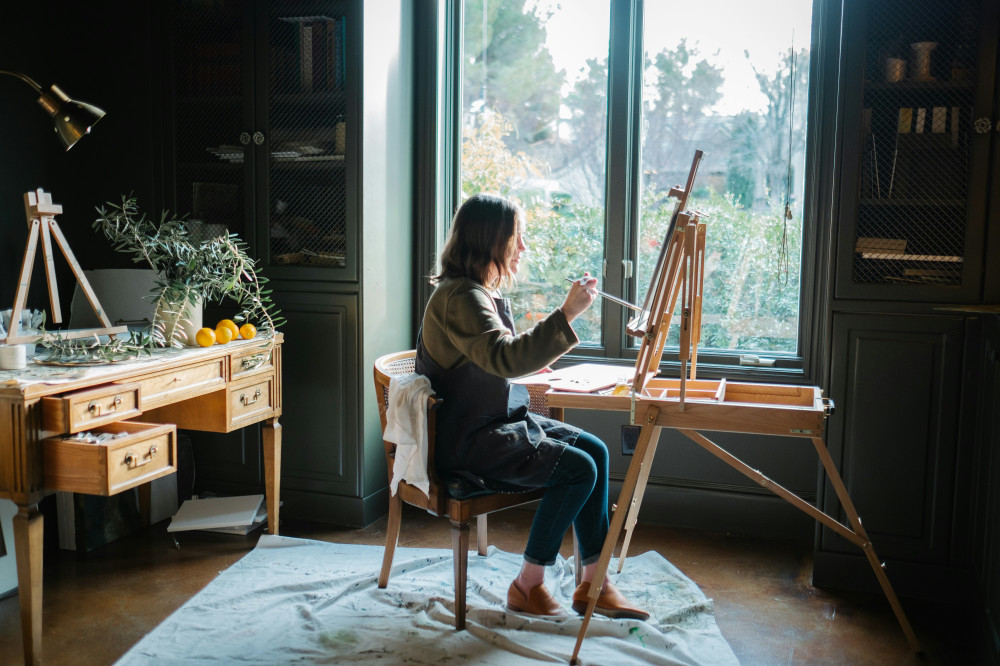
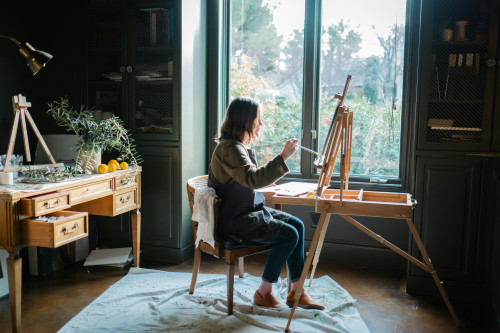
A hobby room is a personal retreat — a place where creativity flows freely and where you can dive into your favorite activities without distractions. But that doesn’t mean the space has to look chaotic or feel disconnected from the rest of your home. With thoughtful design, your hobby room can be both functional and stylish, blending seamlessly with your home’s overall aesthetic. Here’s how to create a space that works beautifully and feels like a natural extension of your home.
Start by Defining the Room’s Purpose
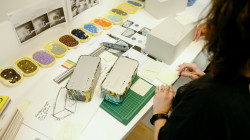
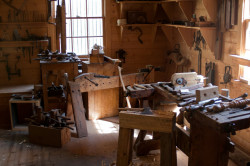
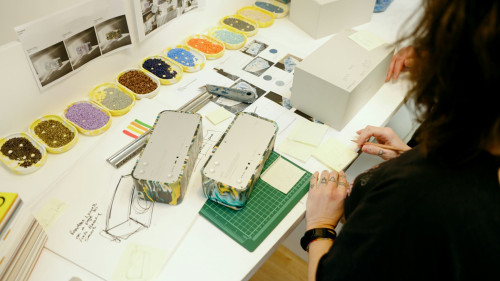
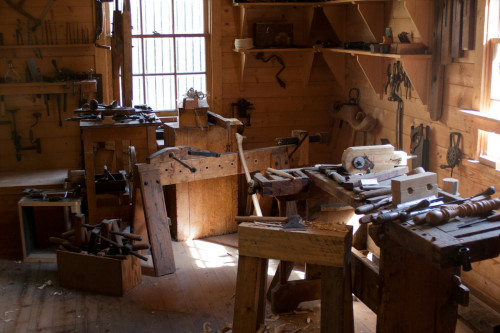
Before you start decorating, think about what you’ll primarily use the hobby room for. Is it a craft studio, a woodworking shop, a music space, or a sewing nook? The purpose will determine what kind of storage, lighting, and furniture you need.
Once you’ve defined the function, it becomes easier to choose materials and colors that suit both the activity and your home’s style. For example, if your home has a modern, minimalist look, you might opt for clean lines and neutral tones. If your home leans more rustic or eclectic, warm colors and natural textures can help the hobby room feel cohesive.
Create Flow with Colors and Materials
One of the simplest ways to make your hobby room feel connected to the rest of your home is by repeating colors and materials you already use elsewhere. If your living room features oak furniture, consider using the same wood tone for shelving or a worktable in your hobby room. If your home’s palette includes soft grays or earthy neutrals, paint one wall in a matching shade to create visual harmony.
If the hobby room is adjacent to other living spaces, pay special attention to transitions. Using the same flooring, similar cabinet hardware, or consistent lighting styles can make the shift from one room to another feel natural. The goal is for the hobby room to feel like part of the home, not an isolated corner.
Combine Functionality with Style
A hobby room should be practical above all, but that doesn’t mean it can’t look great. Choose storage solutions that are both efficient and attractive. Closed cabinets and drawers can hide clutter, while open shelving can display tools, materials, or finished projects in a decorative way.
Consider flexible furniture that adapts to different projects — a large worktable on casters, adjustable lighting, or modular shelving. When possible, select pieces that echo the design of your home, such as a desk in the same finish as your dining table or chairs that complement those in your living room.
Læs også:

Light and Atmosphere
Good lighting is essential in a hobby room. You’ll need both task lighting and ambient lighting so the space can serve multiple purposes. Combine overhead fixtures with adjustable desk or wall lamps to tailor the light to your activity.
To maintain a cohesive look, choose lighting fixtures that align with your home’s design — whether that’s sleek metal for a contemporary home or warm brass for a more traditional one. The right lighting not only improves functionality but also enhances the room’s mood and connection to the rest of your home.
Add Personal Touches
Even though the hobby room should match your home’s style, it should still reflect your personality. After all, it’s a space dedicated to your passions. Display your projects, hang inspiring artwork, or include small decorative items that tell your story.
The key is balance — a room that feels like part of your home but also uniquely yours.
A Space That Grows with You
A hobby room is rarely static. Your interests may evolve, and your needs may change over time. That’s why it’s smart to design with flexibility in mind. With a well-thought-out foundation of colors, materials, and furniture that align with your home’s style, you can easily update details as your hobbies develop.
When function, aesthetics, and personality come together, your hobby room becomes more than just a workspace — it becomes an inspiring and harmonious part of your home.
Læs også: