Plan the Lighting While Designing Your Hobby Room

Plan the Lighting While Designing Your Hobby Room
When you’re setting up a hobby room, it’s easy to focus on furniture, storage, and tools—but lighting plays a much bigger role than most people realize. The right lighting can make the difference between a space that inspires creativity and one that feels dull or uncomfortable. That’s why it’s smart to plan your lighting from the very beginning, so it fits both the room’s purpose and the way you like to work.
Light Affects Both Focus and Comfort
Whether you use your hobby room for painting, sewing, woodworking, or model building, you need lighting that makes your work comfortable and precise. Light that’s too dim can cause eye strain and headaches, while overly bright or poorly placed light can create harsh shadows.
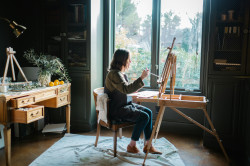
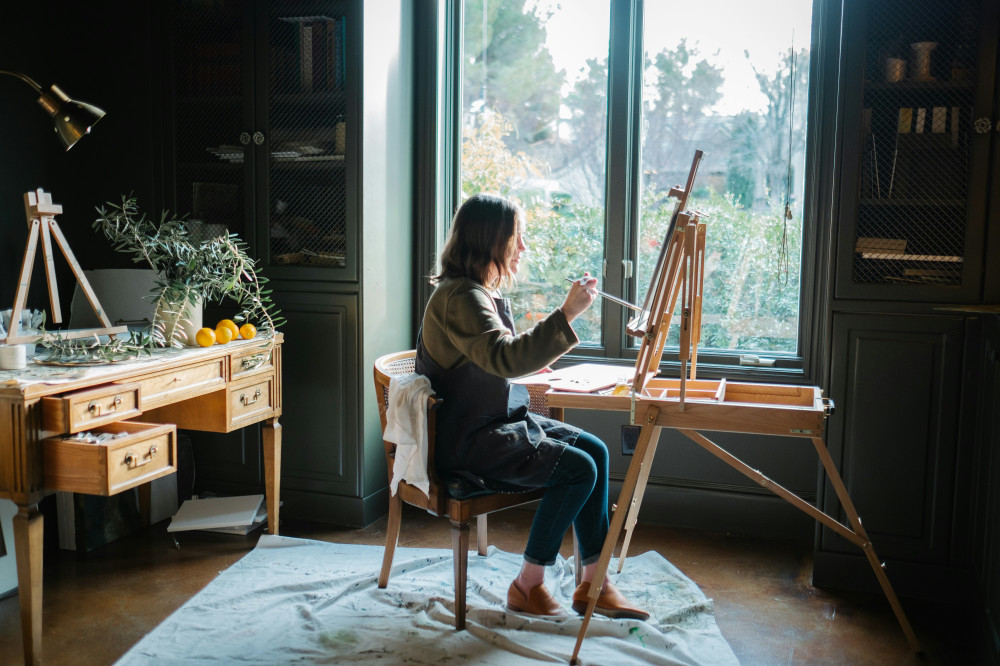
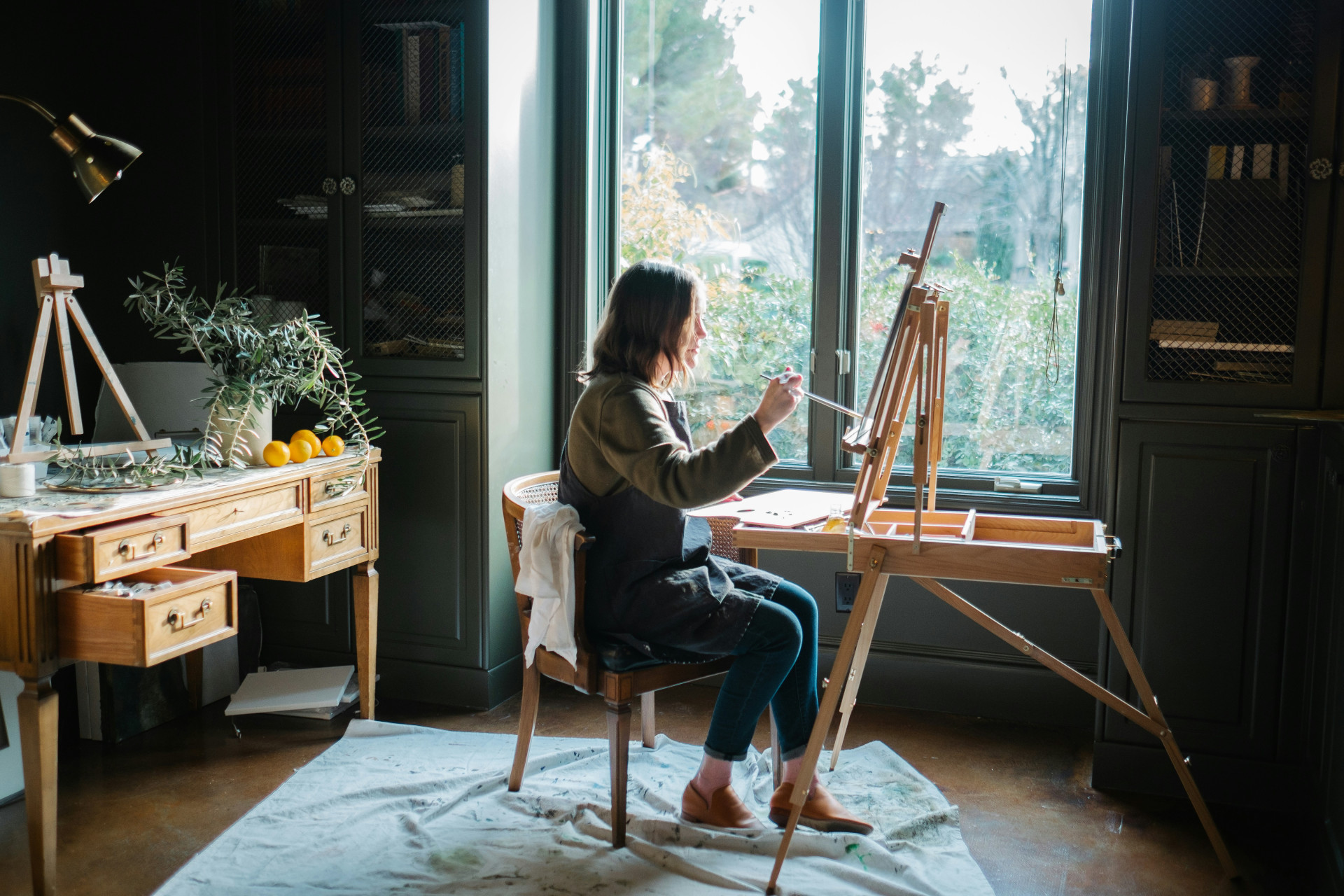
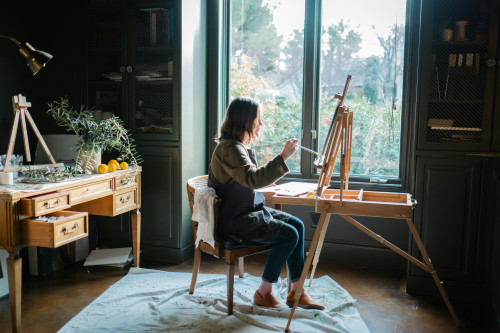
Natural daylight is always the best starting point. If your room has windows, take advantage of them—but pay attention to how the light changes throughout the day. A worktable placed directly in front of a window can cause glare, while light coming from the side usually provides more even illumination.
When the sun goes down, artificial lighting takes over. The key is to combine different types of light so you have both functional task lighting and a pleasant atmosphere.
Læs også:

Create Layers of Light
A well-lit hobby room typically includes three layers: ambient lighting, task lighting, and accent lighting.
- Ambient lighting provides general illumination so you can move around safely and comfortably. Ceiling fixtures, recessed lights, or LED panels work well. Choose LED fixtures with a high color rendering index (CRI above 90) so colors in your materials and projects appear true to life.
- Task lighting is focused light for your work area. A lamp with an adjustable arm is ideal, allowing you to direct light exactly where you need it.
- Accent lighting adds warmth and personality when you’re not working intensely. Wall sconces, LED strips, or small lamps in corners can make the room feel inviting.
By combining these three layers, you can easily adjust the lighting to match your activity—from focused work to relaxed creativity.
Consider Color Temperature and Brightness
Light isn’t just about wattage. It’s also measured in kelvin (K) and lumens (lm). Kelvin indicates color temperature—how warm or cool the light appears. For detailed work, a neutral white light around 4000 K is often best, while a warmer light between 2700–3000 K creates a cozier feel.
Lumens measure brightness. A work area typically needs 50–100 foot-candles (roughly 500–1000 lumens per square meter), while the rest of the room can be softer. Dimmable fixtures are a great option, letting you adjust brightness depending on the task or time of day.
Avoid Shadows and Glare
Shadows can be a major challenge in hobby rooms, especially if you work with small details. Make sure light comes from multiple directions to minimize dark spots. If you’re right-handed, position your main light source to the left—and vice versa if you’re left-handed—to prevent your hand from casting shadows over your work.
To reduce glare, choose lamps with matte shades or diffused light. Avoid placing lights where they reflect off shiny surfaces like glass, metal, or glossy finishes.
Integrate Lighting Into the Design
When planning your layout, think about lighting from the start. It’s much easier to run wiring, install outlets, and mount fixtures before furniture is in place. Consider where your workstations will be and where you’ll need extra light.
If you’re building shelves or workbenches yourself, you can integrate LED strips under shelves or along edges. This provides both functional light and a modern look. Just make sure to choose LEDs with good color accuracy so your materials and colors look right.
Keep the Lighting Flexible
A hobby room often evolves over time. You might take up new projects, rearrange furniture, or change interests. That’s why flexible lighting is a big advantage. Track lighting, movable lamps, or plug-in fixtures make it easy to adapt your setup.
Smart lighting can also be a great solution. With app or remote control, you can adjust brightness and color temperature without rewiring anything.
A Room That Inspires
When lighting is well planned, your hobby room becomes a place you love to spend time in—whether you’re concentrating on a project or simply relaxing. Lighting isn’t just about visibility; it’s about creating mood, focus, and energy. By planning your lighting while designing your hobby room, you’ll end up with a space that works beautifully from day one and continues to support your creativity for years to come.
Læs også: