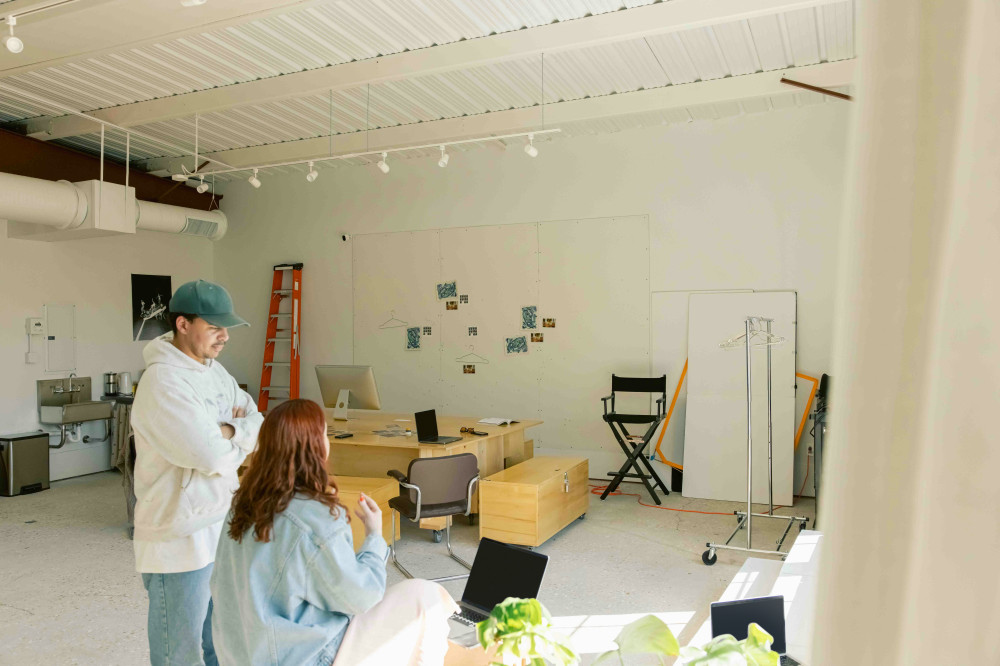
Position Your Desk Correctly in Relation to the Window


Position Your Desk Correctly in Relation to the Window
A well-placed desk can make a big difference in how comfortable, focused, and productive you feel throughout the day. Whether you work from home full-time, use your desk for creative projects, or simply need a spot to manage bills and schedules, lighting plays a crucial role. Windows bring in natural light, but their position in relation to your desk requires some thought. Here’s a guide to help you find the best desk placement in relation to your window.
Make the Most of Natural Light—Without the Glare
Natural light is good for your eyes, mood, and energy levels. It can boost concentration and reduce the need for artificial lighting. However, too much direct sunlight can cause glare on your screen or cast harsh shadows across your workspace.
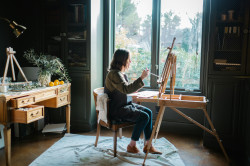
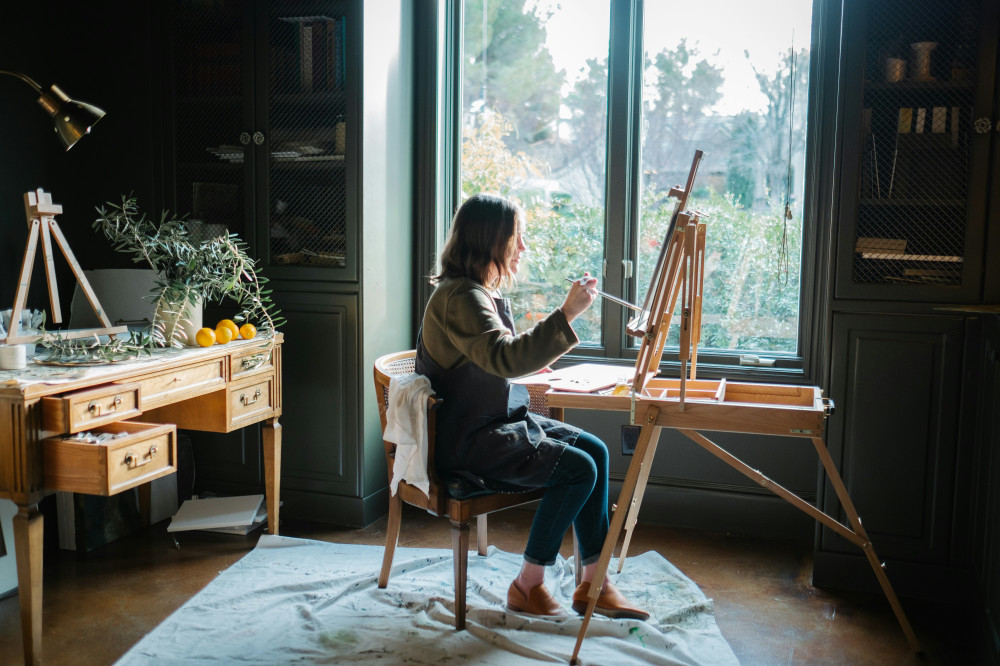
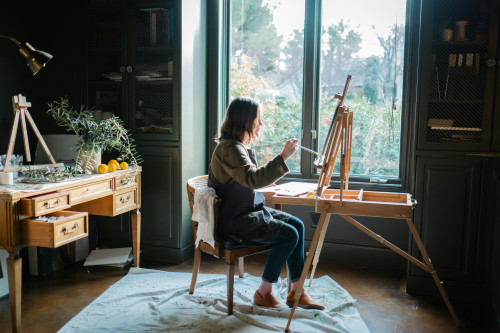
The best solution is often to place your desk perpendicular to the window—so you sit with the light coming from the side. This setup provides even lighting without the discomfort of direct sunlight. If you spend a lot of time on your computer, this arrangement also helps prevent reflections on your screen.
If your window faces south or west, where the sun can be strong and low in the sky, consider adding adjustable blinds, shades, or curtains. These allow you to control the light throughout the day and maintain a comfortable brightness level.
Læs også:


Avoid Sitting with Your Back to the Window
It might seem appealing to face into the room with the window behind you, but this often leads to problems. When light comes from behind, it hits your screen directly, creating glare and eye strain. The contrast between a bright background and a darker screen can also make it harder to focus.
If you prefer this setup for aesthetic reasons, use a matte screen and light-filtering window treatments to reduce glare. A desk lamp with an adjustable arm can also help balance the lighting and reduce eye fatigue.
Enjoy the View—In Moderation
Being able to glance out the window can be refreshing and help your eyes take short breaks from the screen. A view of trees, sky, or even a quiet street can reduce stress and improve your mood. But if the view is too busy or distracting, it can pull your attention away from your work.
A good rule of thumb is to position your desk so you can see outside when you look up, but not have the view directly in front of you all the time. This balance keeps you focused while still giving your eyes a pleasant rest.
Consider the Room’s Overall Function
Desk placement isn’t just about light—it’s also about how the room works as a whole. In a multipurpose space, like a living room or guest room, a compact desk along a wall might be the most practical choice. In a dedicated home office, you can afford to let the desk stand more freely in the room.
Think about where your power outlets, storage, and cables will go. A desk in the middle of the room can look stylish, but it may require some planning to keep cords tidy and out of sight.
Add the Right Artificial Lighting
Even with great natural light, you’ll need good artificial lighting for cloudy days or evening work. A task lamp with adjustable brightness and direction gives you flexibility as daylight changes. Choose a bulb with a neutral white tone (around 4000K) to mimic daylight and provide accurate color rendering.
If you often work at night, combine your task light with soft ambient lighting to reduce the contrast between your screen and the rest of the room. This helps prevent eye strain and creates a more comfortable atmosphere.
Create an Inspiring Environment
A productive workspace is also about how it feels. A few plants near the window can soften the light and make the area more inviting. Personal touches—like photos, notebooks, or a favorite mug—can make your desk feel like a place you enjoy spending time.
When you strike the right balance between light, function, and comfort, your workspace becomes more than just a desk—it becomes a place where you can focus, create, and thrive.
Læs også: