Open and Closed Modules – Create Balance in Closet Storage

Open and Closed Modules – Create Balance in Closet Storage
A well-designed closet should be both practical and beautiful—a space where function meets style. But how do you find the right balance between open and closed modules so your closet feels organized yet inviting? The choice isn’t just about looks; it’s about how you use your space every day. Here’s how to combine open and closed storage solutions to create a closet that’s both functional and harmonious.
Why Balance Matters
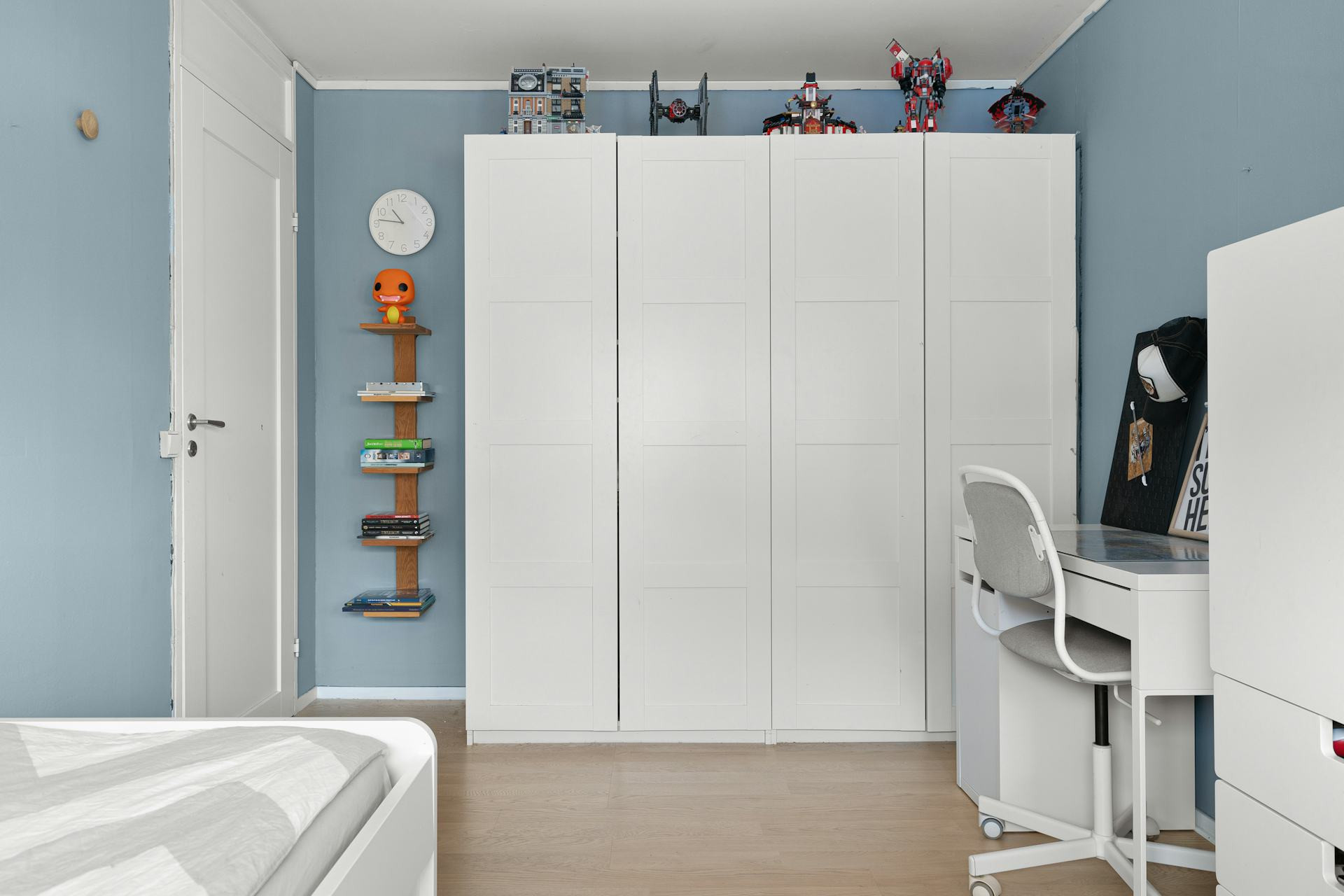
A closet made up entirely of open shelves can quickly look cluttered, while one with only closed cabinets may feel heavy and uninviting. The key is to find a balance that fits your lifestyle and storage needs.
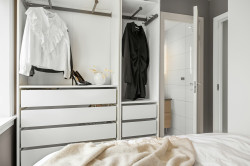
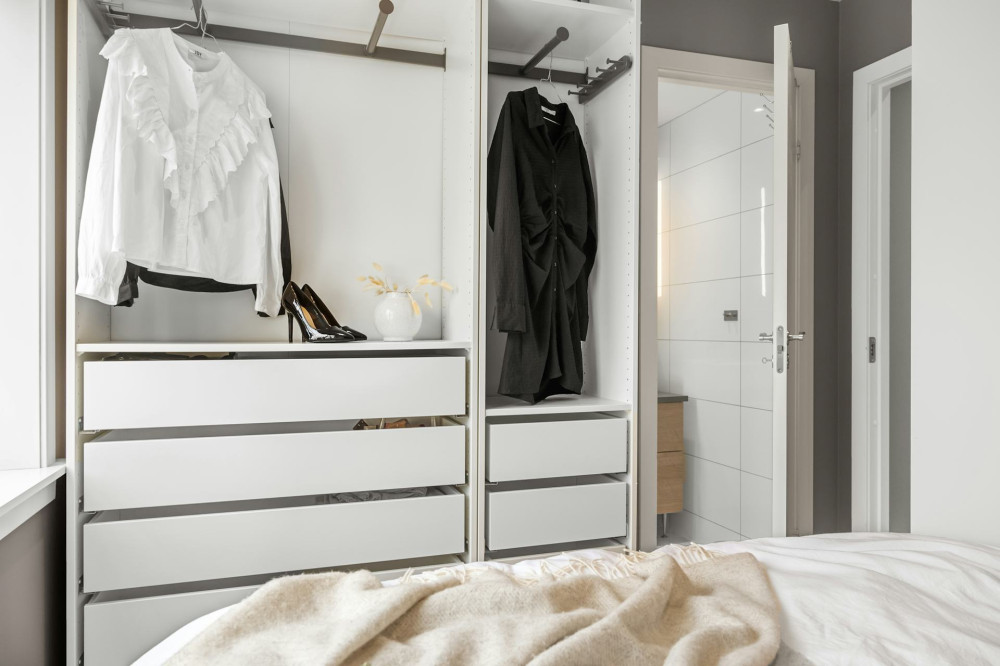
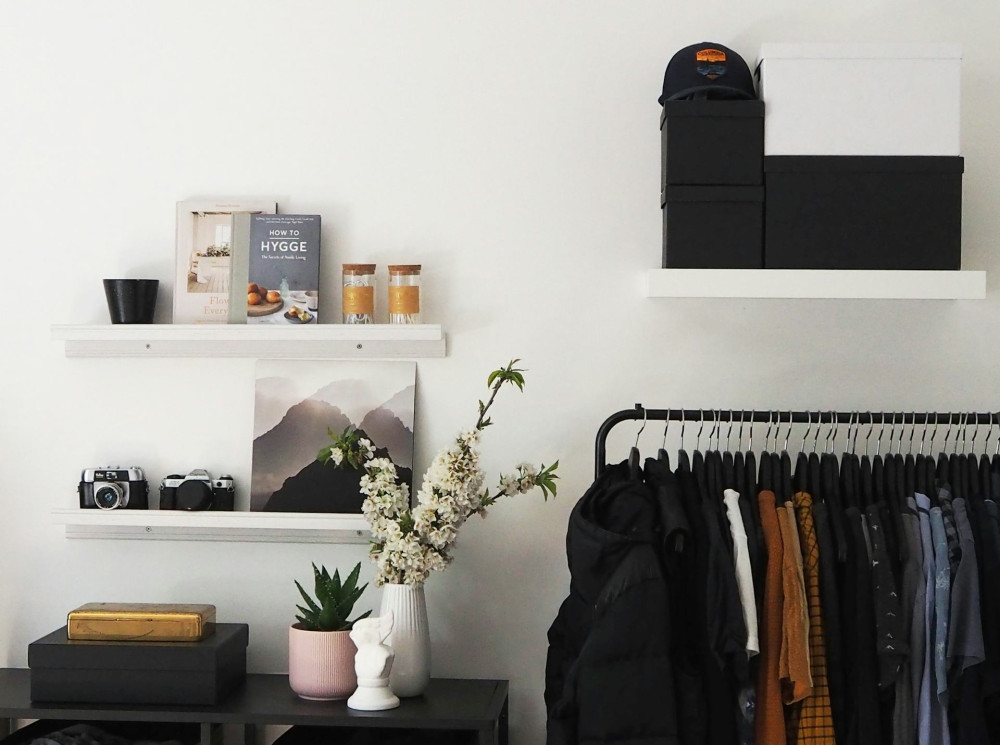
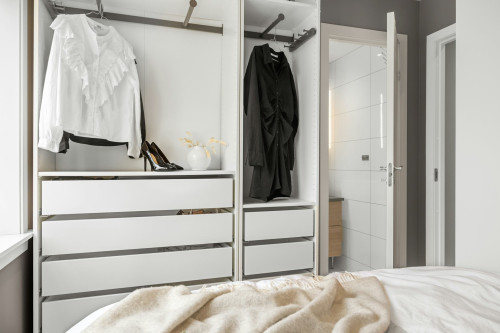
Open modules provide visibility and easy access to the items you use most—like shoes, handbags, or your favorite jacket. Closed modules, on the other hand, hide what you don’t want on display and create a calm, streamlined look. When you combine the two, you get the best of both worlds: order and aesthetics.
Læs også:
The Benefits of Open Modules
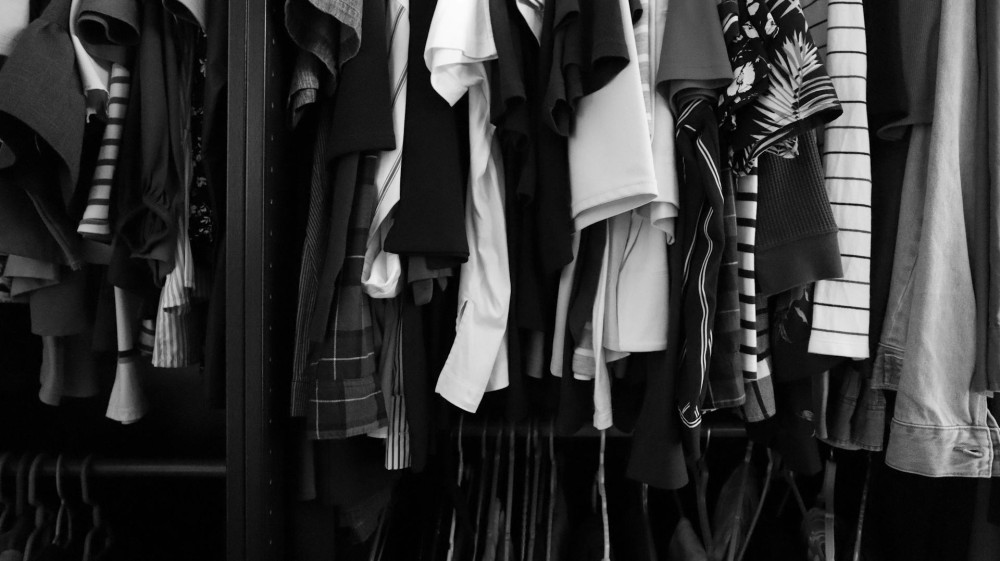
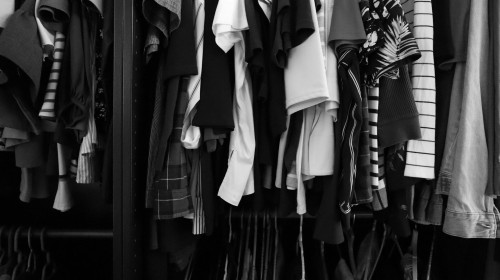
Open modules are perfect if you want a light, airy feel. They make it easy to see what you own and can even inspire you to wear more of your wardrobe instead of the same few pieces.
- Visibility and accessibility: You can instantly find what you’re looking for without opening doors or drawers.
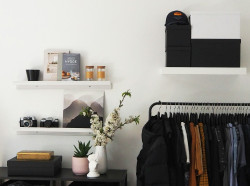
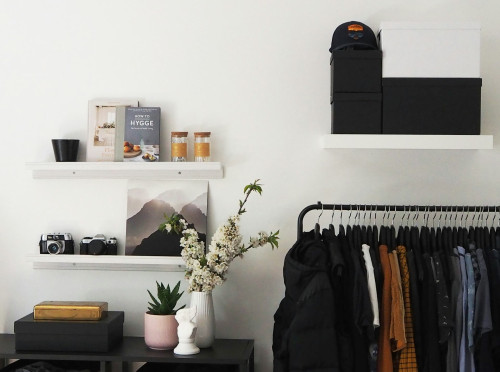
- Decorative storage: Use open shelves to showcase beautiful shoes, handbags, or accessories.
- Flexibility: Open shelving can be easily rearranged or expanded as your needs change.
However, open modules do require upkeep. Dust collects faster, and keeping things tidy becomes more important. That’s why they work best for items you use often and enjoy having on display.
The Benefits of Closed Modules
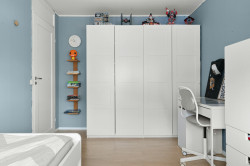
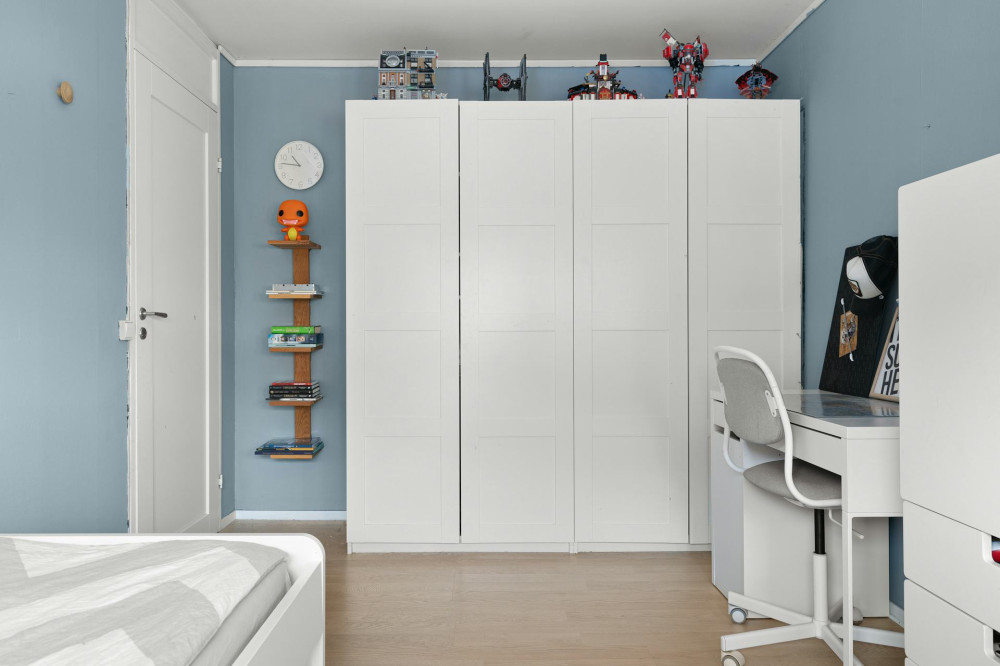
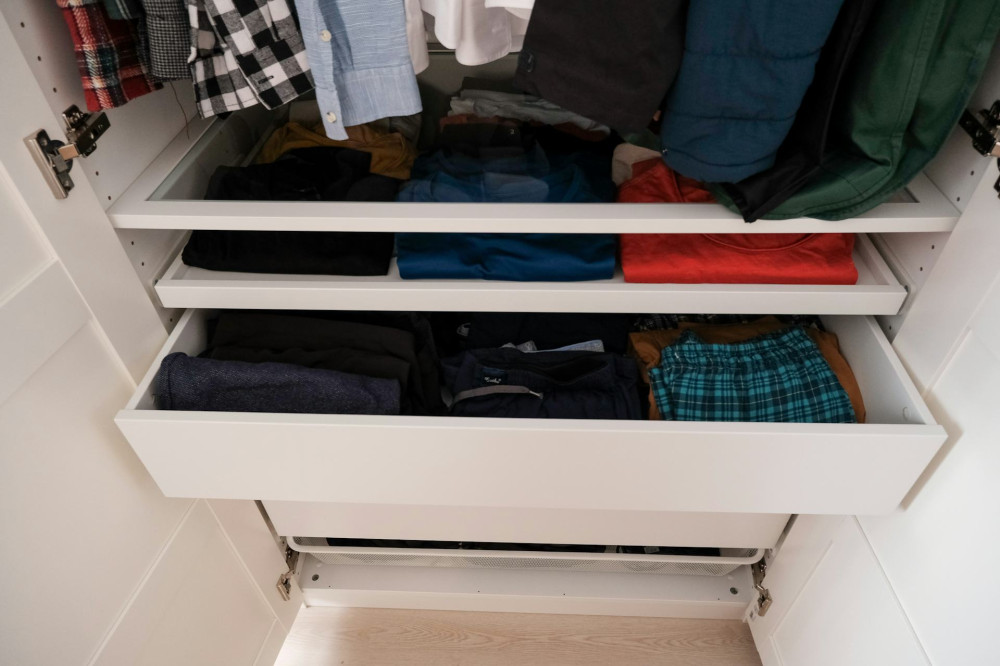
Closed modules bring calm and structure to your closet. They’re ideal for storing items that don’t need to be visible, such as seasonal clothing, undergarments, or storage bins.
- Visual calm: Smooth, closed surfaces create a clean and minimalist look.
- Protection: Clothes stay free from dust and sunlight, helping them last longer.
- Effortless order: You don’t have to worry about everything looking perfect—doors hide the mess.
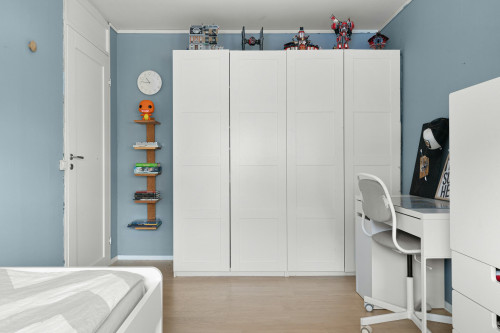
Too many closed cabinets, however, can make a space feel heavy. To avoid this, break them up with open sections or glass doors that add lightness and depth.
Finding the Right Combination
When planning your closet, start by thinking about how you use it day to day. Which items need to be within easy reach, and which can be tucked away?
- Place open modules at eye level – this is where you’ll appreciate them most.
- Use closed cabinets at the top and bottom – perfect for items you don’t use daily.
- Create rhythm in the design – alternate between open and closed sections for a balanced look.
- Consider materials and colors – matte finishes, wood tones, and textured surfaces can add warmth and harmony.
Let the size and lighting of your space guide you. In smaller closets, too many closed doors can feel heavy, while open shelving can make the room appear larger and more open.
Make It Personal
Your closet is more than just storage—it’s a reflection of your personality. Use open modules to display something that tells your story: a favorite handbag, a piece of jewelry, or even a small plant. These personal touches bring life and character to the space.
Lighting also plays a big role. Built-in LED lights in open sections highlight your favorite pieces and make the closet more functional, especially in darker areas.
A Closet That Works for Everyday Life
The best closet is one you enjoy using. By combining open and closed modules, you create a space that offers both clarity and calm. It’s not about choosing one or the other—it’s about finding the right mix that fits your lifestyle and makes it easy to stay organized.
With the right balance, your closet becomes more than just a place to store clothes—it becomes a space that supports a more harmonious daily routine.
Læs også: