The Year-Round Wardrobe – How to Find Clothes That Work All Year

The Year-Round Wardrobe – How to Find Clothes That Work All Year
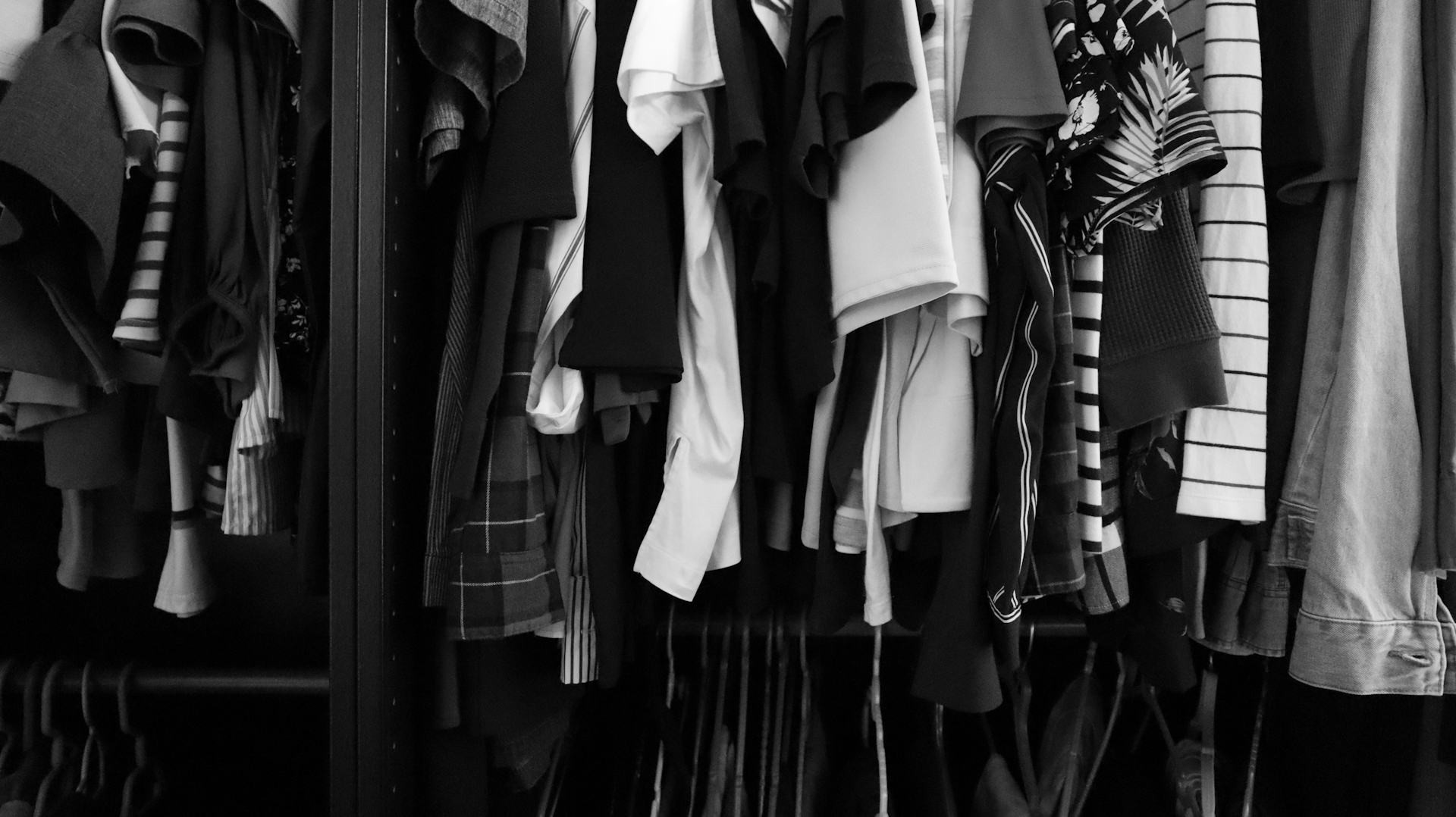
Building a wardrobe that works all year isn’t about owning as many clothes as possible – it’s about choosing the right pieces that can adapt to every season. A thoughtful year-round wardrobe saves time, money, and closet space while making it easier to dress well no matter the weather. Here’s how to create a wardrobe that works from January to December.
Think in Layers and Flexibility
The foundation of a year-round wardrobe is layering. Instead of having completely separate outfits for summer and winter, build your clothing in layers that can be mixed and matched depending on temperature and occasion.
- Base layers: T-shirts, button-downs, and lightweight tops in cotton or merino wool that can be worn alone in summer or under sweaters in winter.
- Mid-layers: Sweaters, cardigans, and light fleeces that add warmth without bulk.
- Outer layers: A versatile jacket, coat, or blazer that works with different combinations underneath.
Layering gives you more outfit options and helps you avoid having clothes that sit unused for half the year.
Choose Materials That Breathe and Last
Fabric choice is key to making your clothes work year-round. Natural fibers like wool, cotton, and linen regulate temperature and can be worn across multiple seasons.
- Merino wool is one of the most versatile materials. It keeps you warm in the cold and wicks away moisture when it’s hot.
- Cotton is comfortable and easy to care for; choose a heavier weave if you want it to last through cooler months.
- Linen is perfect for summer but can also work in spring and fall when layered with warmer pieces.
Try to limit synthetic fabrics – they often trap heat and don’t hold their shape as well over time.
Timeless Colors and Cuts
A year-round wardrobe works best when colors and cuts can be mixed and matched easily. Neutral tones like black, gray, navy, beige, and white form a solid base that you can accent with seasonal colors.
Opt for classic silhouettes rather than trend-driven styles. A well-fitted blazer, a simple dress, or a pair of dark jeans never go out of style – and can be dressed up or down depending on the season.
A helpful rule is the 3-to-1 principle: for every new piece you buy, make sure it can be paired with at least three other items in your closet. This ensures that everything you own gets worn.
Invest in Transitional Pieces
Spring and fall can be the trickiest seasons to dress for, so it’s worth investing in clothes that adapt to changing temperatures.
A few examples:
- A light trench coat or unlined jacket that works over both a thick sweater and a thin shirt.
- Ankle boots and sneakers made from quality materials that handle both dry and damp weather.
- Scarves and lightweight gloves that can be added or removed as needed.
These pieces make it easier to move smoothly from one season to the next without overhauling your entire wardrobe.
Care and Storage Make the Difference
Even the best clothes won’t last if they’re not cared for properly. A year-round wardrobe depends on maintaining your pieces so they keep their shape and quality.
- Wash only when necessary – many fabrics benefit from being aired out instead.
- Use garment bags and moth repellents for wool and silk when not in use.
- Store off-season items in boxes or fabric bags to keep them clean and dust-free.
Proper care extends the life of your clothes and makes it easier to bring them back into rotation when the weather changes.
Stay Organized – and Declutter Thoughtfully
A year-round wardrobe works best when you know what you have. Go through your clothes a couple of times a year and ask yourself what you actually wear. Items that haven’t been used in a year can often be sold, donated, or passed along.
Decluttering not only frees up space but also helps you understand what you truly need. That awareness makes future shopping decisions smarter and more intentional.
Læs også:
A Wardrobe That Works With You – Not the Seasons
Ultimately, a year-round wardrobe is about mindfulness. When you choose quality over quantity and focus on flexibility, you create a closet that works no matter the season. It’s practical, sustainable, and economical – and it makes getting dressed every day a little simpler.
Læs også: