Prevent Water Damage in New Construction with Proper Sewer Work

Prevent Water Damage in New Construction with Proper Sewer Work
When building a new home, there are countless details to get right—from design and materials to energy efficiency and interior finishes. But one critical area is often overlooked until it’s too late: the sewer and drainage system. Mistakes in this part of the construction process can lead to moisture problems, flooding, and costly water damage that’s difficult to fix once the house is complete. Here’s why proper sewer work is essential in new construction—and how to make sure your home stays dry and protected for years to come.
The Sewer System – The Hidden Lifeline of Your Home
Your home’s sewer and drainage system is one of its most important yet least visible components. It carries wastewater away from bathrooms, kitchens, and laundry areas, and directs stormwater away from the foundation. If pipes are installed incorrectly or at the wrong slope, water won’t flow properly. That can cause backups, blockages, and even flooding in basements or around the foundation.
In new construction, precision is key. Small installation errors can go unnoticed until major damage occurs. Because most of the system is buried underground or beneath the slab, repairs can be complicated and expensive once the home is finished.
Licensed Contractors – Your Best Protection
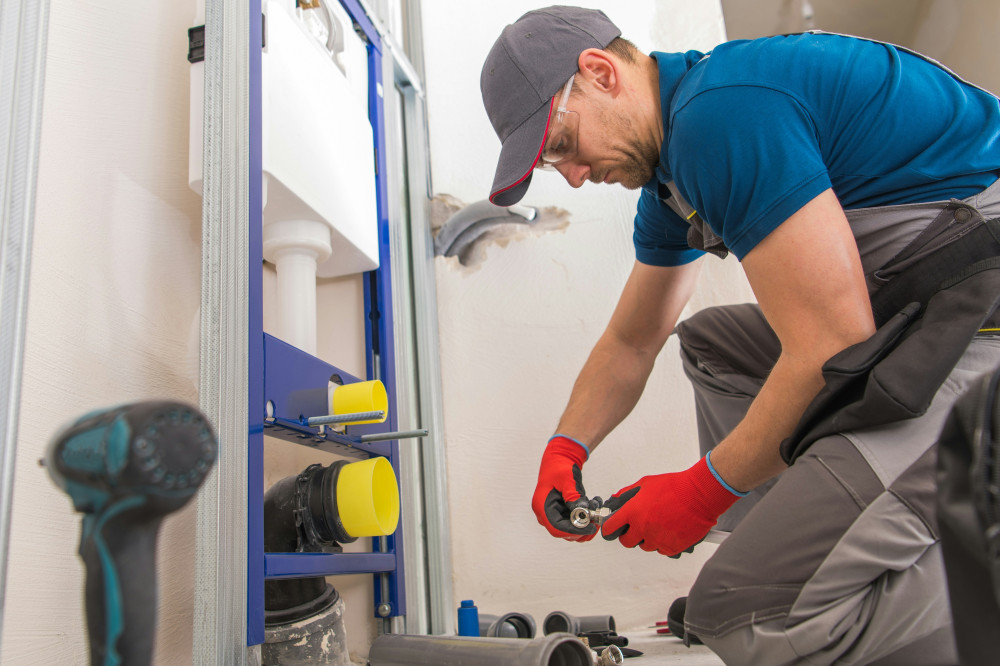
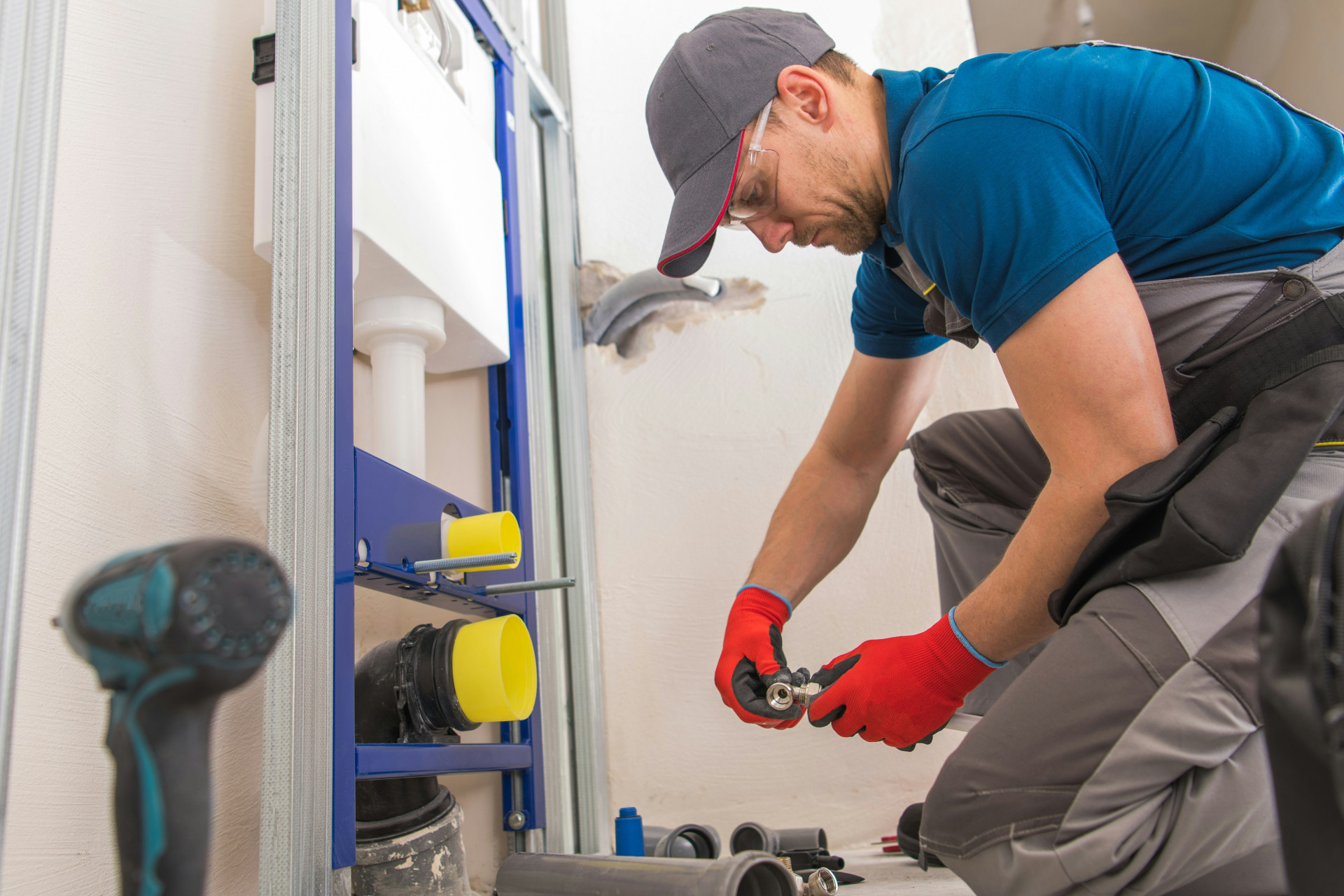
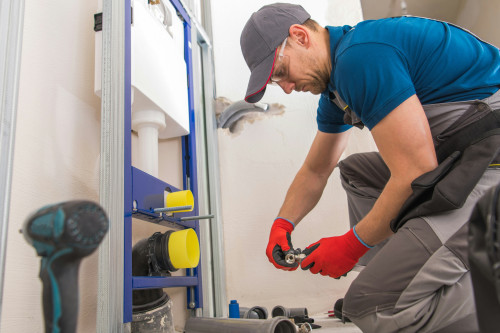
In the United States, sewer and drain work must be performed by licensed plumbing or sewer contractors. Hiring a qualified professional ensures that the installation meets local building codes and environmental regulations. It’s not just about compliance—it’s about protecting your investment.
A licensed contractor will:
- Ensure proper pipe slope for efficient drainage.
- Use watertight joints and durable materials.
- Install cleanouts and access points for future maintenance.
- Design the system to handle both wastewater and stormwater effectively.
While professional sewer work may seem like an added expense during construction, it’s a long-term investment in your home’s durability and your peace of mind.
Læs også:
Common Mistakes – and How to Avoid Them
Even minor errors in sewer installation can lead to major issues later. Here are some of the most common problems seen in new homes:
- Incorrect pipe slope – Water doesn’t drain properly, leading to clogs and backups.
- Leaky joints or poor connections – Can cause wastewater to seep into the soil, creating odors and moisture problems.
- Inadequate foundation drainage – Without proper footing drains or sump systems, groundwater can build up and damage the foundation.
- Improper stormwater management – If roof runoff isn’t directed away from the house, it can pool near the foundation and seep into the structure.
Before backfilling, have the system pressure-tested and inspected. Ask your contractor to document the installation with photos and diagrams—this can be invaluable if issues arise later.
Stormwater Management and Climate Resilience
Across the U.S., heavier rainfall and extreme weather events are becoming more common. That means stormwater management is more important than ever in new construction. Instead of simply diverting rainwater to the street, consider sustainable solutions that manage water on-site.
Options include:
- French drains or dry wells to disperse water safely into the ground.
- Rain gardens and bioswales to absorb runoff naturally.
- Permeable pavers that allow water to soak through instead of pooling on the surface.
A licensed contractor or civil engineer can help design a system that fits your property’s soil type, slope, and local regulations.
Maintenance – Even in a New Home
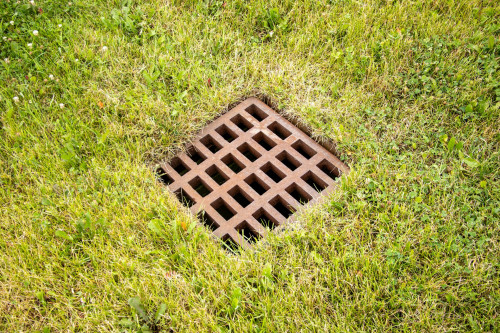
A new sewer system still requires attention. Over time, debris, grease, and sediment can accumulate in pipes. Keep gutters and downspouts clear, clean out catch basins regularly, and schedule a camera inspection every few years—especially if you notice slow drains, odors, or damp spots around the foundation.
A little preventive maintenance goes a long way toward avoiding major repairs and extending the life of your system.
A Strong Foundation Starts Below Ground
A new home should stand the test of time—and that starts with what’s beneath it. Properly installed sewer and drainage systems are not just technical details; they’re essential to a healthy, dry, and durable home. By hiring licensed professionals, planning for effective stormwater management, and keeping up with maintenance, you can prevent water damage and ensure your new construction remains safe and sound for decades to come.
Læs også: