Rodent-Proofing Older Homes with Basements

Rodent-Proofing Older Homes with Basements
Rodents are a growing concern in many parts of the United States, especially in older homes with basements. Aging foundations, outdated plumbing, and small structural gaps can make these houses particularly vulnerable. Once inside, rats and mice can cause significant damage and pose serious health risks. Fortunately, with the right preventive measures, you can keep your home rodent-free. Here’s a comprehensive guide to rodent-proofing an older home with a basement.
Why Older Homes Are More Vulnerable
Homes built before the 1970s often have foundations and plumbing systems made from materials that deteriorate over time. Cracks in concrete, gaps around pipes, and worn-out seals can all serve as entry points for rodents. Basements, in particular, provide warmth, moisture, and shelter—ideal conditions for nesting.
Rodents are opportunistic. They can squeeze through openings as small as a quarter of an inch, climb rough surfaces, and gnaw through wood, plastic, and even soft metal. That’s why rodent-proofing should be part of your regular home maintenance routine, especially if your property is older.
Læs også:
Start with a Thorough Inspection
Before you can secure your home, you need to identify its weak spots. Begin with a detailed inspection of both the interior and exterior:
- Check for cracks in the foundation and basement walls. Even small gaps can allow rodents to enter.
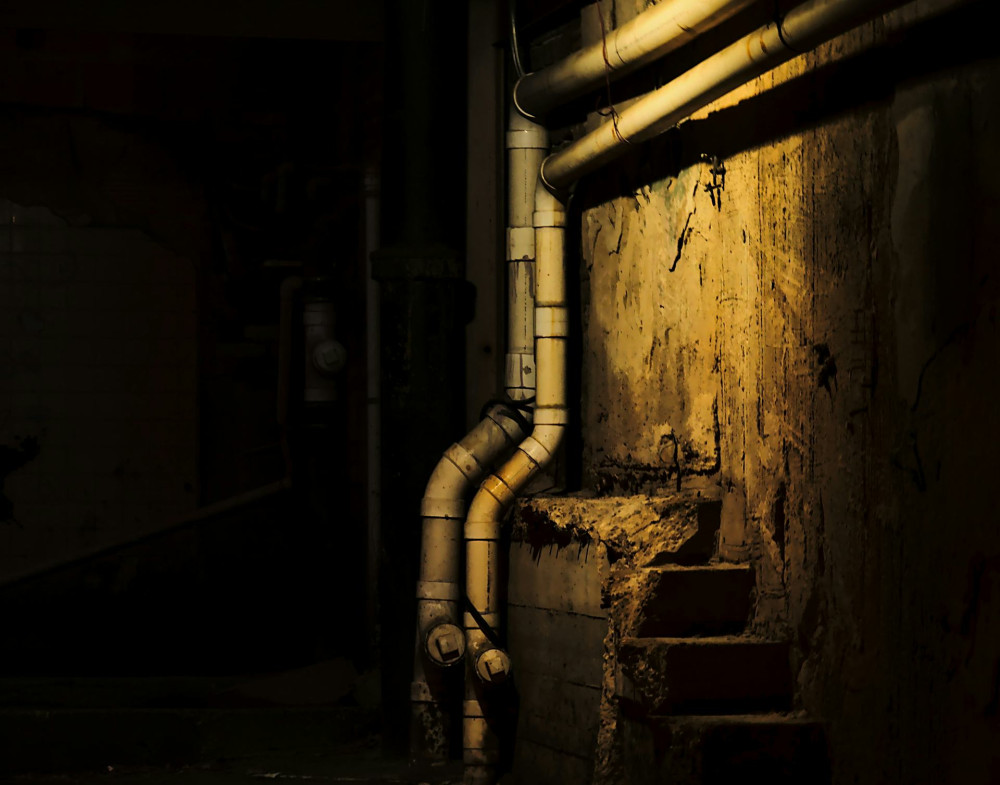
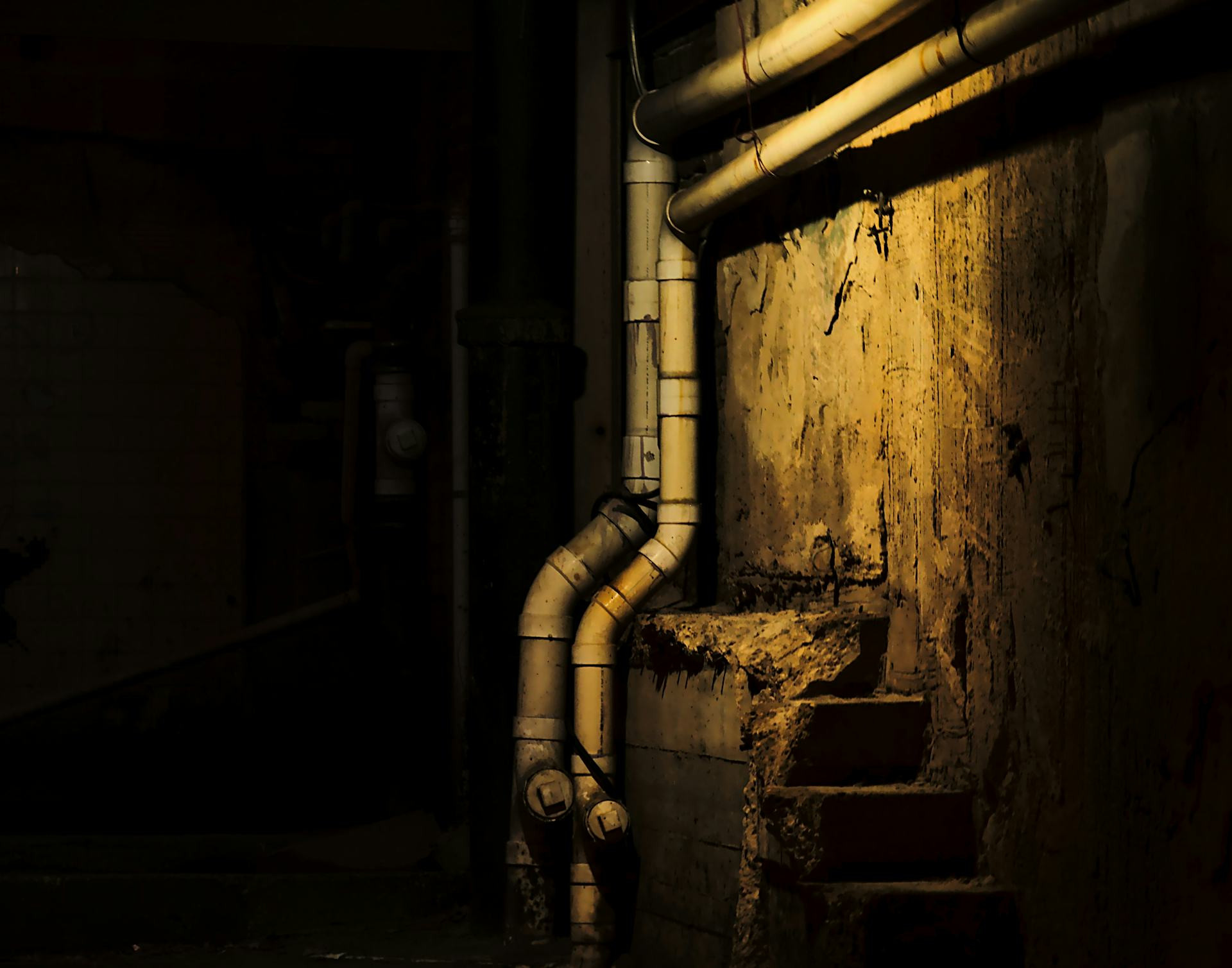
- Inspect plumbing and utility penetrations. Seal any openings around pipes, vents, and electrical conduits.
- Examine basement windows and vents. Make sure screens are intact and made of metal mesh that rodents can’t chew through.
- Look for gaps around doors and garage entries. Install door sweeps and weatherstripping where needed.
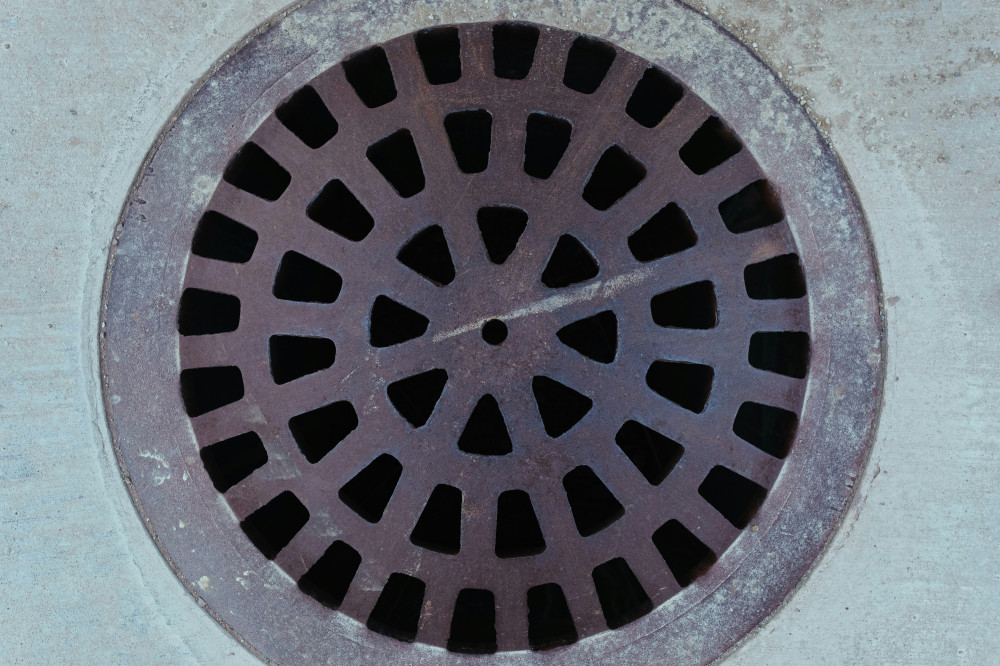
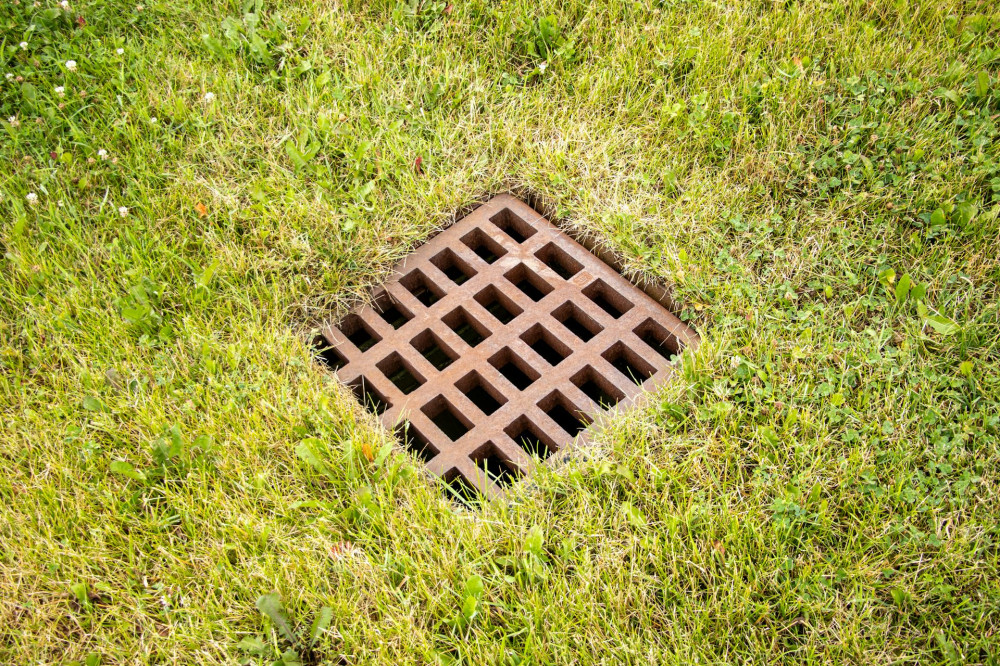
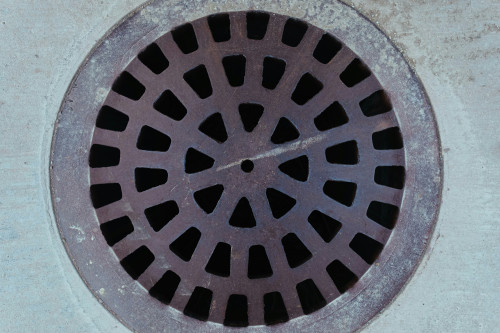
- Inspect floor drains and sump pump openings. These can connect directly to the sewer system, a common rodent entry route.
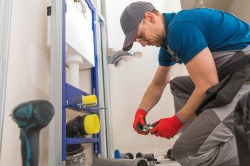
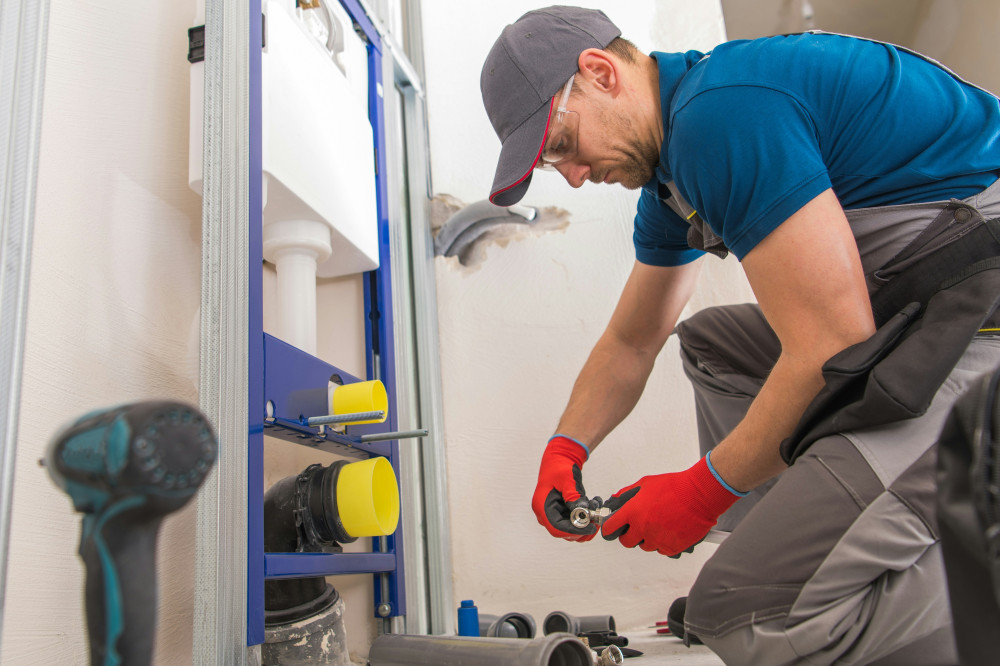
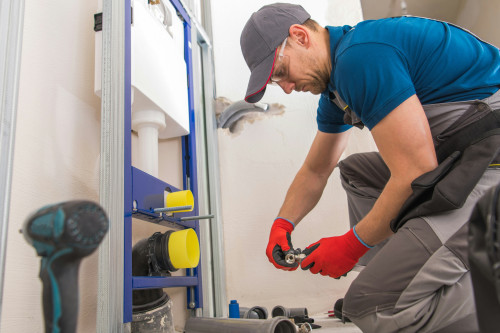
If you suspect rodents are entering through the sewer line, consider hiring a licensed plumber to perform a camera inspection of your drain pipes. This can reveal cracks, collapsed sections, or old joints that need repair.
Sewer Backflow Valves and Rodent Barriers
In many U.S. cities, rats travel through municipal sewer systems and can enter homes through drain lines. Installing a backflow valve or rodent barrier in your main sewer line can prevent this. These devices allow wastewater to flow out but block anything from coming back in.
There are several types of valves available, including single- and double-flap models. Installation should always be done by a qualified plumber to ensure proper function and compliance with local building codes. Regular maintenance—typically once a year—is essential to keep the valve clean and operational.
Sealing and Maintaining the Basement
Once the plumbing is secure, focus on making the basement itself as rodent-resistant as possible:
- Seal cracks and holes with hydraulic cement or steel mesh combined with concrete patch.
- Replace old floor drains with modern, sealed versions that include built-in rodent protection.
- Keep the basement dry and well-ventilated. Use a dehumidifier if necessary—rodents prefer damp environments.
- Store food and pet supplies in airtight containers, and avoid leaving trash or clutter in the basement.
- Cap unused pipes or conduits to eliminate hidden access routes.
A clean, dry, and well-maintained basement is far less attractive to rodents.
Outdoor Prevention Measures
Rodent-proofing doesn’t stop at the basement walls. The area around your home plays a major role in keeping pests out:
- Keep vegetation trimmed and remove debris near the foundation. Dense shrubs and piles of wood provide hiding spots.
- Secure garbage bins with tight-fitting lids and store them away from the house.
- Avoid feeding birds or pets outdoors near the foundation—spilled food attracts rodents.
- Inspect crawl spaces, vents, and utility lines for gaps and seal them with rodent-resistant materials.
- Maintain gutters and downspouts to prevent water pooling, which can attract pests and weaken the foundation.
A tidy yard and clear perimeter make it easier to spot early signs of rodent activity.
Signs of Rodent Activity—and What to Do
Common signs that rodents have entered your home include:
- Small droppings, often found along walls or behind appliances.
- Gnaw marks on wood, plastic, or wiring.
- Scratching or scurrying sounds in walls or ceilings.
- Greasy rub marks along baseboards or pipes.
- Burrows or holes near the foundation outside.
If you notice any of these signs, act quickly. Contact a licensed pest control professional who can assess the situation and implement safe, effective control measures. Avoid using rodenticide baits on your own, as improper use can harm pets, wildlife, and children.
A Smart Investment in Safety and Property Value
Rodent-proofing is more than just a comfort issue—it’s a matter of health, safety, and long-term property value. Rodents can damage wiring, insulation, and plumbing, leading to costly repairs. Insurance may not cover damage caused by neglect or lack of maintenance.
By combining professional inspection, structural sealing, and ongoing vigilance, you can protect your home from infestations and preserve its integrity for years to come. For owners of older homes with basements, rodent-proofing is one of the best investments you can make in both peace of mind and property value.
Læs også: