The Journey of Rainwater: From Nature to Your Home Site

The Journey of Rainwater: From Nature to Your Home Site
When rain begins to fall, it starts a remarkable journey that most of us rarely think about. From the moment a drop leaves the clouds until it reaches the ground—or perhaps your home’s gutter system—it travels through a complex cycle that connects nature and human infrastructure. For homeowners, understanding this journey isn’t just interesting—it’s essential for preventing flooding, water damage, and unnecessary strain on local drainage systems.
From Clouds to Ground – Nature’s Water Cycle
It all begins in the atmosphere. Water evaporates from oceans, lakes, and plants, forming clouds that eventually release rain. In natural landscapes, much of this rainwater soaks into the soil, replenishing groundwater, while the rest flows into streams, rivers, and lakes. Vegetation, soil type, and terrain shape how water moves and where it ends up.
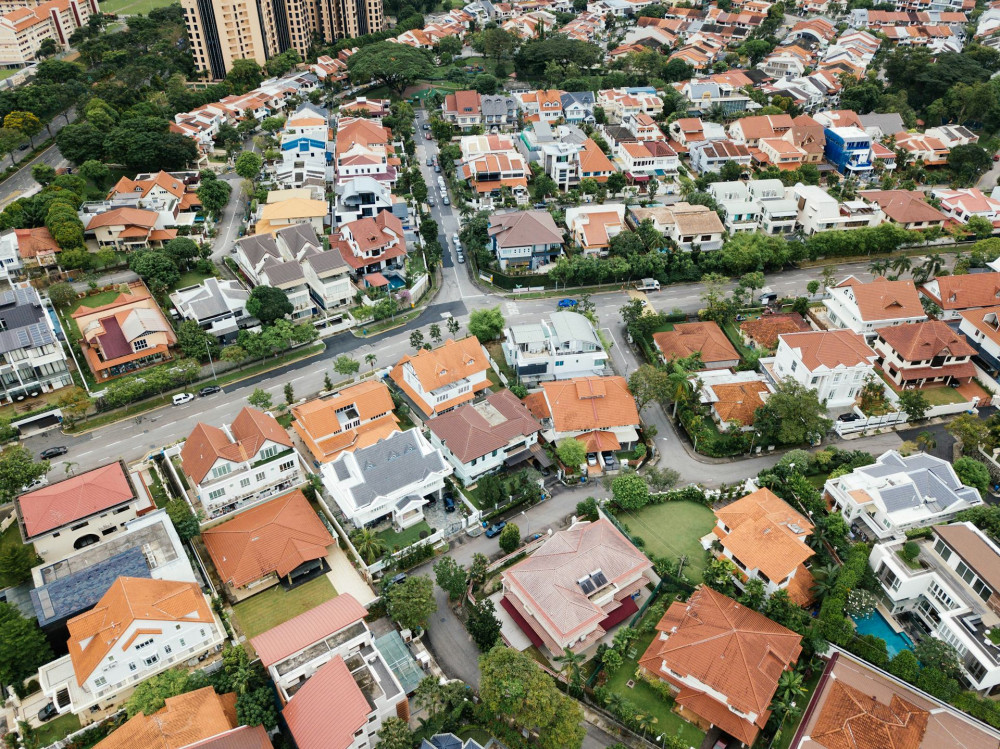
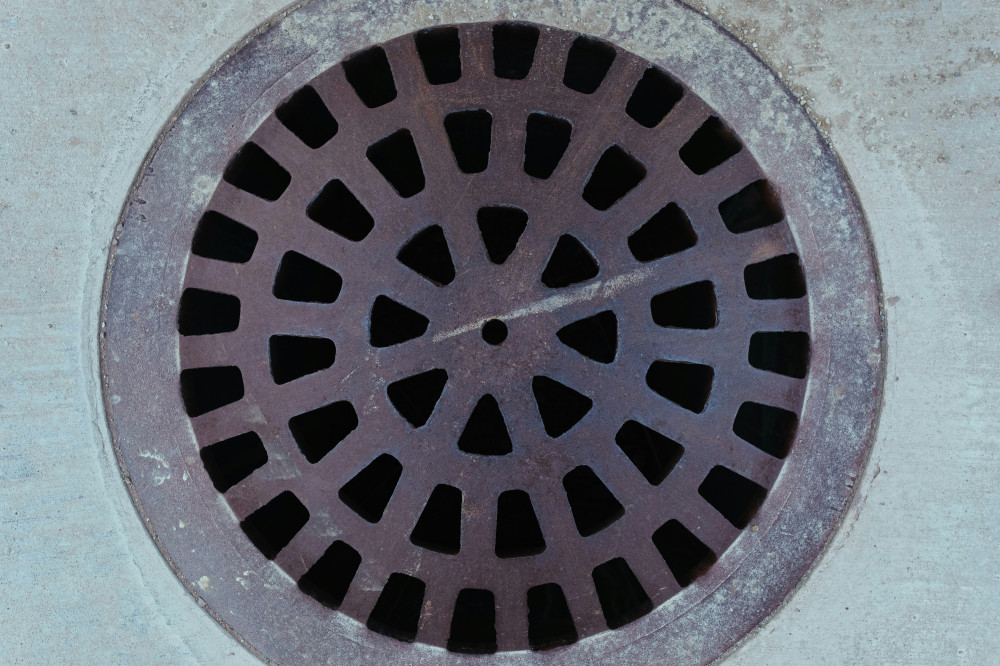
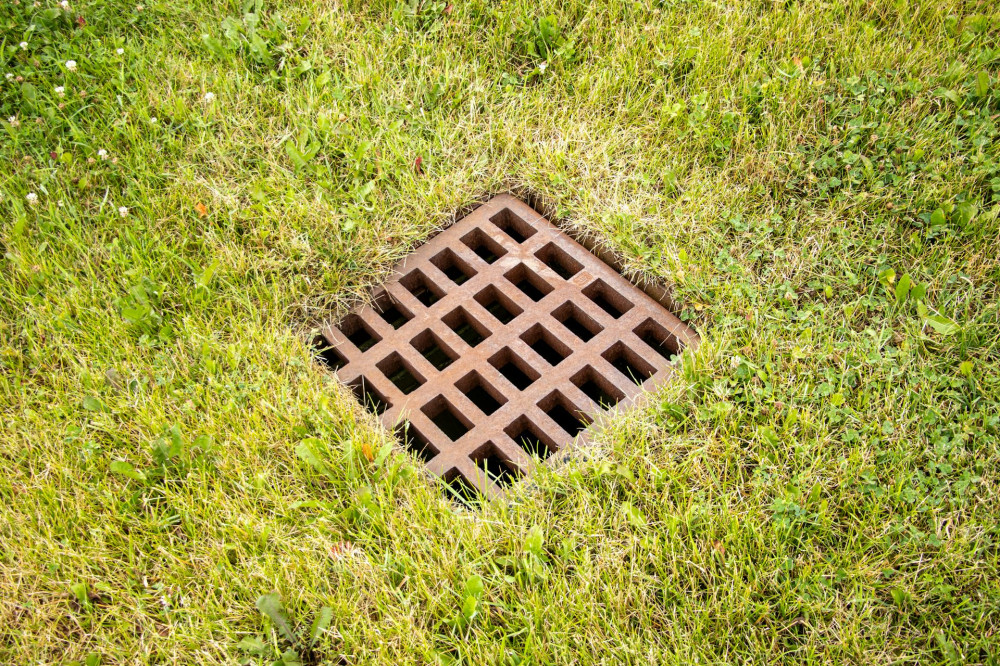
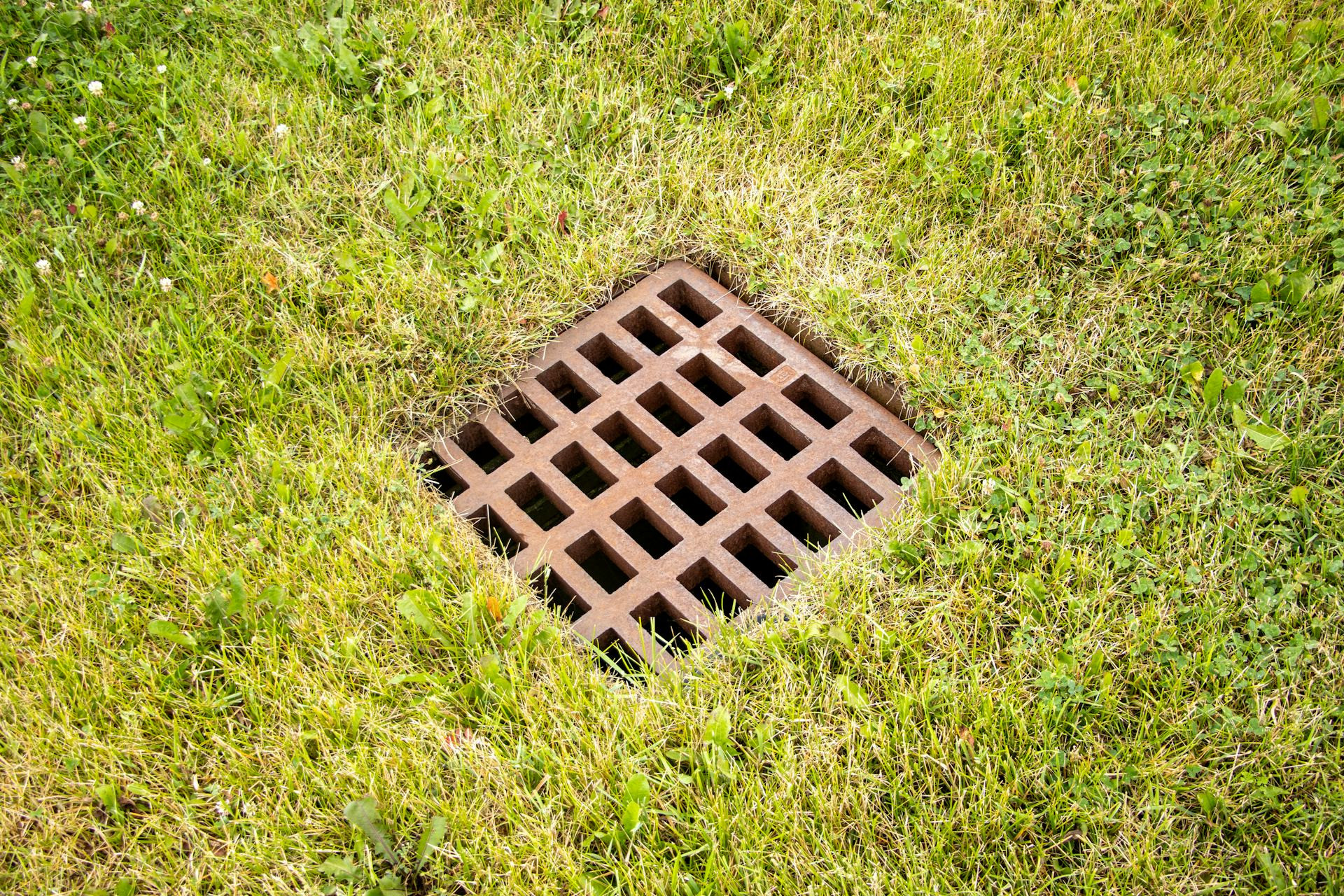
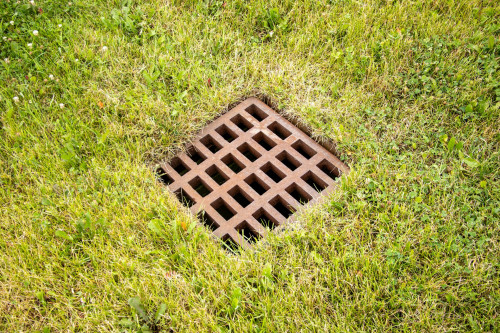
In developed areas, the story changes. Pavement, rooftops, and driveways prevent water from soaking into the ground. Instead, rainwater runs quickly into storm drains and sewer systems—networks that can become overwhelmed during heavy downpours.
When Rain Reaches Your Property
On a typical home site, rainwater encounters many different surfaces: the roof, driveway, lawn, and garden beds. Each surface handles water in its own way.
- The roof channels water into gutters and downspouts, which may direct it toward a storm drain, a rain barrel, or a drainage area on your property.
- Paved areas like driveways and patios don’t absorb water, so puddles form or runoff flows toward lower ground.
- Lawns and gardens absorb some water, but during intense rain, the soil can become saturated, causing water to pool on the surface.
The way water moves across your property depends on slope, soil type, and how your drainage systems are designed.
The Stormwater System – The City’s Hidden Waterways
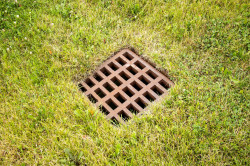
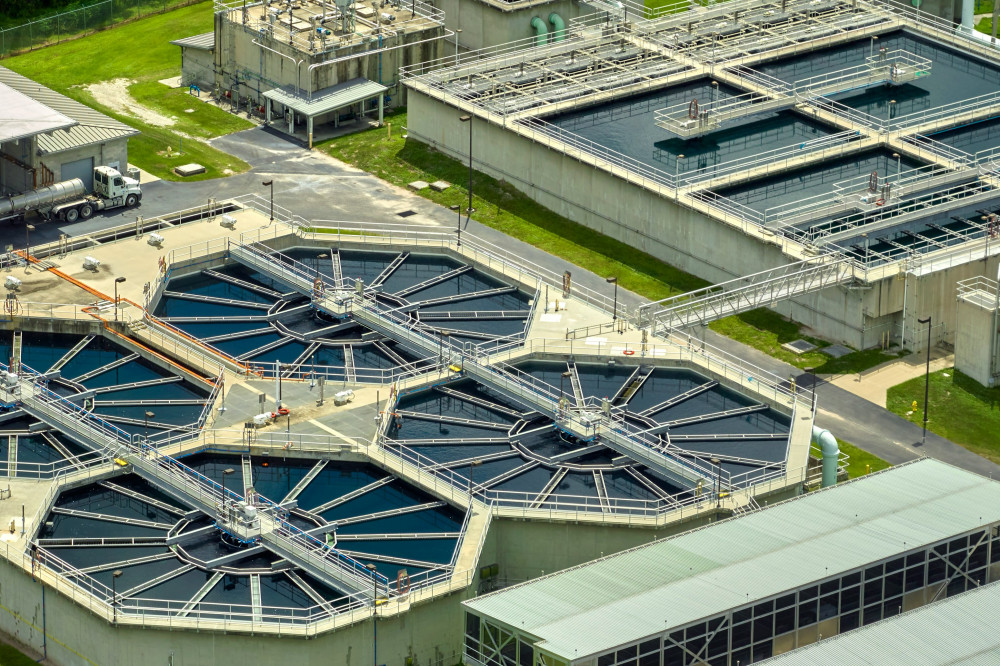
Most U.S. cities have separate systems for stormwater and wastewater. Stormwater systems collect rainwater from streets and properties and carry it to local waterways, while wastewater systems handle sewage from homes and businesses. In older neighborhoods, however, combined systems still exist—where stormwater and sewage share the same pipes. During heavy rain, these systems can overflow, leading to street flooding or even sewage backups.
To reduce these risks, many municipalities are upgrading to separate systems and encouraging property owners to manage more rainwater on-site.
Managing Rainwater on Your Property
Homeowners can play a big role in sustainable stormwater management. The goal is to keep rainwater where it falls, allowing it to soak into the ground rather than rushing into the storm drain. Some effective strategies include:
- Rain gardens – Shallow, planted areas that collect and filter runoff from roofs or driveways.
- Rain barrels or cisterns – Containers that capture roof runoff for later use in watering gardens or lawns.
- Permeable pavements – Driveways or walkways made of materials that let water pass through instead of running off.
- Green roofs – Roof surfaces covered with vegetation that absorb and slow down rainfall.
- Dry wells or infiltration trenches – Underground spaces filled with gravel or stone that allow water to gradually soak into the soil.
These solutions not only reduce flooding risk but also help recharge groundwater and support local ecosystems.
Læs også:
Turning Rainwater into a Resource
Rainwater doesn’t have to be seen as a nuisance—it can be a valuable resource. Collecting rainwater for outdoor use can reduce your water bill and ease demand on municipal water supplies. In some areas, homeowners even install systems that use rainwater for toilet flushing or laundry, though local regulations and plumbing codes must be followed.
By viewing rainwater as something to be managed wisely rather than simply drained away, we can make our homes and communities more resilient and sustainable.
A Shared Responsibility for the Future
Climate change is bringing more frequent and intense rain events across many parts of the United States. This means both cities and homeowners need to rethink how rainwater is handled. What was once considered waste is now recognized as part of a vital natural cycle that deserves careful management.
By understanding the journey of rainwater—from nature to your home site—you can take steps to protect your property, support your community’s infrastructure, and help nature do what it does best: let water find its way.
Læs også: