Adjust Your Bedroom Lighting When You Share the Room

Adjust Your Bedroom Lighting When You Share the Room
When you share a bedroom, lighting isn’t just about style—it’s about comfort, respect, and well-being. Light affects sleep, mood, and the overall atmosphere, and finding a setup that works for two people with different routines can be tricky. Here’s how to create a shared bedroom where the lighting works for both of you.
Create Lighting Zones
A shared bedroom often serves multiple purposes: sleeping, reading, relaxing, maybe even working. That’s why it helps to think in lighting zones, so each person can control their own light without disturbing the other.
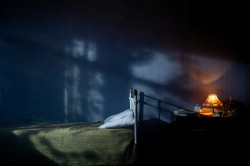
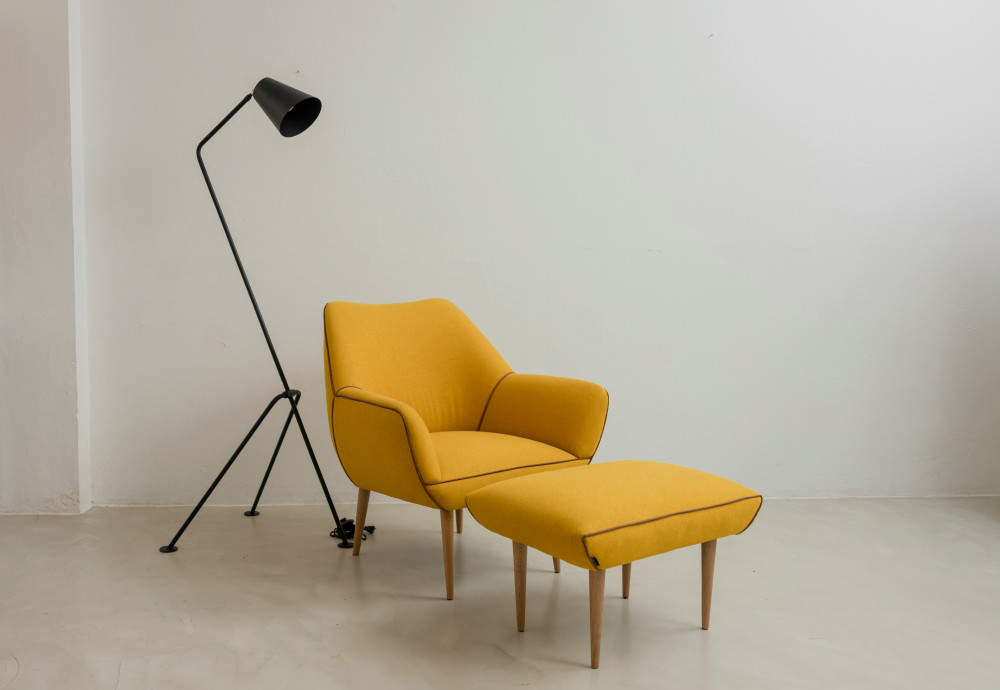
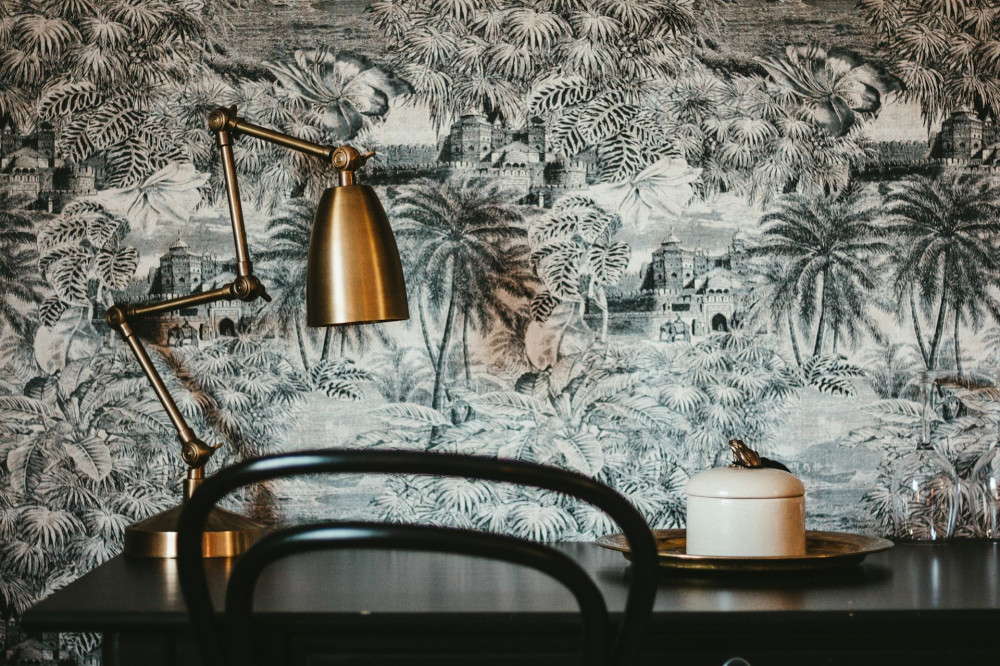
- Bedside reading lights: Choose lamps with adjustable arms and focused beams that illuminate your book, not your partner’s face. A dimmable or directional LED lamp is ideal.
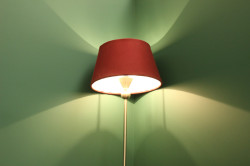
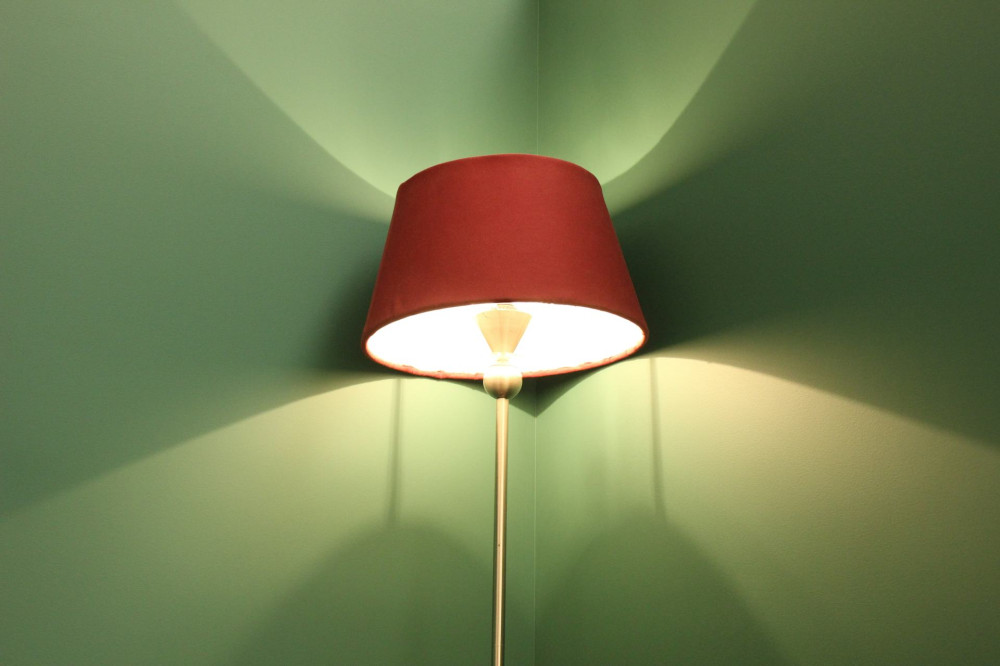
- Soft ambient lighting: A dimmed ceiling fixture or wall sconce can create a calm atmosphere when you’re both awake.
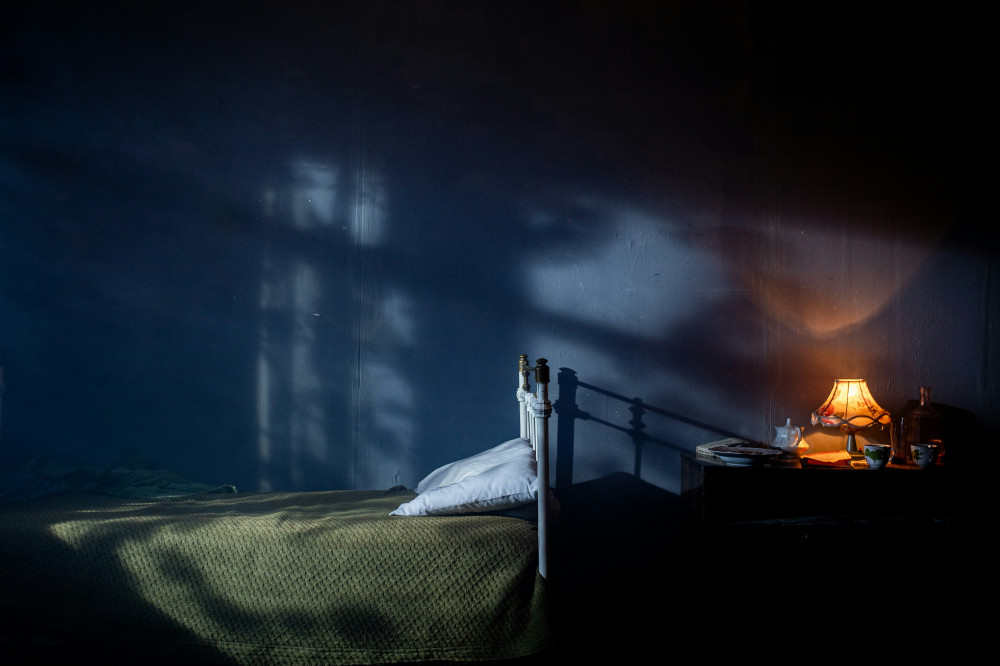
- Indirect lighting: Light behind the headboard or under the bed adds a gentle glow that won’t glare or disrupt sleep.
By dividing the room into zones, you can each have the light you need—without compromising rest.
Læs også:
Respect Different Sleep Schedules
Maybe one of you is an early riser while the other likes to sleep in. In that case, targeted and subtle lighting can make a big difference. Use small night-lights or motion-sensor lamps that turn on softly when someone gets up. That way, you can move around or get dressed without flooding the room with bright light.
It also helps to adjust the color temperature of your bulbs: use warm light (around 2700K) in the evening to signal relaxation, and cooler light (up to 4000K) in the morning to help you wake up. Warm light soothes the body, while cooler tones energize it.
Choose Adjustable Fixtures
Flexibility is key when you share a space. Lamps with dimming options or smart controls let each person fine-tune brightness to their liking. Smart bulbs can even store presets—one tap for “night mode,” another for “morning light.” It’s an easy way to shift the mood without leaving the bed.
Consider fixtures with built-in USB ports or wireless charging pads to keep nightstands tidy and functional. A clutter-free space feels calmer and more balanced.
Pay Attention to Colors and Materials
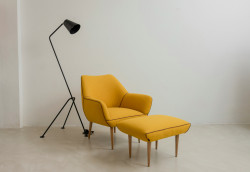
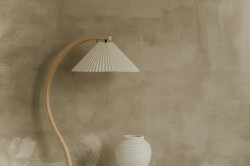
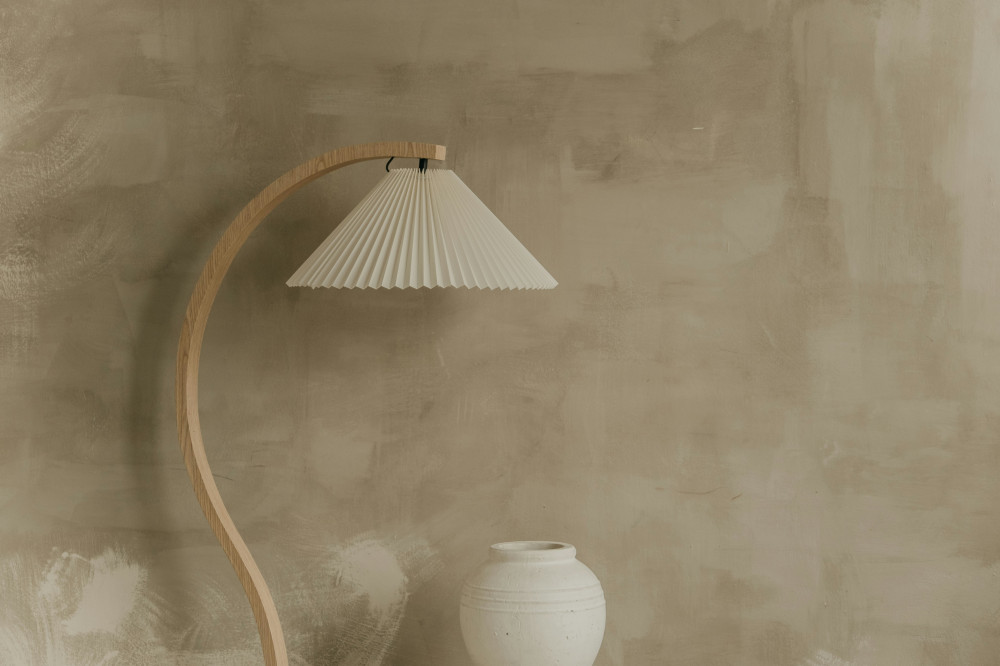
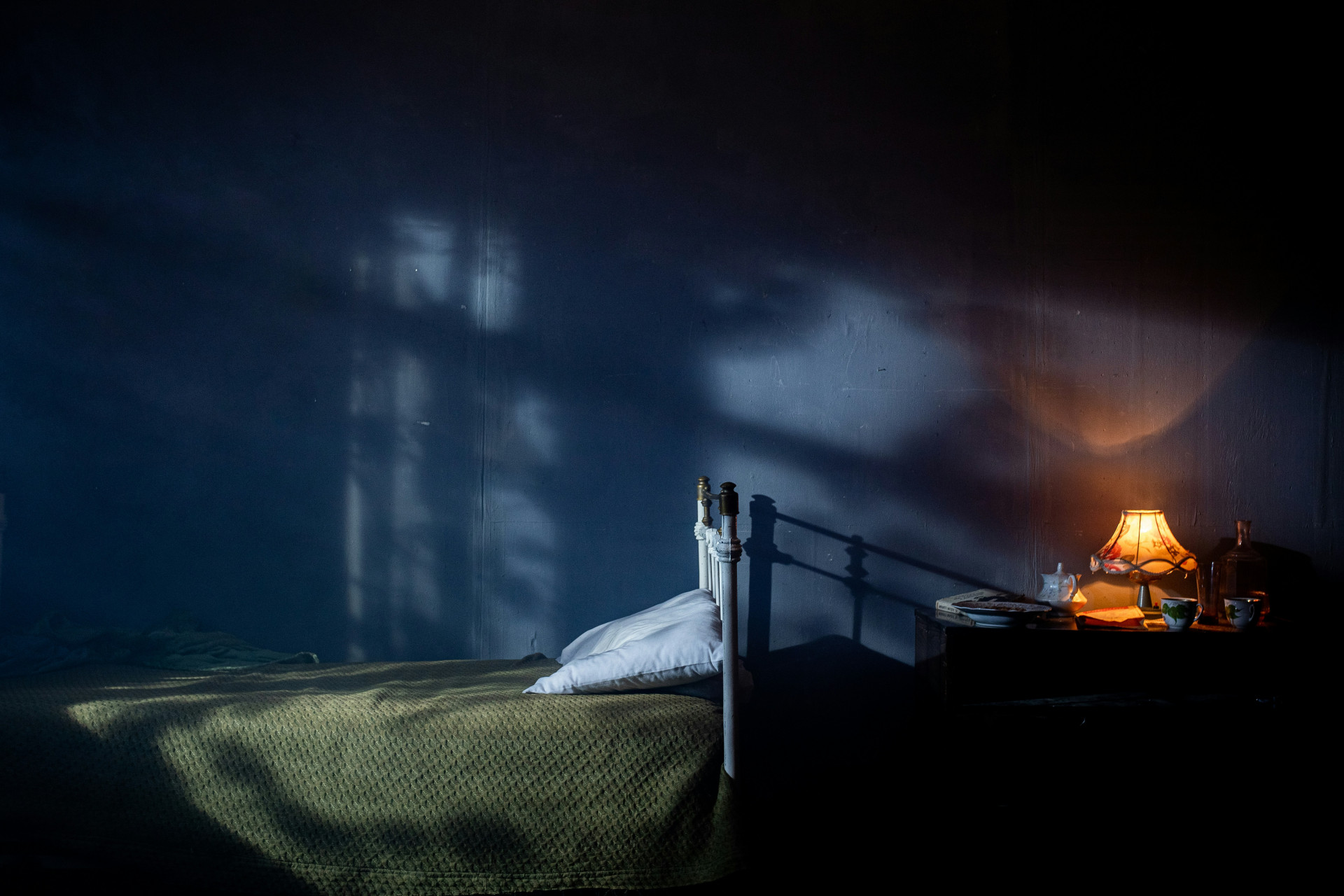
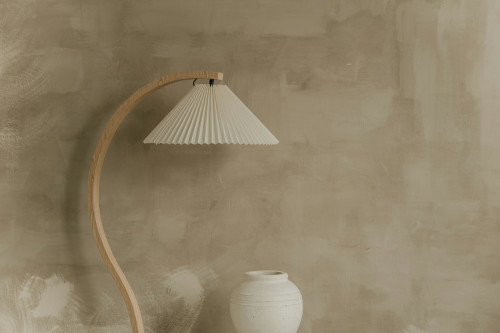
Light doesn’t exist in isolation—it interacts with your surroundings. Dark walls and fabrics absorb light, while lighter surfaces reflect it. If you want a cozy, warm look, go for lamps with brass, wood, or fabric shades that diffuse light softly. For a modern feel, glass and metal work well, but pair them with dimmed bulbs to avoid a harsh or cold effect.
Add Small Touches for Atmosphere
Bedroom lighting is also about creating a mood. A few well-placed lights can make the space more inviting:
- A small lamp on the windowsill adds depth and warmth.
- String lights or LED strips behind curtains or mirrors create a soft, relaxing glow.
- A scented or battery-operated candle can mark the transition from day to night.
It’s not about having lots of lamps—it’s about using light intentionally so the room feels peaceful and personal.
Find Balance Together
When you share a bedroom, communication is key. Some people prefer total darkness, while others like a faint night-light. Experiment and stay open to adjustments. A good compromise might combine functional lighting for daily routines with ambient lighting for relaxation. That way, your bedroom feels both practical and soothing—and supports both of your rhythms.
In the end, adjusting your bedroom lighting is about finding harmony—between light and dark, function and mood, and two people’s needs in one shared space.
Læs også: