Avoid Shadows and Glare: Lighting for Dock Stairs

Avoid Shadows and Glare: Lighting for Dock Stairs
A dock staircase is both practical and inviting—it connects your home to the water and often becomes a favorite gathering spot on summer evenings. But when night falls, lighting can be tricky. Too much light can cause glare and spoil the view, while too little makes the stairs unsafe. Here’s how to illuminate your dock stairs so you avoid shadows and glare—while keeping the calm, natural atmosphere of the waterfront.
Balance Function and Ambience
When planning lighting for dock stairs, it’s all about finding the right balance between safety and aesthetics. The lighting should make it easy to see each step clearly, but it should also enhance the peaceful mood that comes with being near the water.
A good approach is to combine task lighting and ambient lighting. Task lighting ensures visibility and safety, while ambient lighting highlights materials, shapes, and surroundings without overpowering the scene.
Prevent Glare with Smart Placement
Glare happens when a light source is too bright or positioned so it shines directly into your eyes. This can be especially problematic near water, where reflections amplify the effect.
- Install lights low—for example, recessed into the steps or along the handrail. This provides even illumination without shining directly into your eyes.
- Hide the light sources behind edges or under steps so you see only the reflected light.
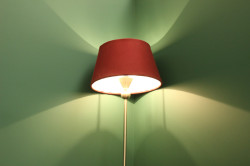
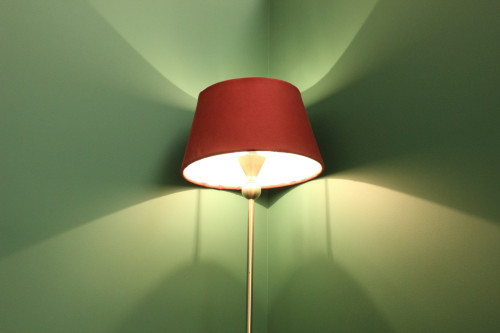
- Use shielded fixtures—lamps with diffusers or shades that soften the light and reduce glare.
A helpful tip: test your lighting at night before final installation. Walk up and down the stairs to check for glare from any angle, then adjust as needed.
Choose the Right Brightness and Color Temperature
Bright, cool light can feel harsh and unnatural by the water. Instead, choose warm white light (around 2700–3000 Kelvin) for a softer, more inviting glow.
Keep brightness moderate—enough to see the steps clearly, but not so strong that it washes out the surroundings. Dimmable LED fixtures are ideal, allowing you to adjust the light level depending on the time of night or the activity.
Læs også:
Pick Materials That Withstand the Elements
Dock stairs are exposed to moisture, salt, and temperature changes, so durability is key.
- Look for fixtures with a high IP rating (at least IP65) to ensure they’re waterproof and dust-resistant.
- Choose marine-grade stainless steel, aluminum, or durable plastic that won’t corrode.
- Make sure wiring and connections are rated for outdoor use and protected from moisture.
Because electricity and water don’t mix, it’s wise to have a licensed electrician handle the installation, especially if wiring runs close to the waterline.
Create a Cohesive Outdoor Lighting Plan
Lighting for your dock stairs should blend seamlessly with the rest of your outdoor lighting—on the deck, walkway, or boathouse. Think in terms of lighting zones, where each area serves a purpose but transitions naturally to the next.
A few subtle lights along the dock edge or small spotlights highlighting nearby plants can create a beautiful, unified look. Avoid over-lighting, though—the darkness is part of what makes the waterfront so peaceful.
Solar or Hardwired?
If you prefer a simple, cable-free setup, solar lights can be a convenient option. They’re easy to install and require no electrical connection. However, they may provide limited brightness and shorter run times, especially on cloudy days.
A hardwired LED system offers more consistent and controllable lighting but requires more planning and professional installation. Consider how often you use the dock and how much light you truly need before deciding.
Lighting That Lets the Night Shine
The best dock lighting is the kind you barely notice. When you avoid shadows and glare, you create a safe, functional, and serene space where both the stairs and the water can shine.
With thoughtful lighting, your dock stairs become more than just a way to reach the water—they become a place to unwind, listen to the waves, and let the gentle glow of light complement the natural rhythm of the night.
Læs også: