Energy-Saving Lighting – Good for Both Your Budget and Everyday Life


Energy-Saving Lighting – Good for Both Your Budget and Everyday Life
Lighting is an essential part of daily life—from the first light in the kitchen each morning to the cozy glow in the living room at night. But few people realize how much of their electricity bill actually goes toward lighting. By switching to energy-saving lighting, you can lower your energy use, cut costs, and create a comfortable atmosphere at home. Here’s a guide to choosing lighting that benefits both your wallet and your everyday life.
Why Choose Energy-Saving Lighting?
Energy-efficient lighting isn’t just about saving money—it’s about using resources more wisely. Modern light sources like LED bulbs use up to 80% less energy than traditional incandescent bulbs and last many times longer. That means fewer replacements, less waste, and a smaller electricity bill.
Technology has also come a long way. Today’s LEDs can reproduce colors and moods that used to be possible only with halogen or incandescent bulbs. You no longer have to sacrifice quality or warmth to save energy.
LED – The Smart Choice
LED bulbs (Light Emitting Diodes) are now the most efficient and versatile lighting option for both homes and businesses. They come in a wide range of shapes, color temperatures, and brightness levels, so you can find the right fit for every room.
- Long lifespan: An LED bulb can last up to 25,000 hours—over 10 years of typical household use.
- Low energy use: LEDs consume about one-fifth the energy of an incandescent bulb with the same brightness.
- Minimal heat output: LEDs stay cool to the touch, making them safer and ideal for enclosed fixtures.
- Environmentally friendly: They contain no mercury and can be recycled as electronic waste.
When shopping for LEDs, check the lumens (brightness) rather than watts. For example, a 60-watt incandescent bulb is roughly equivalent to an 800-lumen LED.
Læs også:

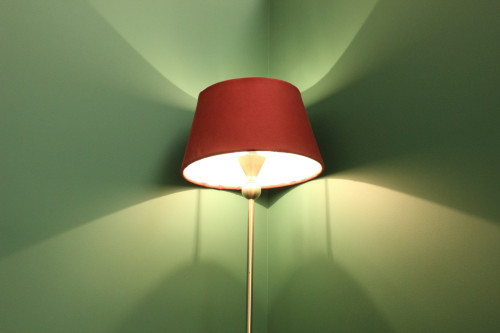
Create the Right Atmosphere with Light
Energy-saving lighting isn’t just about efficiency—it’s also about well-being. Light affects mood, focus, and even sleep patterns. Choosing the right type of light for each space can make a big difference.
- Kitchen and bathroom: Bright, cool white light (around 4000 Kelvin) provides good color accuracy and visibility.
- Living room and bedroom: Warm white light (2700–3000 Kelvin) creates a relaxing, inviting atmosphere.
- Home office or workspace: Neutral white light (3500–4000 Kelvin) helps maintain focus and reduce eye strain.
Many LED bulbs are dimmable, allowing you to adjust brightness as needed. This adds flexibility and can save even more energy.
Smart Solutions for Modern Living
Smart lighting systems make it easier than ever to save energy without sacrificing comfort. With a smartphone app or voice control, you can schedule lights to turn on or off automatically, or adjust brightness and color temperature throughout the day.
Motion sensors and daylight sensors are also great tools for reducing unnecessary energy use. Lights turn on only when needed and switch off automatically when you leave the room.
Getting the Most from Your Lighting
Small changes can make a big difference. Here are a few simple tips to maximize your energy savings:
- Replace old bulbs with LEDs as they burn out.
- Clean lamps and fixtures regularly—dust can reduce light output.
- Use light-colored walls and ceilings to reflect light more effectively.
- Turn off lights in unoccupied rooms—even efficient bulbs use power.
- Layer your lighting with multiple sources instead of one bright fixture for a more comfortable and efficient setup.
An Investment That Pays Off
While LED bulbs may cost a bit more upfront, they quickly pay for themselves through lower energy bills and longer lifespans. For the average U.S. household, switching to LEDs can save hundreds of dollars per year while also reducing your carbon footprint.
Energy-saving lighting is more than just a technical upgrade—it’s an investment in comfort, sustainability, and financial well-being. With today’s wide range of options, it’s easier than ever to create a home that’s bright, welcoming, and energy-smart.
Læs også: