Modern Lamps with Classic Shapes – When New Meets Tradition

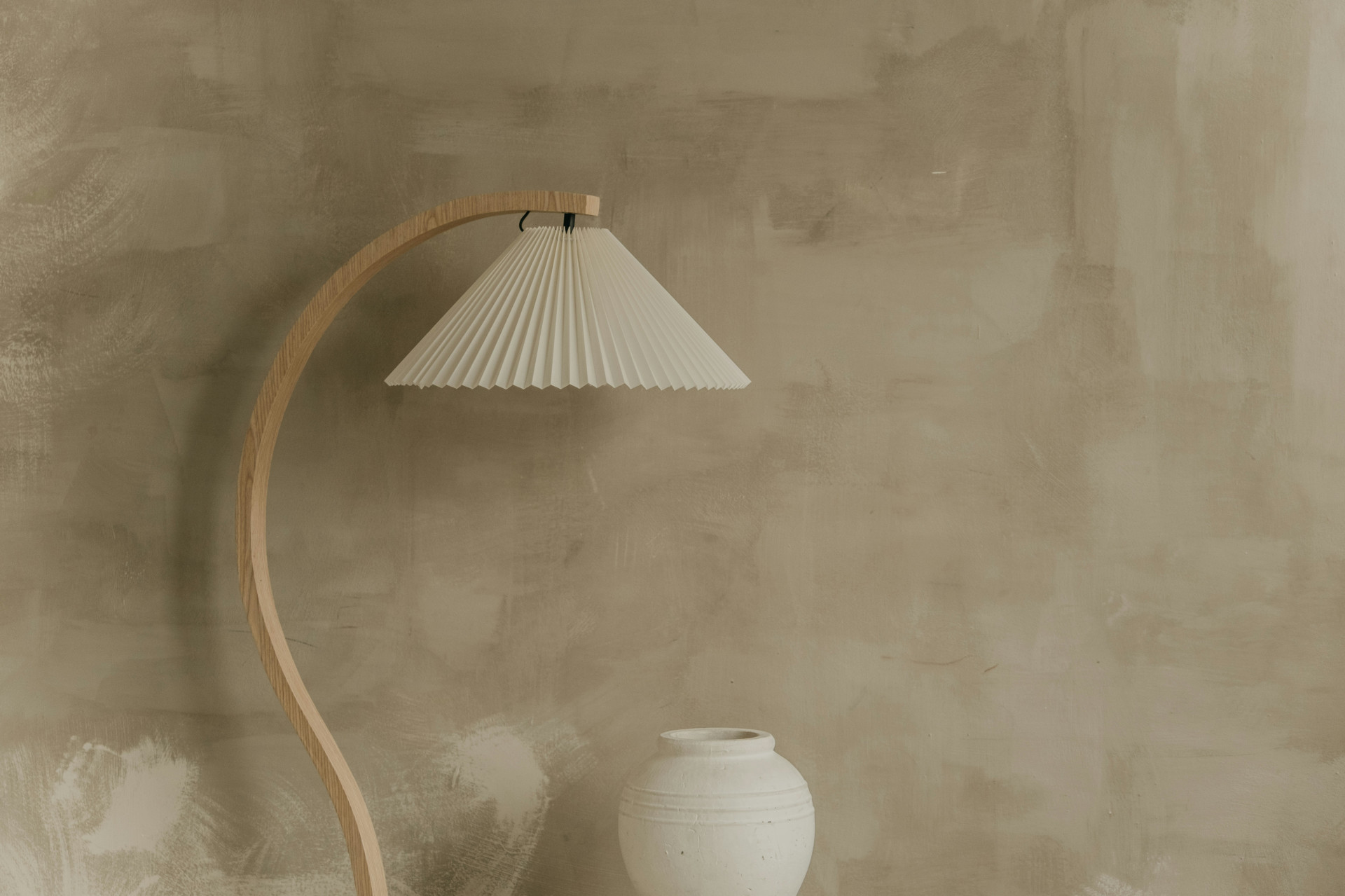
Modern Lamps with Classic Shapes – When New Meets Tradition
In recent years, home design in the United States has embraced a blend of innovation and nostalgia. Nowhere is this more evident than in lighting, where modern technology meets timeless silhouettes. Designers are reimagining the familiar shapes of the past—domes, pendants, and adjustable task lamps—using today’s materials, energy-efficient light sources, and smart features. The result is lighting that feels both contemporary and enduring, perfectly suited for a wide range of interiors.
Classic Forms with a Modern Twist
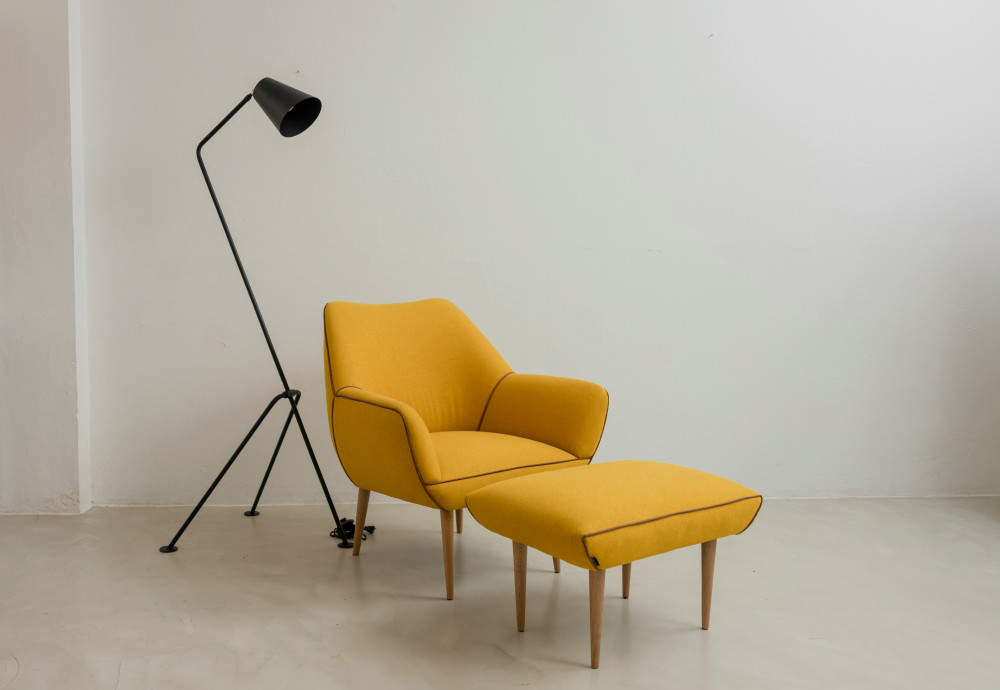
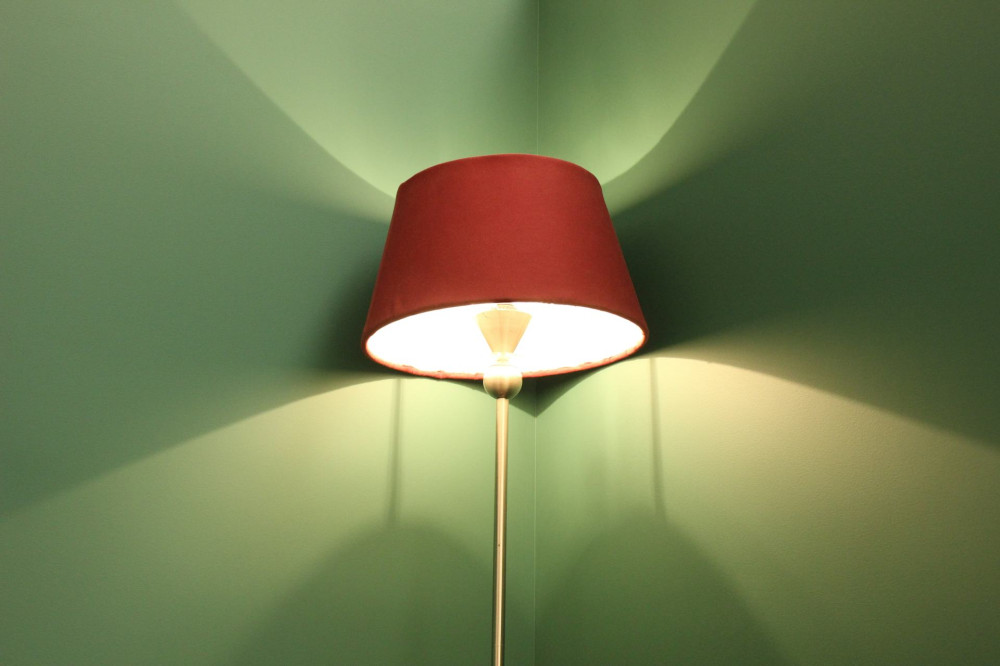
Certain lamp shapes have stood the test of time because they speak to our sense of proportion and comfort. The dome, the cone, and the slender arm of the architect’s lamp all evoke balance and familiarity. When modern designers reinterpret these forms, they often do so with clean lines, matte finishes, and innovative materials such as recycled aluminum, hand-blown glass, or sustainable bioplastics.
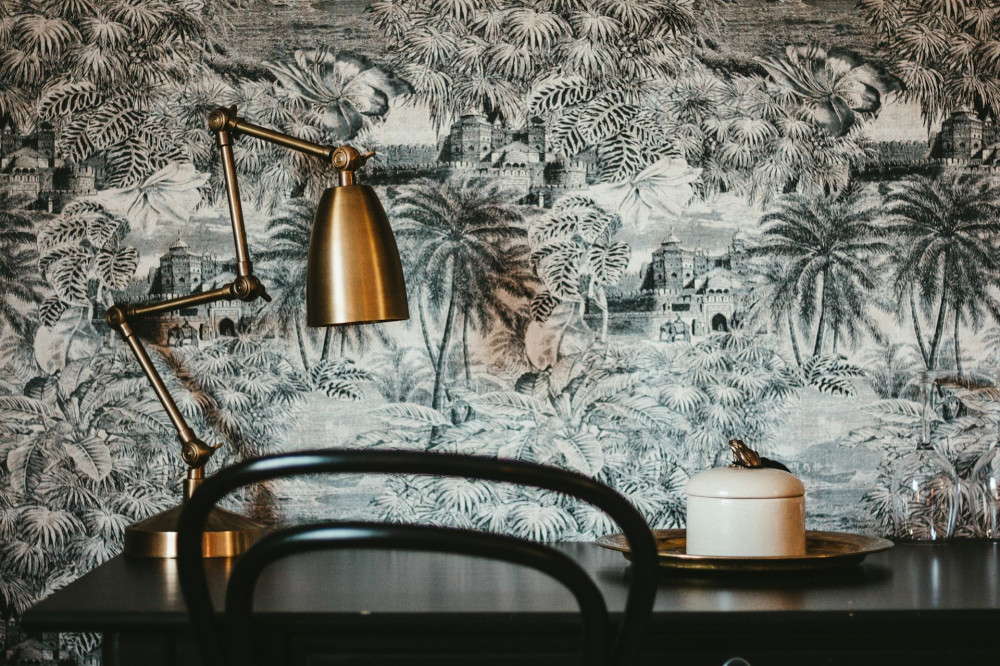
Take, for example, the resurgence of mid-century modern lighting. Brass and opal glass—materials that defined the 1950s—are now paired with LED technology and dimmable features. The result is a warm, adaptable light that combines vintage charm with modern convenience.
Læs også:

Function Meets Aesthetics
Lighting today is about more than illumination—it’s about atmosphere. A lamp should adapt to different needs, from focused task lighting to soft ambient glow, while also serving as a design statement. Many contemporary lamps now include smart controls, wireless dimming, and adjustable color temperatures, allowing homeowners to tailor the light to every moment.
At the same time, there’s a renewed appreciation for craftsmanship and quality. American consumers are increasingly drawn to pieces that are built to last and made responsibly. A well-crafted lamp becomes more than a utility—it’s a piece of functional art that can accompany a home for decades.
Materials That Tell a Story
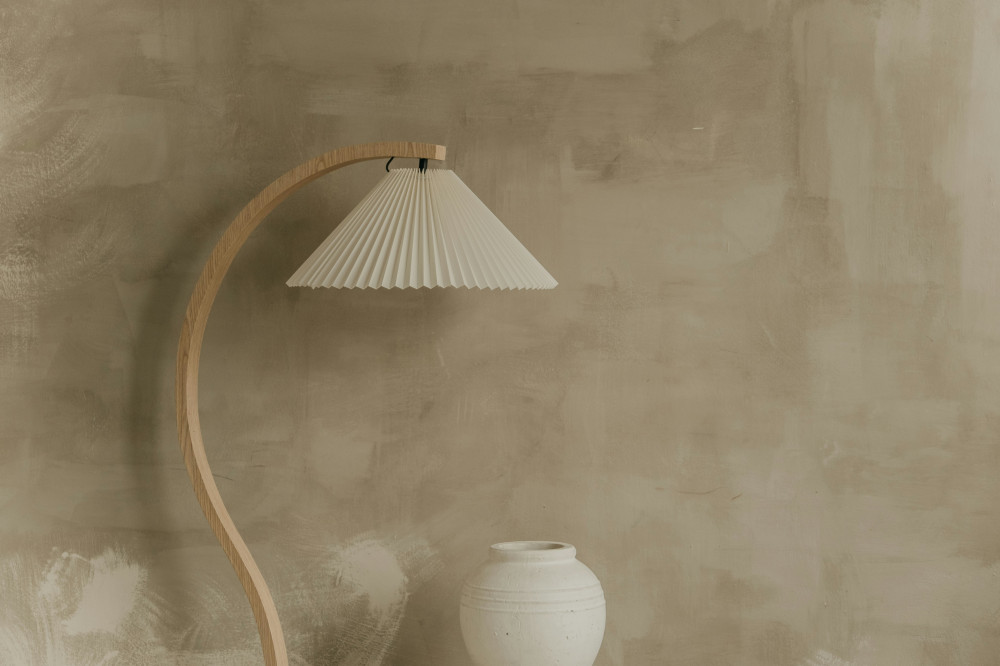
The materials used in modern lighting design play a key role in bridging old and new. Where traditional lamps might have relied on heavy metals or ornate glass, today’s designs often mix natural and industrial elements: wood, ceramic, brushed steel, and linen shades in earthy tones. This combination creates a look that feels both grounded and fresh.
Sustainability is also shaping the conversation. Many U.S. lighting brands now use recycled metals, FSC-certified wood, or locally sourced materials to reduce environmental impact. These choices allow consumers to enjoy classic beauty while supporting responsible production—a balance that resonates with modern values.
Why We Still Love the Classics
There’s something inherently comforting about classic shapes. They bring harmony to a space and complement a variety of styles, from minimalist lofts to traditional farmhouses. Modern reinterpretations of these forms allow for creativity in color, texture, and light intensity, making them versatile for any home.
Classic design acts as an anchor in a world of fast-changing trends. A lamp that honors tradition while embracing innovation offers both style and substance—an enduring piece that feels right at home in any era.
How to Choose the Right Lamp
When selecting a lamp that blends modern and traditional elements, consider the following:
- Shape: Opt for a timeless silhouette, such as a dome, globe, or cylinder.
- Material: Choose quality materials that age gracefully—brass, glass, or natural wood.
- Light Quality: Think about how you’ll use the lamp—task lighting, mood lighting, or both.
- Placement: Give a classic form new life by placing it unexpectedly, like a pendant over a nightstand or a sculptural table lamp on a bookshelf.
By combining classic lines with modern technology, you can create a home that feels both personal and current.
When New Meets Tradition – and Becomes Timeless
Modern lamps with classic shapes prove that design doesn’t have to choose between past and future. Instead, the two can coexist in perfect balance—where function, beauty, and sustainability come together. In that meeting point, lighting becomes more than just a source of illumination; it becomes a reflection of how we live and what we value.
Læs også: