Can the Wall Hold? How to Assess the Need for Masonry Reinforcement

Can the Wall Hold? How to Assess the Need for Masonry Reinforcement
A brick or block wall may look sturdy, but even small cracks or uneven surfaces can signal that the structure is under stress. Over time, masonry is affected by weather, moisture, and foundation movement—and if the load becomes too great, damage can occur that requires reinforcement. But how can you tell if your wall really needs help? Here’s a practical guide to recognizing the signs, understanding the causes, and knowing when to call in a professional.
Step One: Look for Visible Signs
Start with a careful visual inspection, both inside and outside. Pay attention to the following:
- Cracks in the masonry – Diagonal or stair-step cracks around windows and doors often indicate movement in the structure.
- Spalling or crumbling mortar – This can be a sign of water infiltration or freeze-thaw damage that has weakened the bond between bricks.
- Foundation settlement – If bricks no longer line up evenly, the soil beneath your home may have shifted.
- Damp spots or discoloration – Moisture entering through cracks can weaken both the bricks and the mortar.
Take photos and notes of what you find. Tracking changes over time helps determine whether the problem is stable or getting worse.
Understanding the Causes
Once you’ve identified signs of weakness, it’s important to understand what’s behind them. Common causes include:
- Foundation movement – Often due to soil settlement, poor drainage, or changes in groundwater levels.
- Moisture and freeze-thaw cycles – Water that seeps into masonry expands when it freezes, creating internal pressure and cracks.
- Overloading – If a wall is carrying more weight than it was designed for, it can begin to bow or crack.
- Aging materials – Older mortar and bricks naturally lose strength over time, especially if maintenance has been neglected.
Knowing the cause is key to choosing the right solution. A crack caused by moisture requires a different approach than one caused by foundation movement.
When Is Reinforcement Necessary?
Not every crack means your wall is in danger of collapse. Minor surface cracks can often be repaired by repointing or replacing a few bricks. However, reinforcement may be needed if:
- Cracks are widening over time.
- Doors or windows stick because the wall has shifted.
- The wall is bulging or leaning.
- There are clear signs of uneven foundation settlement.
In these cases, contact a structural engineer or a masonry contractor experienced in structural repair. They can determine whether reinforcement is needed—such as steel anchors, helical ties, or grout injection.
Common Reinforcement Methods
There are several ways to strengthen a masonry wall, depending on the type and extent of the damage:
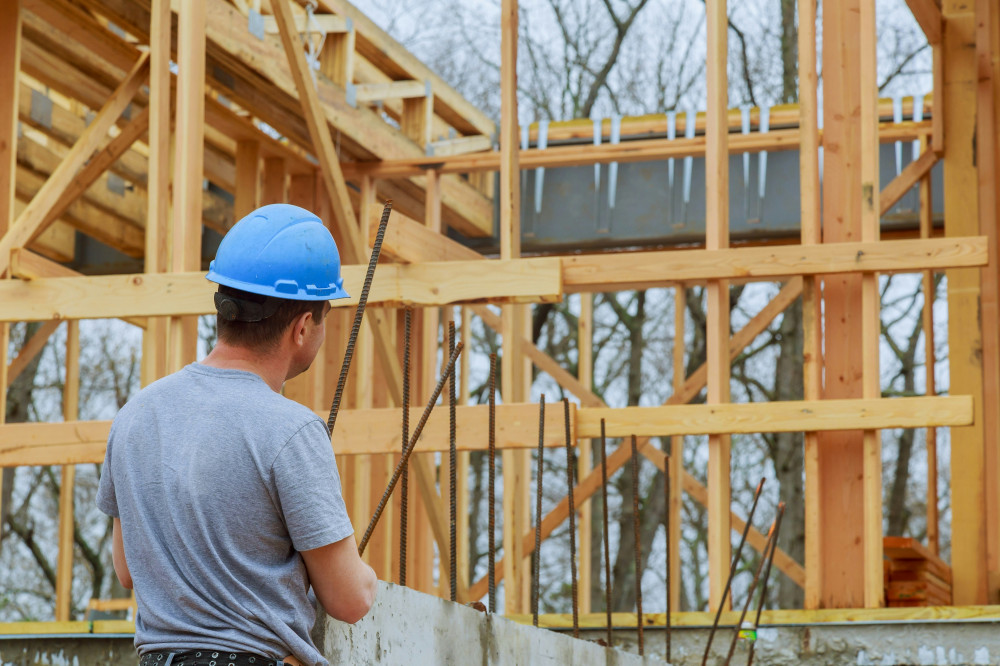
- Embedded reinforcement – Steel rods or mesh can be installed in mortar joints to increase strength and reduce cracking.
- Wall anchors or tie rods – Used to stabilize bowing walls by connecting them to interior framing or plates.
- Grout or epoxy injection – Fills cracks and bonds the masonry back together.
- Brick and mortar replacement – Effective for localized damage where only a few areas are affected.
A professional can recommend the best method for your situation and may also suggest improving drainage or foundation support to prevent future issues.
Læs også:

Preventing Future Problems
Once your wall is stabilized, prevention is key to keeping it that way. Here are some practical tips:
- Make sure gutters and downspouts direct water away from the foundation.
- Inspect mortar joints regularly and repair them before they deteriorate.
- Avoid planting large trees too close to the house—roots can disturb the foundation.
- Check for cracks after severe weather or heavy rainfall.
Preventive maintenance is almost always cheaper than repair, and a well-maintained wall can last for generations.
When to Call a Professional
If you’re unsure how serious the damage is, don’t guess—get an expert opinion. A licensed structural engineer or qualified masonry contractor can measure wall movement, assess moisture conditions, and provide a clear plan for repair or reinforcement. This can save you both worry and unnecessary expense.
A Strong Wall Means a Strong Home
Your masonry walls are among the most important structural elements of your home. Keeping an eye on them and addressing issues early is an investment in safety and value. With proper assessment, maintenance, and reinforcement when needed, your walls can continue to stand strong for decades to come.
Læs også: