Uneven Exterior After Cleaning? Here’s How to Fix It

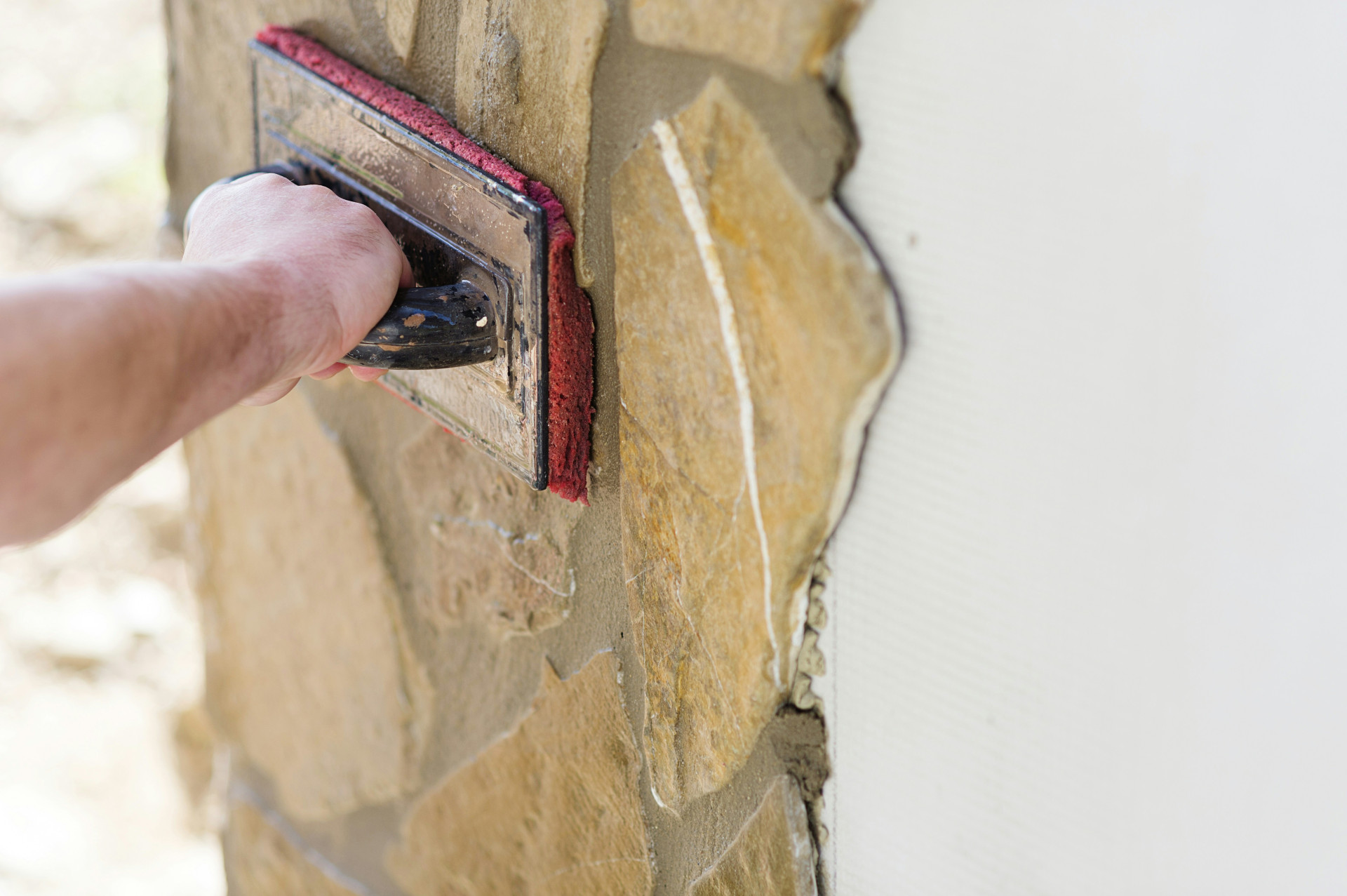
Uneven Exterior After Cleaning? Here’s How to Fix It
When you’ve just had your home’s exterior cleaned, you expect a fresh, even finish. But sometimes, once the job is done, you notice blotches, streaks, or dull patches that make the surface look uneven. It can be disappointing—especially after investing time and money into improving your home’s curb appeal. The good news is that uneven results are often fixable once you understand what caused them and how to address them. Here’s a guide to getting your exterior back to a smooth, consistent look.
Why Does the Exterior Look Uneven?
There are several reasons your siding, brick, or stucco might appear uneven after cleaning:
- Uneven cleaning technique: If the pressure, detergent, or water flow wasn’t applied evenly, some areas may have been cleaned more thoroughly than others.
- Different material absorption: Older bricks, stucco, or wood can vary in porosity and color, which becomes more noticeable once dirt and mildew are removed.
- Residue left behind: If the surface wasn’t rinsed properly, leftover cleaning solution or grime can leave streaks or patches.
- Surface damage: Cracks, chips, or porous areas can absorb more moisture and appear darker after cleaning.
Identifying the cause is the first step toward finding the right fix.
Give It Time to Dry
Right after cleaning, your exterior may look more uneven than it really is. Most materials—especially brick, stucco, and wood—absorb moisture during washing. It can take several days, sometimes even a week or two, for everything to dry completely. Before you decide that something went wrong, wait at least a week and check again. As the surface dries, colors often even out and the natural tone returns.
Post-Treatment Options: Sealing and Color Balancing
If the surface still looks patchy after drying, a sealant or color-balancing treatment can help. A high-quality, breathable masonry sealer (such as a silane- or siloxane-based product) protects against moisture and can create a more uniform appearance.
For very porous or discolored surfaces, consider a tinted sealer or mineral-based coating designed for exterior use. These products can even out color variations without trapping moisture inside the wall.
Always follow the manufacturer’s instructions carefully and choose products suited to your specific material—brick, stucco, concrete, or siding.
Repair Any Damage First
If the unevenness is caused by damage rather than cleaning, surface treatments alone won’t solve the problem. Inspect your exterior for:
- Cracked mortar joints – Repoint or refill them to prevent water intrusion.
- Chipped or spalled bricks or stucco – Replace or patch damaged areas.
- Efflorescence (white salt deposits) – Brush it off gently and address the underlying moisture issue.
Once repairs are complete, you can reassess whether a light cleaning or color-balancing treatment is needed to achieve a consistent finish.
Læs også:

How to Prevent Uneven Results Next Time
Prevention is always easier than correction. If you’re planning another exterior cleaning, keep these tips in mind:
- Hire a qualified professional experienced with your type of exterior material.
- Test the cleaning method on a small, inconspicuous area first.
- Avoid excessive pressure—high PSI can damage surfaces and cause uneven results.
- Rinse thoroughly to remove all detergent or chemical residue.
- Consider applying a protective sealer afterward to help repel dirt and moisture.
A careful, even cleaning process will give you the best and longest-lasting results.
When the Problem Persists
If you’ve tried these steps and the surface still looks uneven, it may be time to consult a building or exterior specialist. Persistent discoloration can sometimes point to deeper issues such as trapped moisture, incompatible materials, or previous coatings. A professional can diagnose the cause and recommend the best long-term solution—such as resurfacing, mineral paint, or a breathable coating system.
Patience Pays Off
An uneven exterior after cleaning doesn’t necessarily mean the job went wrong. Often, it’s just a matter of moisture, time, and the right follow-up treatment. With a little patience and proper care, you can restore your home’s exterior to a clean, even, and durable finish that lasts for years to come.
Læs også: