Masonry with Care: Reduce Material Waste

Masonry with Care: Reduce Material Waste
Brick, mortar, and concrete are the backbone of countless American homes and buildings—but they also represent significant use of energy and natural resources. Reducing material waste in masonry isn’t just good for the planet; it’s also good for your wallet. Whether you’re a professional mason or a weekend DIYer, a few thoughtful choices in planning, purchasing, and execution can make a big difference.
Careful Planning Prevents Waste
Most waste happens before the first brick is laid. Accurate planning helps ensure you buy and use only what you need. Start by measuring carefully and calculating the exact number of bricks, bags of mortar, and cubic yards of concrete required. Many U.S. suppliers and home improvement stores offer online calculators to help estimate quantities.
Think through your layout before you start. By planning your bond pattern and brick courses in advance, you can often minimize cuts and use full bricks instead of halves. This not only reduces waste but also saves time during installation.
Læs også:

Buy Smart and Use What You Have
It’s tempting to overbuy “just in case,” but excess materials often end up as waste. Instead, purchase conservatively and reorder if needed—most suppliers in the U.S. can deliver quickly. Keeping smaller inventories also reduces the risk of materials being damaged or exposed to moisture.
If you do have leftovers, put them to good use. Extra bricks can become garden borders, fire pits, or decorative walkways. Unused dry mortar or cement can be stored in a sealed container for future projects, while hardened material can be crushed and used as base fill for driveways or patios.
Precision Saves Time and Materials
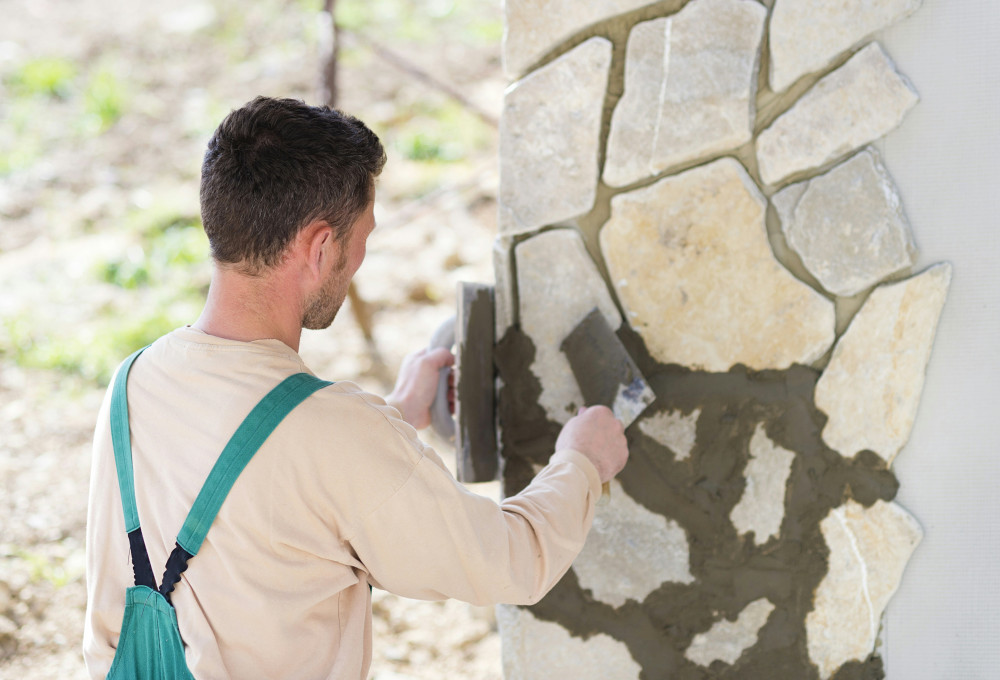
A clean, precise job means less rework and less waste. Make sure your base is level and that you’re applying the right amount of mortar. Thicker joints don’t necessarily make a stronger wall—they can actually lead to cracking and repairs later on.
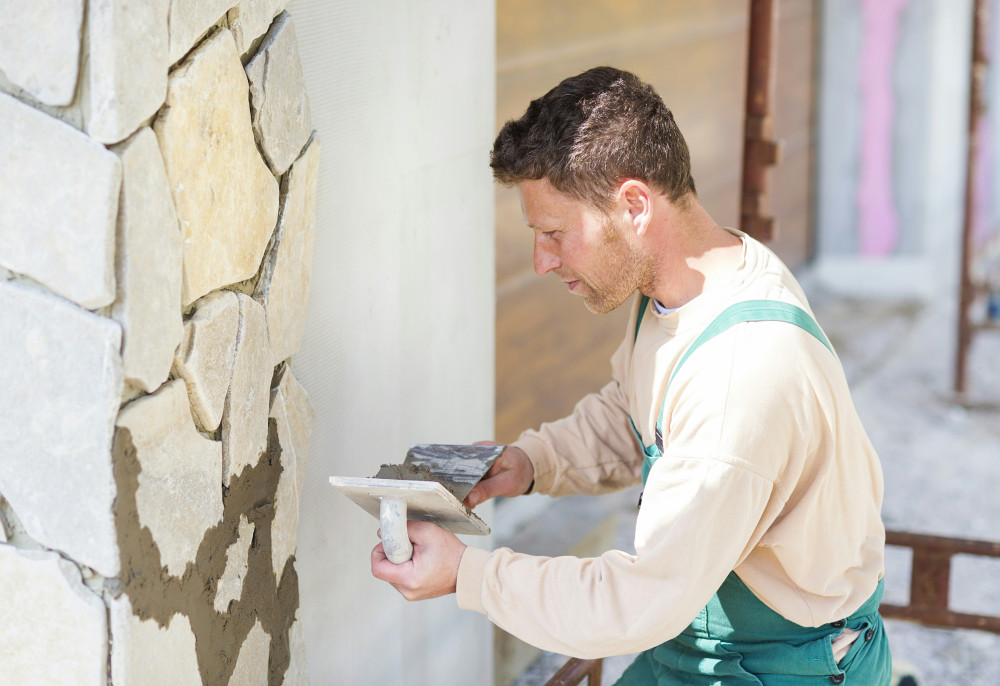
Keep your tools clean and in good condition. A trowel or mixing bucket that isn’t scraped properly can waste pounds of mortar over the course of a project. Small habits like these add up to big savings.
Reuse and Recycle Masonry Materials
Brick is one of the most reusable building materials available. When demolishing or remodeling, many bricks can be cleaned and reused in new walls, garden features, or accent projects. It takes a bit of effort, but the results are both sustainable and visually appealing.
Crushed masonry can also serve as a stable base for driveways, walkways, or drainage layers. Instead of sending debris to a landfill, you can give it a second life in your next project.
Choose Sustainable Materials from the Start
When selecting materials, consider their environmental impact. Many U.S. manufacturers now offer bricks and mortars made with recycled content or lower carbon emissions. Choosing these products supports a more sustainable construction industry.
Durability also matters. A well-built brick wall that lasts for generations is inherently sustainable—it reduces the need for repairs and replacements, saving resources over time. Quality craftsmanship is an investment that pays off in both longevity and environmental benefit.
Small Steps, Big Impact
Reducing waste in masonry doesn’t require a complete overhaul of your process. It’s about making mindful decisions at every stage—planning carefully, buying wisely, working precisely, and reusing whenever possible. These small steps reflect true craftsmanship and contribute to a more sustainable future for American building.
Læs også: